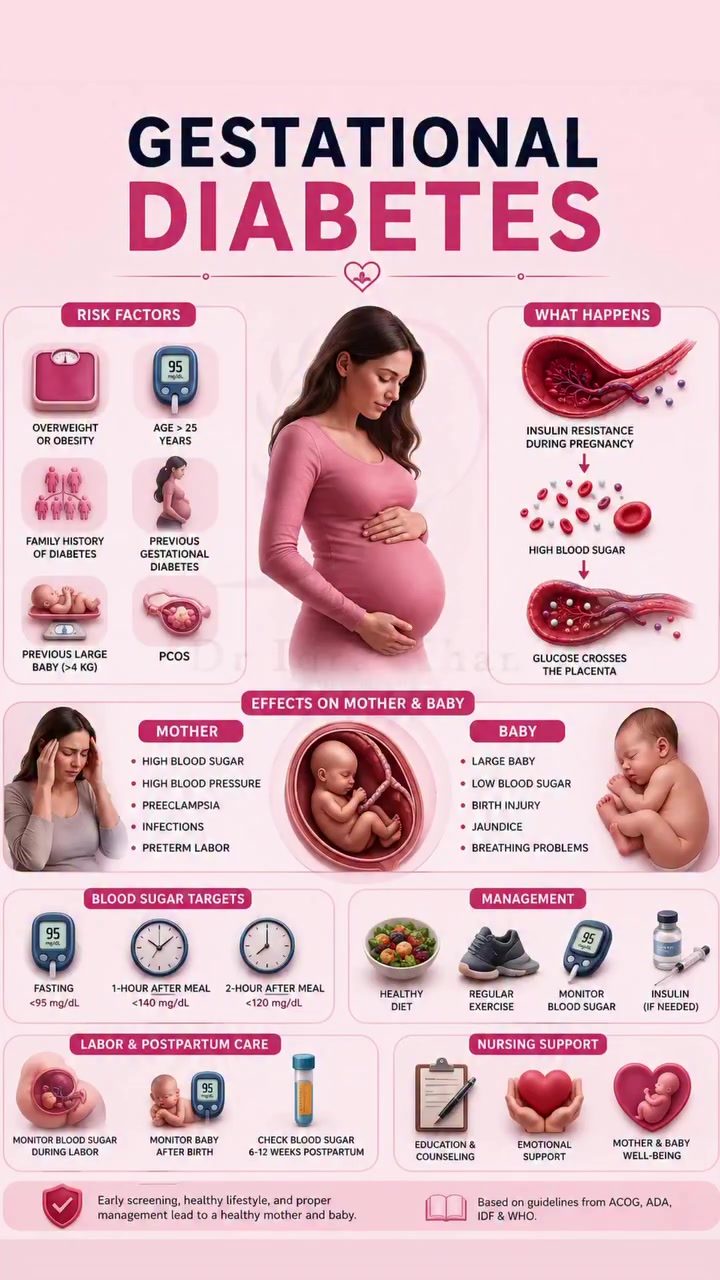
Gestational Diabetes: Understanding and Managing a Common Pregnancy Condition
Gestational diabetes is a type of diabetes that develops during pregnancy, typically around the 24th week. It affects up to 10% of pregnancies and is a significant health concern for both the mother and the developing baby. Unlike other forms of diabetes, gestational diabetes usually resolves after delivery, but it increases the risk of developing type 2 diabetes later in life.
Why This Matters
Gestational diabetes often goes unnoticed because it may not cause any obvious symptoms. Regular screening is crucial for early detection and proper management. Understanding the condition, its risk factors, and management strategies is essential for promoting a healthy pregnancy and reducing potential complications.
Risk Factors for Gestational Diabetes
Several factors can increase the likelihood of developing gestational diabetes. These include:
- Overweight or Obesity: Excess weight can make it harder for the body to use insulin effectively.
- Age: Women over 25 are at a higher risk.
- Family History of Diabetes: A history of diabetes in the family increases the risk.
- Previous Large Baby: Having a previous baby weighing over 4 kg (8 pounds, 13 ounces) indicates a higher risk.
- Previous Gestational Diabetes: If you had gestational diabetes in a previous pregnancy, you are more likely to develop it again.
- Polycystic Ovary Syndrome (PCOS): This condition can also increase the risk.
Insulin resistance during pregnancy can also contribute to the development of gestational diabetes. During pregnancy, the placenta produces hormones that can make it harder for the body to use insulin. This hormonal change can lead to higher blood sugar levels, which, if left unmanaged, can cross the placenta and affect the baby.
What Happens During Gestational Diabetes
Gestational diabetes can have several effects on both the mother and the baby. High blood sugar levels can cross the placenta, leading to excess glucose in the baby's blood. This can result in:
- Excessive Growth: The baby may grow larger than average, which can lead to complications during delivery.
- Low Blood Sugar: After birth, the baby may experience low blood sugar levels (hypoglycemia).
- Respiratory Distress: Babies born to mothers with gestational diabetes may have respiratory problems.
- Jaundice: High bilirubin levels can cause jaundice in newborns.
Blood Sugar Targets and Monitoring
Maintaining healthy blood sugar levels is crucial for both the mother and the baby. The following blood sugar targets are generally recommended:
- Fasting: Less than 95 mg/dL
- One Hour After Meal: Less than 140 mg/dL
- Two Hours After Meal: Less than 120 mg/dL
Monitoring blood sugar levels is an essential part of managing gestational diabetes. Regular checks can help ensure that blood sugar levels stay within the target range. It's also important to monitor blood sugar levels during labor and delivery, as well as 6-12 weeks postpartum. Early postpartum monitoring can help detect any lingering issues and provide timely intervention.
Managing Gestational Diabetes
Effective management of gestational diabetes involves a combination of lifestyle changes and medical interventions. Key strategies include:
- Healthy Diet: Eating a balanced diet rich in fruits, vegetables, whole grains, and lean proteins can help manage blood sugar levels. It's essential to limit processed foods, sugary beverages, and excessive carbohydrates.
- Regular Exercise: Staying physically active can improve insulin sensitivity and help manage blood sugar levels. Aim for at least 30 minutes of moderate-intensity exercise most days of the week.
- Monitoring Blood Sugar: Regularly checking blood sugar levels can help ensure that they stay within the target range. This may involve testing before and after meals, as well as at other times as advised by a healthcare provider.
- Insulin (If Needed): In some cases, diet and exercise may not be enough to control blood sugar levels, and insulin therapy may be necessary. Insulin is safe to use during pregnancy and can help manage blood sugar levels effectively.
Labor and Postpartum Care
Proper management of gestational diabetes doesn't end with delivery. It's essential to monitor blood sugar levels during labor and delivery, as well as in the postpartum period. Key considerations include:
- During Labor: Monitoring blood sugar levels during labor can help ensure that both the mother and the baby remain healthy. Insulin therapy may be continued if needed.
- Postpartum Care: Checking blood sugar levels 6-12 weeks after delivery can help detect any lingering issues. Education and counseling can provide support and emotional well-being during this transition.
- Long-Term Care: Gestational diabetes increases the risk of developing type 2 diabetes later in life. Regular follow-ups and a healthy lifestyle can help reduce this risk.
Practical Tips for Managing Gestational Diabetes
Managing gestational diabetes involves a combination of lifestyle changes and medical interventions. Here are some practical tips to help you stay on track:
- Meal Planning: Work with a registered dietitian to create a meal plan that supports healthy blood sugar levels. Focus on portion control, balanced meals, and regular meal times.
- Stay Active: Incorporate regular physical activity into your routine. Walking, swimming, and prenatal yoga are excellent options. Always consult your healthcare provider before starting a new exercise program.
- Stay Hydrated: Drink plenty of water to support overall health and help manage blood sugar levels.
- Monitor Blood Sugar: Follow your healthcare provider's advice for monitoring blood sugar levels. Keep a log of your readings to track patterns and discuss any concerns with your provider.
- Attend Prenatal Check-ups: Regular prenatal check-ups can help monitor your health and the baby's development. Attend all scheduled appointments and follow your provider's recommendations.
- Seek Support: Join support groups or online communities for women with gestational diabetes. Sharing experiences and advice can be incredibly helpful and reassuring.
Important Takeaways
Early screening, a healthy lifestyle, and proper management are key to a healthy outcome for both the mother and the baby. Gestational diabetes can be managed effectively with a combination of diet, exercise, and medical interventions. Regular monitoring, education, and emotional support are essential for a successful outcome. Remember, gestational diabetes usually resolves after delivery, but it increases the risk of developing type 2 diabetes later in life.
Conclusion
Gestational diabetes is a common condition that can affect pregnancy without noticeable symptoms. Understanding the risk factors, monitoring blood sugar levels, and adopting a healthy lifestyle can help manage the condition effectively. By working closely with healthcare providers and following a comprehensive management plan, women with gestational diabetes can have a healthy pregnancy and minimize potential complications. Proper postpartum care and ongoing follow-ups are essential for long-term health and well-being.
Watch the Reel
Questions readers ask
What are the common symptoms of gestational diabetes?
Gestational diabetes often has no noticeable symptoms, making regular screening vital. However, some women may experience increased thirst, frequent urination, fatigue, or blurred vision. If you notice these signs, consult your healthcare provider for further evaluation.
How is gestational diabetes typically managed during pregnancy?
Managing gestational diabetes involves a combination of monitoring blood sugar levels, maintaining a balanced diet, and engaging in regular physical activity. Your healthcare provider may recommend a low-glycemic diet, and in some cases, medication or insulin therapy might be necessary to control blood sugar levels.
What are the key steps in postpartum care for women who had gestational diabetes?
Postpartum care for women with gestational diabetes includes regular blood sugar monitoring and follow-up appointments with a healthcare provider to track the resolution of the condition. It is also essential to maintain a healthy lifestyle, including a balanced diet and regular exercise, to reduce the risk of developing type 2 diabetes in the future. Breastfeeding can also help improve blood sugar control.
What are the risk factors for developing gestational diabetes?
Several factors increase the risk of developing gestational diabetes, including a family history of diabetes, obesity, a sedentary lifestyle, and a previous pregnancy with gestational diabetes. Additionally, certain ethnicities, such as African, Hispanic, and Asian, have a higher risk. Regular screening can help identify the condition early.
How is gestational diabetes typically screened during pregnancy?
Gestational diabetes is usually screened between 24 and 28 weeks of pregnancy using a glucose challenge test. This involves drinking a glucose solution and having blood tests to measure blood sugar levels. If the results are abnormal, a follow-up glucose tolerance test may be required for a definitive diagnosis.
How does gestational diabetes affect labor and delivery?
Gestational diabetes can complicate labor and delivery by increasing the risk of preterm birth, cesarean delivery, and the development of high blood pressure in the mother. Additionally, babies born to mothers with gestational diabetes may be at risk for shoulder dystocia, which occurs when the baby's shoulder gets stuck during delivery. Managing blood sugar levels and working closely with healthcare providers can help mitigate these risks.
Recent articles
Fresh deep dives from the latest Reels we unpacked.




Comments
Be the first to comment.