Renewable Energy in Germany
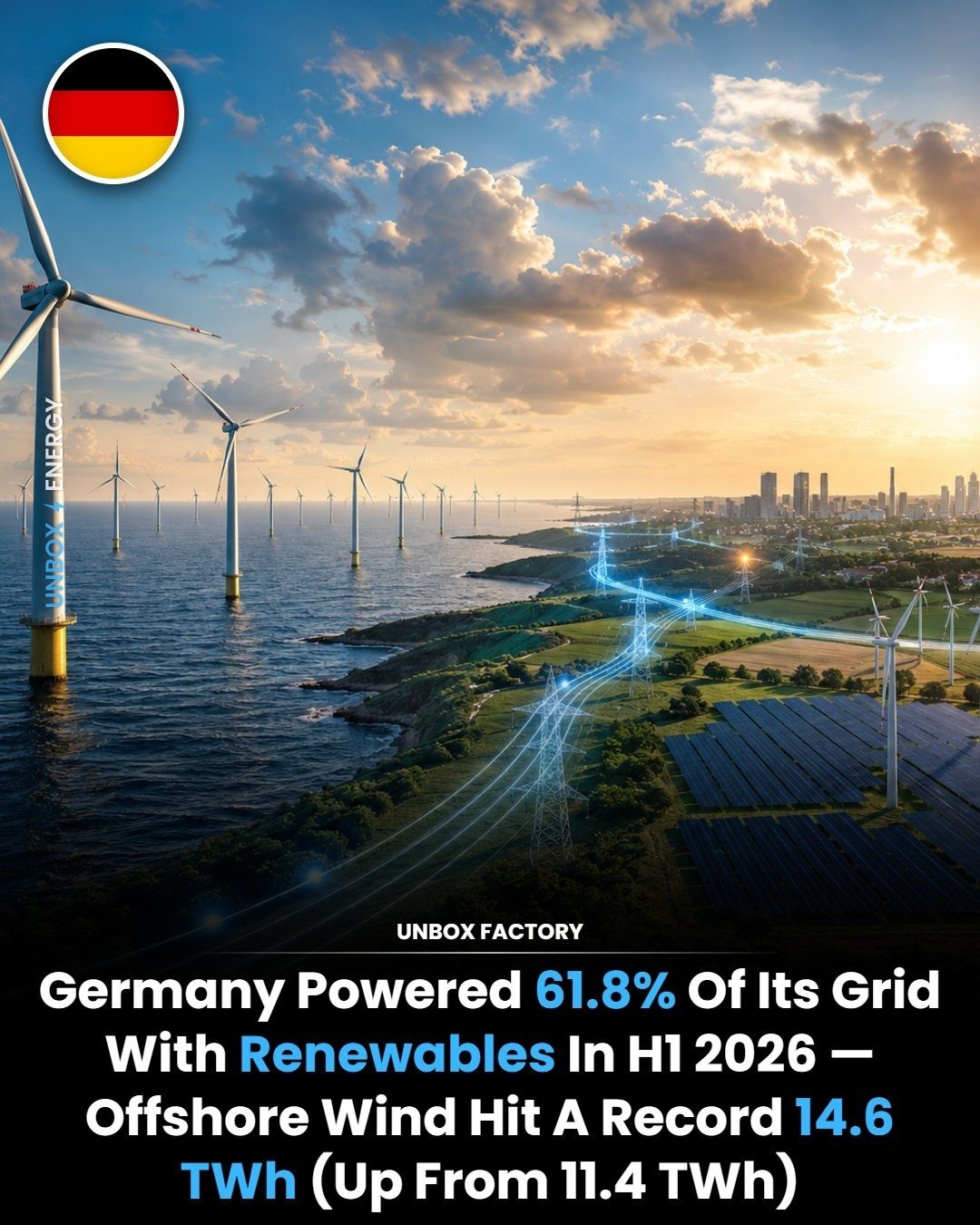
Germany's commitment to renewable energy has reached new heights, with the country generating 61.8% of its electricity from renewable sources during the first half of 2026. This significant milestone underscores Europe's ongoing transition to clean energy and positions Germany as a global leader in sustainable power generation.
Germany's renewable energy sector has seen remarkable growth, particularly in offshore wind power. Offshore wind farms produced a record 14.6 terawatt-hours (TWh) of electricity, a substantial increase from 11.4 TWh during the same period in the previous year. This surge in offshore wind power is part of a broader expansion of renewable energy sources, including solar and onshore wind, which continue to grow rapidly.
Why This Matters
Germany's achievements in renewable energy are not just impressive statistics; they represent a critical step towards a sustainable future. By reducing dependence on fossil fuels, Germany is setting a benchmark for other countries aiming to transition to cleaner energy sources. This shift is crucial for mitigating climate change and ensuring energy security.
Germany's Renewable Energy Landscape
Offshore Wind Power
Offshore wind power has been a cornerstone of Germany's renewable energy strategy. The record 14.6 TWh generated in the first half of 2026 highlights the effectiveness of Germany's investments in this sector. Offshore wind farms are strategically located to harness the powerful and consistent winds over the sea, making them a reliable source of electricity. The rapid expansion of offshore wind capacity is a testament to Germany's commitment to leveraging this resource for clean energy production.
Solar and Onshore Wind
In addition to offshore wind, solar and onshore wind energy have seen significant growth. Solar panels and onshore wind turbines are becoming more efficient and cost-effective, contributing to the overall increase in renewable energy generation. These sources are crucial for diversifying Germany's energy mix and ensuring a stable supply of clean energy.
Battery Storage and Hydrogen
Germany is also investing heavily in battery storage and hydrogen technology. These technologies are essential for storing excess energy generated from renewable sources, ensuring a steady supply even when wind and solar conditions are not optimal. Battery storage systems and hydrogen fuel cells provide the flexibility needed to integrate renewable energy into the national grid effectively.
Transmission Infrastructure
A robust electricity transmission infrastructure is vital for distributing renewable energy across the country. Germany has been upgrading its transmission networks to accommodate the increased generation from renewable sources. This infrastructure is designed to efficiently transport electricity from remote generation sites, such as offshore wind farms, to urban and industrial areas where demand is highest.
Practical Tips for Supporting Renewable Energy
Individual Actions
Individuals can play a significant role in supporting renewable energy. Simple actions like reducing energy consumption, switching to renewable energy suppliers, and investing in solar panels or small wind turbines can make a difference. Community initiatives and local renewable energy projects also offer opportunities for collective action.
Policy and Advocacy
Advocating for policies that promote renewable energy is crucial. This includes supporting legislation that incentivizes renewable energy development, such as feed-in tariffs and tax credits. Engaging with local and national governments to push for ambitious climate policies can drive significant progress in the transition to renewable energy.
Important Takeaways
Germany's achievement of generating 61.8% of its electricity from renewable sources in the first half of 2026 is a remarkable milestone. This success is driven by significant investments in offshore wind, solar, onshore wind, battery storage, hydrogen, and transmission infrastructure. The country's commitment to reducing dependence on fossil fuels and increasing the share of renewable energy in its grid sets a global standard for sustainable energy practices.
The role of Offshore Wind
Offshore wind power has been a particular standout, with a record 14.6 TWh generated in the first half of 2026. This achievement underscores the potential of offshore wind as a reliable and scalable source of clean energy.
The Importance of Diversification
The rapid expansion of solar and onshore wind energy, along with advancements in battery storage and hydrogen technology, highlights the importance of diversification in renewable energy sources. This diversification ensures a stable and continuous supply of clean energy, even during periods of low wind or solar generation.
The Need for Continued Investment
Continued investment in renewable energy infrastructure is essential for achieving Germany's goal of producing 80% of its electricity from renewable sources by 2030. This includes not only the generation capacity but also the storage, transmission, and distribution systems that support it.
Conclusion
Germany's leadership in renewable energy serves as an inspiring example for the rest of the world. By achieving 61.8% renewable energy generation in the first half of 2026 and setting ambitious targets for the future, Germany is paving the way for a sustainable energy transition. Through continued investment, policy support, and individual actions, the transition to renewable energy can become a global reality, ensuring a cleaner, more secure energy future for all.
Watch the Reel
Questions readers ask
What is the significance of Germany's 61.8% renewable energy milestone?
This milestone indicates that Germany is at the forefront of Europe's clean energy shift. It demonstrates the country's strong commitment to reducing its reliance on fossil fuels and highlights the effectiveness of its renewable energy policies.
How has Germany achieved such high levels of renewable electricity production?
Germany's success is driven by rapid expansion in offshore wind power, solar, and onshore wind. The country has invested heavily in these technologies, leading to record-breaking production levels, such as 14.6 terawatt-hours from offshore wind in the first half of 2026.
What role does offshore wind power play in Germany's renewable energy surge?
Offshore wind power is a key contributor to Germany's renewable energy surge. It has seen a substantial increase in production, from 11.4 TWh to 14.6 TWh, making it a vital component of Germany's renewable energy mix and a significant driver of its clean energy transition.
How does Germany's renewable energy progress compare to the rest of Europe?
Germany is leading Europe's clean energy transition with 61.8% of its electricity coming from renewable sources. This puts Germany at the forefront of the continent's shift towards sustainable power, serving as a model for other European countries.
What are the benefits of Germany's rapid growth in solar and wind power?
The rapid growth in solar and wind power benefits Germany by reducing greenhouse gas emissions, decreasing dependence on imported fossil fuels, and creating jobs in the renewable energy sector. Additionally, it enhances energy security and contributes to a more resilient and sustainable power grid.
What is the outlooks for renewable energy in Germany beyond 2026?
Given the current trends and Germany's commitment to clean energy, it is likely that the country will continue to increase its renewable electricity production. Further investments in wind, solar, and other renewable sources are expected to drive this growth, solidifying Germany's position as a global leader in sustainable power.
Related deep dives
Similar reads based on topic and creator.

Recent articles
Fresh deep dives from the latest Reels we unpacked.




Comments
Be the first to comment.