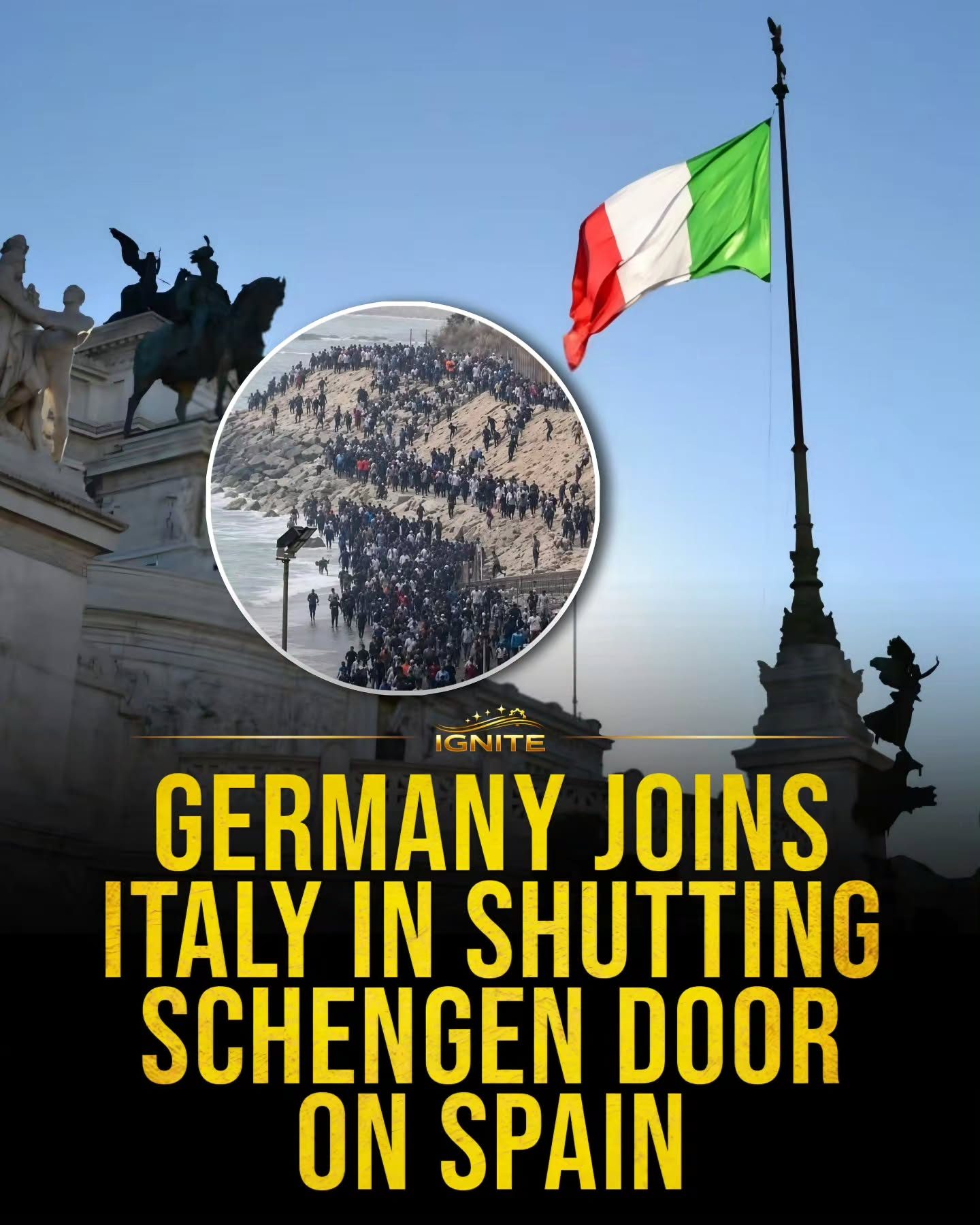
A Closer Look at Italy and Germany's Joint Action on the Schengen Border
The recent move by Italy and Germany to shut the Schengen door on Spain has sparked significant interest. This decision, highlighted by the IGNITE brand, is a critical development in European border control and migration policies. The Schengen Area, which includes 27 European countries, allows free movement of people without passport controls. However, the recent actions by Italy and Germany indicate a shift in this long-standing policy.
Context / Why this matters
The Schengen Agreement, signed in 1985 and implemented in 1995, has been a cornerstone of European integration. It allows for the free movement of people, goods, services, and capital across borders. This agreement has facilitated greater economic cooperation and cultural exchange among member states. However, the agreement also includes provisions for temporary reintroduction of border controls in case of a serious threat to public policy or internal security.
The recent decision by Italy and Germany to shut the Schengen door on Spain signifies a serious concern over border control and migration issues. This move is not merely a bilateral issue but has broader implications for the European Union (EU) and the Schengen Agreement.
Main discussion
Factors Leading to the Decision
The decision by Italy and Germany to shut the Schengen door on Spain is a response to several factors, including:
-
Migration Crisis: One of the primary reasons for the decision is the ongoing migration crisis in Europe. Spain, along with other Mediterranean countries, has been a major entry point for migrants and refugees. The influx of migrants has strained resources and infrastructure, leading to social and economic challenges.
-
Security Concerns: The recent surge in asylum seekers from countries experiencing civil unrest and conflict has raised security concerns. The European Union has been grappling with how to handle the influx of refugees and asylum seekers, many of whom are from countries with unstable political and security situations.
-
Terrorism Threat: The terrorist attacks in Europe have heightened concerns about security. The threat of terrorism has led to increased scrutiny of border controls and the need for enhanced security measures. This has put pressure on countries to tighten their borders and implement stricter controls.
Implications for the Schengen Area
The decision by Italy and Germany to shut the Schengen door on Spain has significant implications for the Schengen Area. The Schengen Agreement is based on the principle of free movement, and any disruption to this principle has far-reaching consequences.
-
Economic Impact: The free movement of people is a key factor in the economic integration of the EU. Disruptions to this movement can affect trade, tourism, and labor mobility. The economic impact of the decision will depend on how long the border controls are in place and how they are implemented.
-
Social and Political Impact: The decision has significant social and political implications. It could lead to tensions between member states and may strain relations within the EU. The reintroduction of border controls could also affect the public perception of the EU and its policies.
Implications for Spain
The decision to shut the Schengen door on Spain will have significant implications for the country. Spain has been a major entry point for migrants and refugees, and the influx of migrants has led to social and economic challenges.
-
Resource Strain: The influx of migrants has strained resources and infrastructure in Spain. The country has been struggling to manage the influx of migrants, and the decision to shut the Schengen door could exacerbate these challenges.
-
Economic Impact: Spain's economy relies heavily on tourism, and the decision to shut the Schengen door could have a significant impact on the tourism industry. The reintroduction of border controls could deter tourists and affect the economy.
-
Political Backlash: The decision could also lead to political backlash in Spain. The country has been a vocal advocate for the free movement of people, and the decision to shut the Schengen door could lead to tensions with other EU member states.
Practical tips
In light of the recent developments, travelers and residents in the affected areas should be aware of the following practical tips:
-
Stay Updated: Keep an eye on official announcements and updates from the relevant authorities. The situation can change rapidly, and it's important to stay informed about any changes in border controls or travel restrictions.
-
Plan Ahead: If you are planning to travel to or from Spain, Germany, or Italy, plan your trip well in advance. Be prepared for possible delays and disruptions at border crossings.
-
Carry Necessary Documents: Make sure you have all the necessary documents, including passports and visas, when traveling. The reintroduction of border controls may require additional document checks.
-
Stay Informed About Border Crossings: If you are planning to travel across borders frequently, stay informed about the locations and timings of border crossings that may be affected by the decision.
-
Know Your Rights: If you are a resident or citizen of an EU country, know your rights regarding travel and border controls. Contact the relevant authorities if you have any questions or concerns.
-
Be Patient and Understand the Context: The decision to shut the Schengen door is a temporary measure aimed at addressing pressing issues. Be patient and understanding of the context and the challenges being faced by member states.
Important takeaways
The recent decision by Italy and Germany to shut the Schengen door on Spain is a significant development in European border control and migration policies. Here are some key takeaways:
-
Migration and Security: The decision reflects the ongoing challenges related to migration and security in Europe. The influx of migrants and the threat of terrorism have heightened concerns and led to the need for stricter border controls.
-
Impact on Schengen Area: The decision has significant implications for the Schengen Area, including economic, social, and political impacts. The reintroduction of border controls could disrupt the free movement of people and affect trade, tourism, and labor mobility.
-
Implications for Spain: The decision will have a significant impact on Spain, including resource strain, economic impact, and potential political backlash. Spain has been a major entry point for migrants and refugees, and the influx of migrants has led to social and economic challenges.
Conclusion
The decision by Italy and Germany to shut the Schengen door on Spain is a critical development in European border control and migration policies. It reflects the ongoing challenges related to migration and security in Europe and the need for stricter border controls. The decision has significant implications for the Schengen Area, including economic, social, and political impacts. It also has significant implications for Spain, including resource strain, economic impact, and potential political backlash. As the situation unfolds, it is important for travelers and residents to stay informed, plan ahead, and be prepared for possible disruptions. This decision is a reminder of the complexities and challenges of managing migration and security in Europe.
Watch the Reel
Questions readers ask
Why did Italy and Germany decide to impose border controls on Spain?
The decision by Italy and Germany to implement border controls on Spain is primarily driven by migration and security concerns. These countries aim to manage the flow of people across their borders more effectively, which has led to the temporary suspension of the open-border policy in the Schengen Zone.
How does this joint decision impact the Schengen Area?
The joint decision by Italy and Germany to impose border controls on Spain marks a notable shift in the Schengen Area's long-standing policy of free movement. This action could influence other Schengen countries to reconsider their border management strategies, potentially leading to a more stringent approach to border security across the region.
What are the potential long-term effects on European migration policies?
The recent actions by Italy and Germany may lead to a more restrictive migration policy across the Schengen Area. Other countries may follow suit, tightening their borders and implementing stricter visa regulations. This shift could significantly alter the landscape of free movement and border security in Europe.
How does this decision align with the Schengen Agreement?
The Schengen Agreement, which facilitates free movement among member countries, has historically promoted an open-border policy. However, the recent decision by Italy and Germany indicates a willingness to suspend this policy in response to specific migration and security concerns, highlighting that border controls may be reinstated during times of crisis.
What measures are being taken to maintain security while managing border restrictions?
Italy and Germany are implementing a range of measures to ensure security while managing border restrictions. This includes increased monitoring, enhanced surveillance, and stricter checks at border crossings. These actions are aimed at balancing the need for border control with maintaining the integrity of the Schengen Area.
How might this decision impact travelers and residents in the Schengen Area?
Travelers and residents in the Schengen Area may experience delays and increased scrutiny at border crossings due to the new restrictions. It is essential for individuals to stay informed about the latest regulations and potentially prepare for additional checks and documentation requirements.
Recent articles
Fresh deep dives from the latest Reels we unpacked.




Comments
Be the first to comment.