Sustainable Building Material
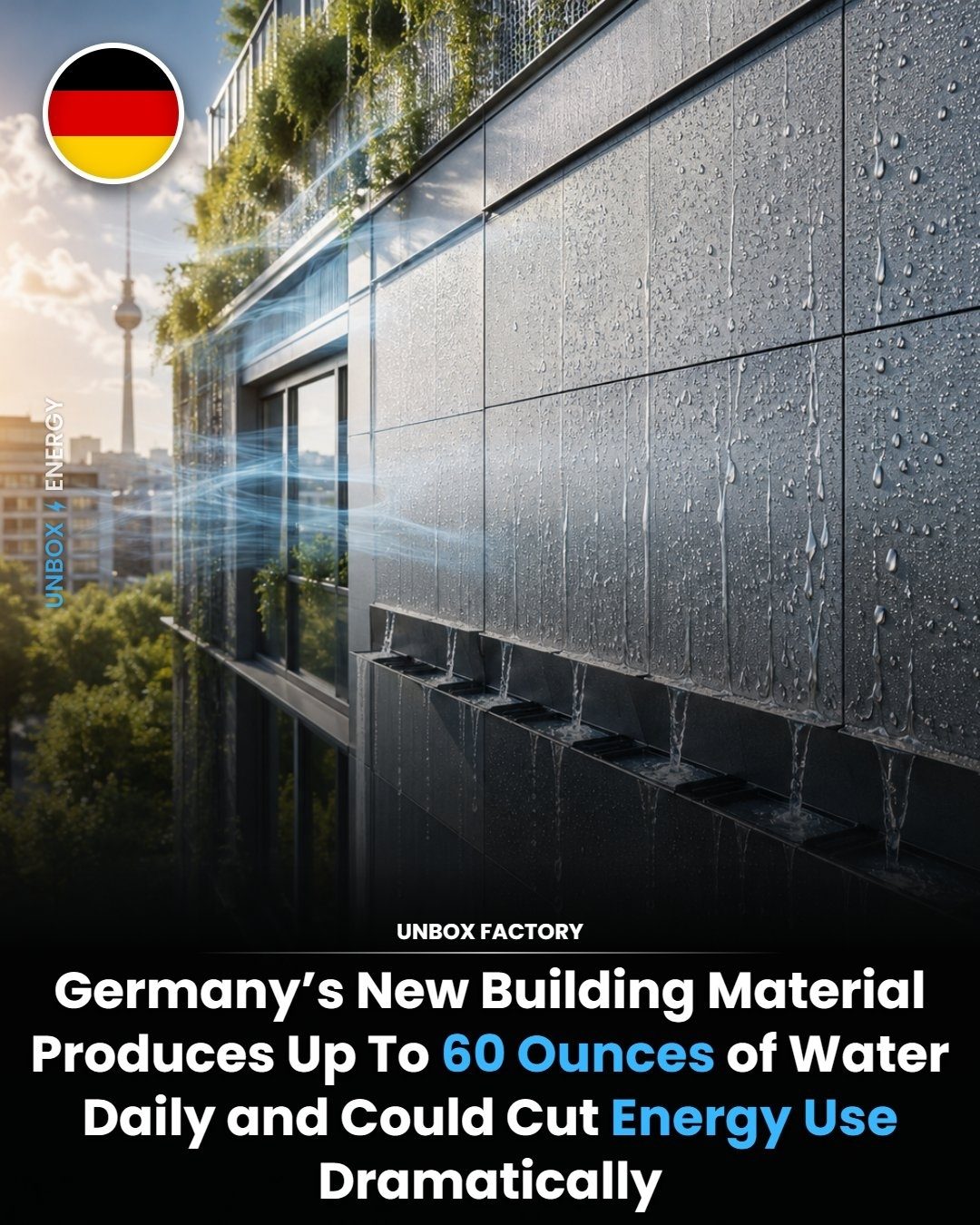
Sustainable building materials are at the forefront of modern construction, and a newly developed material from Germany is making waves. This advanced building material, created by German engineers, can extract up to 60 ounces (1.8 liters) of water from the atmosphere daily. The material not only harvests water but also naturally cools buildings through evaporative processes. This dual functionality makes it a groundbreaking innovation in sustainable construction.
Why This Matters
Buildings account for nearly 30% of global energy consumption, with air conditioning alone responsible for around 20% of electricity use during hot seasons. As climate change brings more frequent heatwaves, the demand for efficient cooling solutions is increasing. Traditional air conditioning systems are energy-intensive and contribute to carbon emissions, exacerbating the climate crisis. This new material from Germany offers a passive cooling solution that could significantly reduce energy use and lower cooling costs. Additionally, by improving water security, it addresses another critical challenge posed by climate change: water scarcity.
The Technology Behind the Material
The innovative material captures moisture from the atmosphere during the cooler nighttime hours. As temperatures rise during the day, the material gradually releases the captured water, creating a natural cooling effect through evaporative processes. This passive technology means that the material does not require electricity to operate, making it an energy-efficient solution for both cooling and water harvesting. The material’s ability to produce up to 60 ounces of water daily highlights its potential to enhance water security, especially in regions prone to drought.
Evaporative Cooling
Evaporative cooling is a natural process that has been used for centuries to lower temperatures. Unlike traditional air conditioning, which uses electricity to cool the air, evaporative cooling relies on the heat-absorbing properties of water. When water evaporates, it absorbs heat from the surrounding environment, creating a cooling effect. This material leverages this principle by capturing and releasing water, providing a sustainable and effective cooling solution.
Water Harvesting
Water harvesting is another critical aspect of this innovative material. By extracting water from the atmosphere, it addresses the growing concern of water scarcity. As climate change alters precipitation patterns, reliable water sources are becoming increasingly scarce. This material’s ability to produce up to 60 ounces of water daily can supplement traditional water sources, making it a valuable addition to sustainable infrastructure.
Practical Applications
The material’s potential to dramatically reduce energy use and improve water security makes it a valuable addition to modern construction. Here are some practical applications and benefits:
Reducing Energy Consumption
By naturally cooling buildings, this material can significantly reduce the energy consumption associated with traditional air conditioning systems. This not only lowers operational costs but also decreases the carbon footprint of buildings, contributing to broader sustainability goals.
Improving Water Security
In regions with limited water resources, this material offers a sustainable solution. By harvesting water from the atmosphere, it can supplement traditional water sources, ensuring a more reliable supply. This is particularly beneficial in areas prone to drought, where water scarcity can have severe economic and social impacts.
Adaptation to Climate Change
As climate change brings more frequent and intense heatwaves, cities need to adapt their infrastructure to withstand these challenges. This material provides a passive cooling solution that can help cities adapt to changing weather patterns, making urban environments more resilient and sustainable.
Important Takeaways
The innovative building material developed in Germany offers a sustainable solution to two critical challenges: energy consumption and water scarcity. By harnessing the power of evaporative cooling and water harvesting, it provides a passive technology that can significantly reduce energy use, lower cooling costs, and improve water security.
Key Benefits
- Energy Efficiency: The material’s passive cooling mechanism reduces the need for electricity, lowering energy consumption and operational costs.
- Water Harvesting: By extracting water from the atmosphere, it supplements traditional water sources, improving water security.
- Climate Adaptation: The material helps cities adapt to more frequent heatwaves, making urban environments more resilient.
Conclusion
This advanced building material represents a significant step forward in sustainable construction. By combining evaporative cooling and water harvesting, it offers a passive technology that can reduce energy consumption, lower cooling costs, and improve water security. As cities continue to grapple with the challenges of climate change, innovative solutions like this will be essential in creating more sustainable and resilient urban environments.
Watch the Reel
Questions readers ask
How much water can this German material produce daily?
The material can generate up to 60 ounces, or 1.8 liters, of water from the air each day. This is achieved through a process of atmospheric moisture extraction.
How does this material contribute to energy efficiency in buildings?
The material naturally cools buildings through evaporative processes, which reduces the need for traditional air conditioning. This can significantly lower electricity consumption, especially during hot seasons.
What are the benefits of using this material in construction?
This material offers a dual benefit of water harvesting and energy-efficient cooling. It addresses both water scarcity and high energy consumption, making it a sustainable choice for construction projects.
Can this material be used in all climates?
While the material is innovative, its effectiveness in extracting water may vary depending on the humidity levels of the region. It is most effective in areas with higher humidity.
What is the main advantage of using this material over traditional building materials?
The primary advantage is its ability to simultaneously address two major challenges: water scarcity and high energy consumption. By harvesting water and providing natural cooling, it reduces reliance on traditional resources.
How does the material compare to other sustainable building materials?
Unlike other sustainable materials that may focus on a single benefit, such as energy efficiency, this German material offers a multi-functional approach. It combines water harvesting with energy-saving cooling, providing a comprehensive solution to modern building challenges.
Related deep dives
Similar reads based on topic and creator.
Recent articles
Fresh deep dives from the latest Reels we unpacked.




Comments
Be the first to comment.