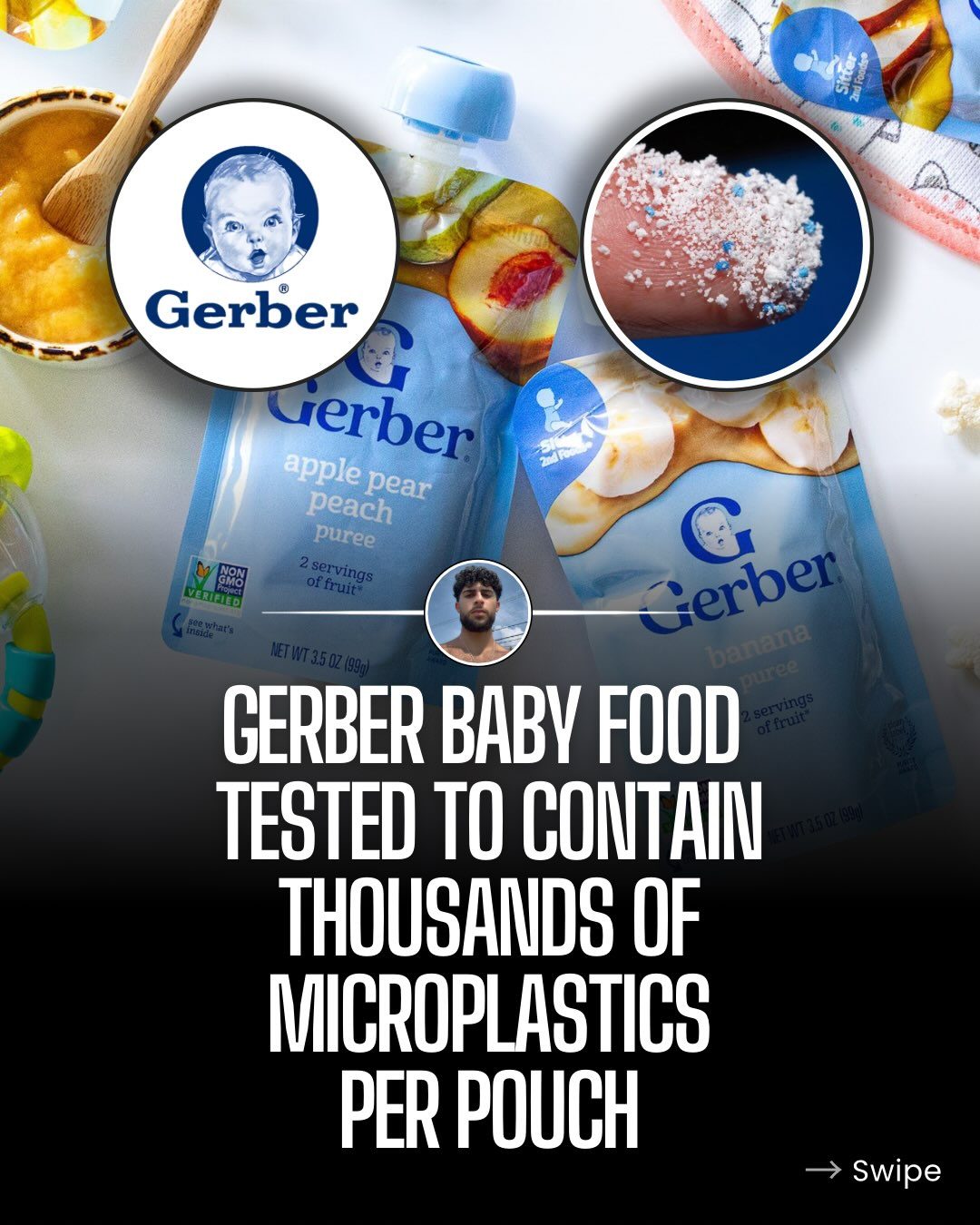
Microplastics in Baby Food Pouches
Baby food pouches, particularly those from Gerber, have been under scrutiny due to the presence of microplastics. A May 2026 investigation commissioned by Greenpeace International found microplastic particles in every tested sample of Nestlé’s Gerber baby food pouches. This discovery raises critical questions about the safety and purity of what is being fed to infants.
Why This Matters
The presence of microplastics in baby food pouches is a significant concern for several reasons. Babies and young children are particularly vulnerable to the effects of harmful substances due to their developing immune systems and smaller body sizes. Understanding the sources and impacts of these contaminants is essential for ensuring the health and safety of the youngest members of society.
The Investigation and Findings
The Scope of the Problem
The investigation by Greenpeace International, conducted by the independent lab SINTEF Ocean, revealed alarming levels of microplastics in Gerber baby food pouches. The lab found up to 54 microplastic particles per gram, translating to an estimated 5,000 or more particles per single pouch. This high concentration of microplastics is a cause for concern, given the daily consumption of baby food by infants.
Chemical Composition
The lab analysis identified over 100 plastic-related chemicals, including known endocrine disruptors. These chemicals are linked to the polyethylene plastic used in the internal lining of the squeeze pouches. Endocrine disruptors are particularly worrisome because they can interfere with the body's hormonal systems, potentially leading to various health issues.
The Impact on Health
Endocrine Disruption
Endocrine disruptors are chemicals that can interfere with the body's endocrine system, which produces hormones. This disruption can lead to various health problems, including developmental issues, reproductive problems, and metabolic disorders. Given that infants are in a critical stage of growth and development, exposure to these chemicals can have long-lasting effects.
Long-Term Effects
The long-term effects of microplastic ingestion and exposure to plastic-related chemicals are not yet fully understood. However, research suggests that chronic exposure to these contaminants can lead to a range of health issues, including cancer, neurological disorders, and immune system dysfunction. For babies and young children, whose bodies are still developing, the risks are even higher.
Practical Tips for Parents and Caregivers
Reading Labels
When purchasing baby food, it's essential to read the labels carefully. Look for products that are labeled as BPA-free and free from other harmful chemicals. While this may not eliminate the risk of microplastics, it can reduce exposure to known endocrine disruptors.
Choosing Alternative Feeding Methods
Consider alternative feeding methods, such as homemade baby food or fresh, organic produce. Making your own baby food allows you to control the ingredients and ensure that no harmful chemicals are present. If you choose to use store-bought baby food, opt for brands that prioritize food safety and use recyclable packaging.
Advocating for Change
Parents and caregivers can play a crucial role in advocating for change. Contacting food manufacturers and expressing concerns about microplastics in baby food can encourage them to take action. Additionally, supporting organizations that are working to raise awareness about this issue can help drive policy changes and improve food safety standards.
Important Takeaways
The Need for Regulation
The findings of the Greenpeace International investigation highlight the need for stricter regulations on the use of plastics in food packaging. Governments and regulatory bodies must enforce standards that ensure the safety of baby food and other products intended for young children.
Public Awareness
Raising public awareness about the presence of microplastics in baby food is crucial. Parents and caregivers need to be informed about the potential risks and take steps to protect their children. Increased awareness can lead to better purchasing decisions and greater pressure on manufacturers to improve their products.
Research and Innovation
Further research is needed to fully understand the health impacts of microplastics and plastic-related chemicals. Innovations in food packaging that eliminate the use of harmful plastics can provide safer alternatives for baby food and other products. Supporting research and development in this area is essential for ensuring the safety of future generations.
Consumer Action
Consumers have the power to influence the market by choosing products that prioritize safety and sustainability. By opting for brands that use safe packaging materials and supporting organizations that advocate for food safety, consumers can drive change and protect the health of their children.
Conclusion
The discovery of microplastics in Gerber baby food pouches is a wake-up call for parents, caregivers, and regulators. The presence of these contaminants in products intended for infants raises serious concerns about health and safety. By taking practical steps to reduce exposure, advocating for stricter regulations, and supporting research and innovation, we can work towards ensuring that baby food is free from harmful chemicals. Protecting the health of our youngest members is a collective responsibility, and every effort counts.
Watch the Reel
Questions readers ask
What are microplastics and how do they end up in baby food pouches?
Microplastics are tiny plastic particles that can originate from the degradation of larger plastic items or from microbeads used in various products. In baby food pouches, microplastics can leach from the packaging material, especially when exposed to heat or acidic foods, contaminating the contents.
Why is the presence of microplastics in baby food pouches concerning?
The presence of microplastics in baby food pouches is concerning because infants and young children are more susceptible to the potential health risks associated with these particles. Their developing bodies and immature immune systems make them particularly vulnerable to the effects of these contaminants.
What specific findings were reported in the May 2026 investigation by Greenpeace International?
The investigation found thousands of microplastic particles in every tested sample of Nestlé’s Gerber baby food pouches. Specific types of purees, such as apple, pear, and peach, were found to contain these particles, highlighting the widespread nature of the issue.
What are endocrine disruptors and why are they mentioned in relation to baby food pouches?
Endocrine disruptors are chemicals that can interfere with the body's hormonal systems. In the context of baby food pouches, these disruptors may be present alongside microplastics, potentially exacerbating health risks for infants and young children exposed to contaminated food.
What can parents do to minimize the risk of microplastics in their child's diet?
Parents can take several steps to minimize exposure to microplastics, such as opting for fresh, whole foods when possible, avoiding excessive use of plastic containers for food storage, and choosing baby food brands that prioritize safer packaging materials.
Has Gerber responded to the findings about microplastics in their baby food pouches?
As of the latest information, specific responses from Gerber regarding the findings about microplastics in their baby food pouches have not been detailed. However, it is crucial for parents to stay informed about any updates or recalls issued by the company to ensure the safety of their products.
Recent articles
Fresh deep dives from the latest Reels we unpacked.




Comments
Be the first to comment.