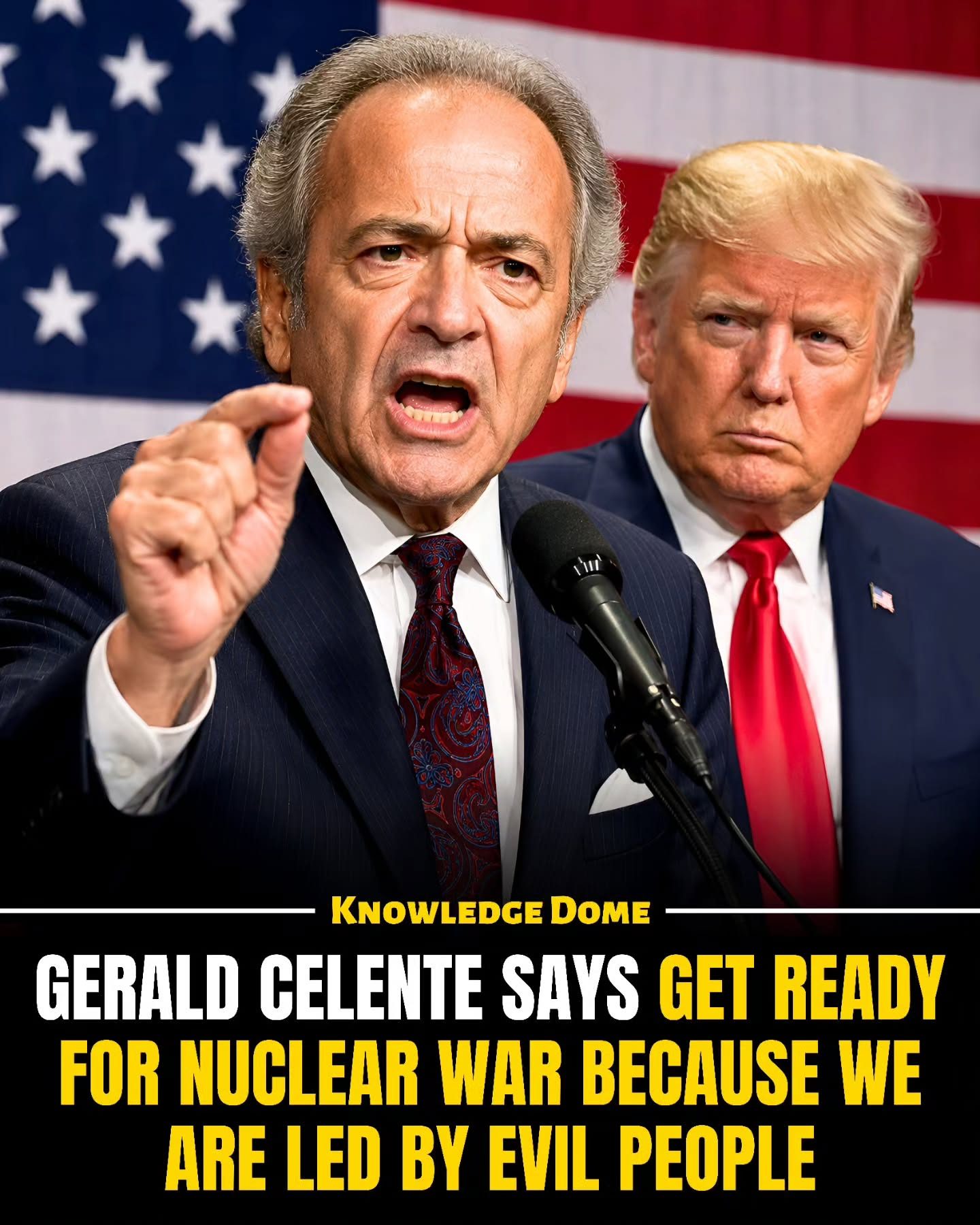
Gerald Celente, the founder of Trends Journal, has repeatedly warned that the world is on the brink of nuclear war. He attributes this potential conflict to the actions and decisions of what he considers to be poor and misguided leadership from powerful nations. Celente's message is clear: when leaders prioritize power, war, and profit over the well-being of their citizens, the consequences can be catastrophic.
Why this matters
Celente's warnings are not just about military conflict. He emphasizes that war has far-reaching effects that go beyond the battlefield. Economic instability, inflation, financial crises, and increased global fear are all potential outcomes of such conflicts. Understanding these risks is crucial for anyone looking to navigate an uncertain future.
Current geopolitical tensions
The world is divided into several key political power houses. Each of them have good and bad leaders. Celente's concerns arise from the belief that many current leaders are focusing on power struggles and geopolitical maneuvering rather than working towards peace and stability. He argues that this focus on power and profit leads to neglect, and even harm, of ordinary citizens and that this can, in turn, destabilize the world and lead to greater conflicts.
The role of nuclear weapons
Nuclear weapons have long been a subject of intense debate and concern. Celente's warning about a potential nuclear war underscores the gravity of the current situation. The use of nuclear weapons could lead to an unprecedented level of destruction and loss of life. The threat of nuclear war is not just a historical relic; it is a very real and present danger that affects all nations. Celente's warning goes beyond just speaking of a nuclear war and focuses on how it will affect the economy and our day to day lives.
Economic consequences of war
Celente warns that war can lead to a weak economy, rising prices, and financial instability. These economic problems can exacerbate social unrest and lead to further conflict.
Rising prices
War often disrupts supply chains and trading routes. This leads to shortages of essential goods. When supply cannot meet demand, prices go up. Celente’s warning highlights the risk of inflation and its impact on everyday life. Higher prices for food, fuel, and other necessities can make living conditions much more difficult for average people.
Financial instability
Financial markets can be highly sensitive to geopolitical conflicts. Economic sanctions, military expenditures, and the redistribution of resources for defense purposes can all lead to significant economic shifts. Celente's warning about money problems includes the potential for stock market volatility, currency devaluation, and even potential collapse of financial institutions.
Practical tips for preparing for uncertain times
While Celente's warnings may seem alarming, he offers practical advice for individuals and families to prepare for uncertain times. Being proactive can help mitigate the impact of potential crises.
Being self-sufficient
Self-sufficiency is key to surviving uncertain times. This includes growing your own food, learning basic survival skills, and reducing dependence on external systems. By being self-sufficient, individuals and families can better manage their resources and maintain a level of independence.
Keeping food stored
Food storage is a vital component of preparedness. Having a stockpile of non-perishable food items ensures that you have a reliable food source in case of disruptions in the supply chain or other emergencies. This can help you avoid panic buying and ensure that you have access to nutritious food.
Protecting your home
Securing your home involves both physical protection and preparation for potential hazards. This can include reinforcing your home against natural disasters, installing security systems, and having emergency supplies on hand. A well-protected home can provide a safe haven during times of crisis.
Saving money in precious metals
Precious metals like gold and silver have long been considered safe havens during economic instability. Investing in these metals can help protect your wealth from inflation and currency devaluation. Precious metals are a tangible asset that can retain value even in times of financial turmoil.
Important takeaways
Gerald Celente's warnings about the potential for nuclear war and the broader consequences of geopolitical conflicts are grounded. By understanding the potential risks and taking proactive measures, individuals and families can better prepare for uncertain times. Self-sufficiency, food storage, home protection, and investing in precious metals are all practical steps that can help mitigate the impact of potential crises.
Conclusion
The world faces significant geopolitical challenges, and the potential for conflict is always present. By understanding the broader implications of these challenges and taking proactive measures, individuals and families can better navigate uncertain times. Gerald Celente's warnings serve as a reminder of the importance of preparedness and the need to focus on resilience and self-sufficiency.
Watch the Reel
Questions readers ask
What specific actions are world leaders taking that increase the risk of nuclear war, according to Gerald Celente?
Gerald Celente argues that powerful nations prioritize aggression, military intervention, and profit, rather than diplomacy and peace. This approach, he believes, escalates tensions and increases the likelihood of nuclear conflict.
How might a nuclear war impact the global economy, according to Celente's warnings?
Celente warns that a nuclear war could lead to widespread economic instability, including inflation and financial crises. These economic disruptions could have severe, long-lasting effects on global markets and individual livelihoods.
Which nations are considered to have the most significant influence on the current nuclear war risk?
Celente points to powerful nations, particularly those with nuclear arsenals, as having the most significant influence. He believes the decisions and actions of these nations' leaders are pivotal in either escalating or de-escalating global tensions.
What steps can individuals take to prepare for the potential social consequences of a nuclear war?
While no preparation can fully mitigate the devastation of a nuclear war, individuals can take some practical steps. These include, but are not limited to, securing access to clean water, non-perishable food, and emergency supplies, as well as having a plan for communication and reunification with family members.
Why does Gerald Celente believe that war has effects beyond the battlefield?
Celente emphasizes that war, particularly nuclear war, has far-reaching implications. These include widespread fear and anxiety, disruption of global trade and supply chains, and potential mass displacement of people, all of which can lead to substantial social and economic upheaval.
What is the Trends Journal, and how is it related to Gerald Celente's warnings?
The Trends Journal is a publication founded by Gerald Celente. It serves as a platform where he shares his analyses and predictions about global trends, including his warnings about the potential for nuclear war. Through the journal, Celente aims to raise awareness about the risks and consequences of poor leadership and global conflict.
Recent articles
Fresh deep dives from the latest Reels we unpacked.




Comments
Be the first to comment.