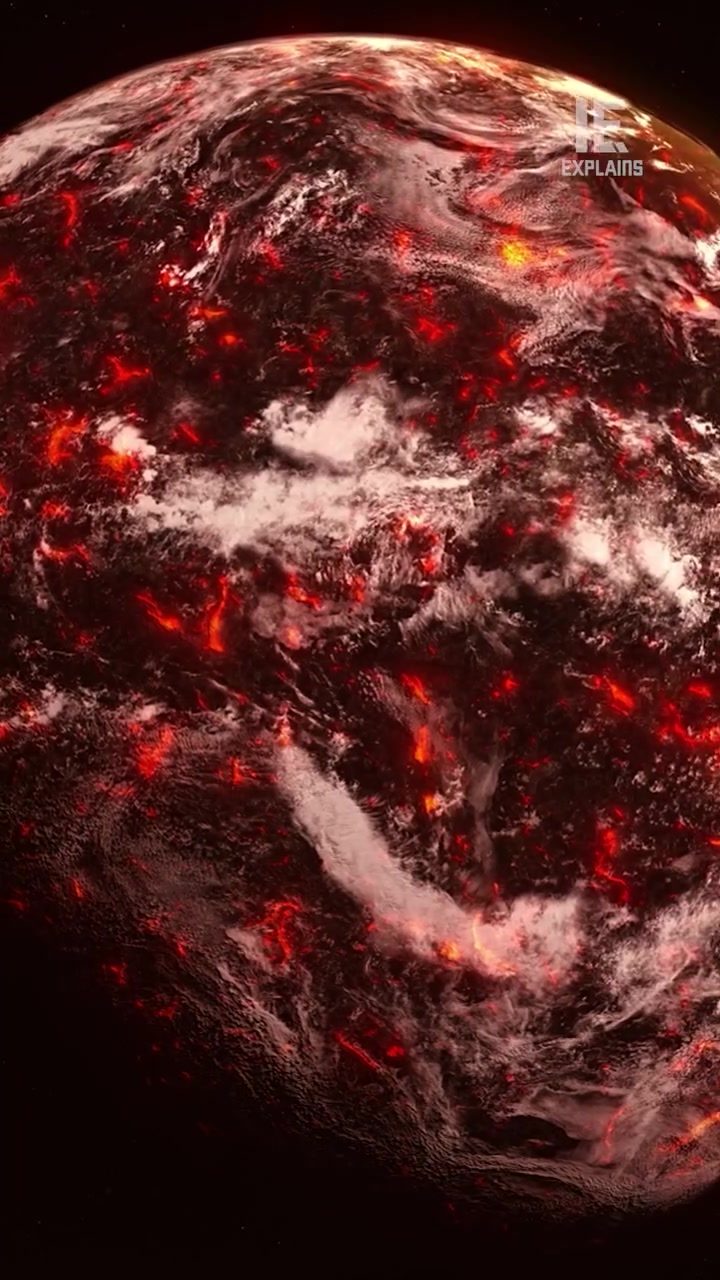
Geothermal Energy: Harnessing the Earth's Heat
Geothermal energy taps into the immense heat reservoir within the Earth, offering a clean and renewable power source. Understanding geothermal energy means exploring its origins, the types of geothermal resources, and the challenges and opportunities it presents.
Context
Geothermal energy is derived from the heat stored within the Earth. This heat, a remnant of the planet's formation and the ongoing radioactive decay of elements like uranium, thorium, and potassium, could theoretically power humanity for billions of years. Despite its potential, geothermal energy currently supplies only about 1% of the world's electricity. This discrepancy highlights both the promise and the hurdles of geothermal power.
The Origins of Geothermal Energy
The Earth's Formation and Internal Heat
Four and a half billion years ago, the Earth formed from colliding gas, dust, and rocks. This violent process left behind an enormous stockpile of heat. The Earth's core, roughly as hot as the surface of the sun, continues to generate heat through the radioactive decay of elements. This internal heat is a vast, largely untapped energy resource.
Types of Geothermal Resources
Geologists classify geothermal resources into four main types:
-
Hydrothermal Systems: These are naturally occurring hot water or steam trapped in porous rocks or shallow depths. Nearly all geothermal power today comes from this type. Hydrothermal systems are the most accessible and widely used geothermal resources.
-
Geopressured Systems: These involve hot, methane-saturated brine locked in deep, high-pressure aquifers. While these systems hold significant potential, they are more challenging to access and utilize.
-
Hot Dry Rock: This type involves rocks heated to temperatures between 200 and 300 degrees Celsius with no water present. To harness this energy, water must be injected into the rock to create a geothermal reservoir. This process is more complex and less common than hydrothermal systems.
-
Magma: Molten rock found at depths of up to 1,200 degrees Celsius, magma is the ultimate prize in geothermal energy. However, it remains largely untapped due to the technical challenges of accessing and utilizing it safely.
Geothermal Energy in Action
Success Stories
Where geology cooperates, geothermal energy shines. Iceland, situated on the mid-Atlantic ridge, gets about a quarter of its electricity from geothermal sources. Italy's Lardarello fields in Tuscany have been generating geothermal power since the early 1900s, making it the first place on Earth to do so. These examples demonstrate the potential of geothermal energy in the right geological conditions.
Global Geothermal Capacity
Despite its promise, global geothermal capacity is only around 16 gigawatts, about 1% of the world's electricity. This low percentage is a missed opportunity, especially in an era where data centers are devouring power around the clock. The challenge lies not in the availability of heat but in the drilling technologies needed to access it.
The Drilling Challenge
Current Drilling Limitations
The primary obstacle to widespread geothermal energy adoption is drilling. Conventional rotary drill bits wear out quickly in hot, hard, and abrasive rock, and costs climb steeply with every kilometer drilled. Deep drilling is expensive and technically demanding, making it impractical in many locations.
Innovations in Drilling Technology
To overcome these challenges, innovative drilling technologies are being developed. Quaise Energy, an MIT spinout, has raised $134 million to drill deeper and faster using millimeter-wave energy beams that vaporize solid rock. Their goal is Project Obsidian in Oregon, aiming to be the world's first superhot geothermal power plant and target first electricity by 2030.
Another notable innovation comes from Fervo Energy, which has cut well costs by 70% through horizontal drilling techniques.
Practical Tips for Exploring Geothermal Energy
Understanding Local Geology
Before investing in geothermal energy, it's crucial to understand the local geology. Not all regions have the right conditions for geothermal power. Areas with active or geologically young volcanoes, or those along tectonic plate boundaries, are more likely to have accessible geothermal resources.
Exploring Geothermal Resources
Hydrothermal systems are the most accessible and widely used geothermal resources. These systems can be found in areas with hot springs, geysers, or volcanic activity. Exploring these resources involves drilling wells to access the hot water or steam trapped beneath the surface.
Innovative Drilling Techniques
Investing in innovative drilling technologies can make geothermal energy more accessible and cost-effective. Techniques such as millimeter-wave energy beams and horizontal drilling can significantly reduce the cost and time required to drill deep wells.
Leveraging Geothermal Energy
Geothermal energy can be used for various applications, including electricity generation, heating, and cooling. To leverage geothermal energy effectively, it's essential to understand the specific needs and constraints of your project. For example, geothermal power plants can generate electricity by using the heat from geothermal resources to produce steam that drives a turbine.
Important Takeaways
-
Abundant Resource: The Earth's internal heat is a vast, largely untapped energy resource that could theoretically power humanity for billions of years.
-
Types of Resources: Geothermal resources are classified into four main types: hydrothermal, geopressured, hot dry rock, and magma.
-
Drilling Challenges: The primary obstacle to widespread geothermal energy adoption is the high cost and technical challenges of deep drilling.
-
Innovative Solutions: New drilling technologies, such as millimeter-wave energy beams and horizontal drilling, offer promising solutions to the drilling challenges.
-
Geological Considerations: The success of geothermal energy projects depends heavily on local geology. Areas with active or geologically young volcanoes or along tectonic plate boundaries are more likely to have accessible geothermal resources.
Conclusion
Geothermal energy holds immense potential as a clean and renewable power source. By understanding the types of geothermal resources, the challenges of drilling, and the innovative solutions being developed, we can harness the Earth's heat to power our civilization more sustainably. As technologies advance and costs decrease, geothermal energy is poised to play a more significant role in the global energy landscape.
Watch the Reel
Questions readers ask
How does geothermal energy compare to other renewable energy sources?
Geothermal energy differs from other renewable sources like solar or wind in that it is not dependent on weather conditions or time of day. It provides a constant, baseline power supply, making it a reliable complement to intermittent renewable energy sources. Additionally, geothermal power plants have a small footprint and produce fewer greenhouse gases, contributing to a cleaner energy mix.
What are the primary benefits of investing in geothermal energy?
Investing in geothermal energy supports a sustainable future by reducing reliance on fossil fuels and lowering greenhouse gas emissions. It also fosters energy independence, creates local jobs in drilling, construction, and maintenance, and contributes to grid stability with a consistent power supply. Geothermal power plants also have a long lifespan, often exceeding 30 years, providing a steady return on investment.
How does geothermal drilling work, and why is it challenging?
Geothermal drilling involves creating deep wells to access the Earth's heat, typically ranging from 1.5 to 3 kilometers. The process is technically demanding and costly due to the extreme temperatures and pressures encountered at these depths. Additionally, the drilling process must navigate complex geological formations, requiring specialized equipment and expertise, which can be challenging and requires significant investment.
What are the main types of geothermal power plants?
The main types of geothermal power plants are dry steam, flash, and binary cycle plants. Dry steam plants use steam directly from a geothermal reservoir to drive turbines. Flash plants pull hot water into low-pressure tanks, causing it to flash into steam. Binary cycle plants pass hot geothermal water through a heat exchanger, heating a secondary liquid to drive the turbine, making this the most flexible technology for various geothermal resources.
What is the current global footprint of geothermal electricity?
Currently, geothermal electricity supplies around 1% of the world's total electricity, with the majority of geothermal power plants located in countries with significant geothermal resources, such as the United States, the Philippines, Indonesia, and Kenya. Despite its modest global footprint, geothermal energy's potential is vast, and many countries are exploring ways to expand their geothermal capabilities.
What are the main obstacles to widespread geothermal energy adoption?
The primary obstacles to widespread geothermal energy adoption include the high upfront costs of exploration and drilling, the technical challenges of drilling deep wells, and the uncertainty of geothermal resource assessments. Additionally, the geographical limitations of viable geothermal resources can hinder widespread adoption, as not all regions have accessible geothermal reservoirs. However, advancements in technology and exploration methods continue to make geothermal energy more accessible.
How is geothermal energy's future influenced by technological advancements?
Technological advancements, such as improved drilling techniques, enhanced geothermal systems, and better resource assessment methods, play a crucial role in shaping geothermal energy's future. These innovations aim to reduce costs, improve efficiency, and expand the range of accessible geothermal resources. As technology continues to evolve, geothermal energy is poised to become an increasingly viable and attractive option for sustainable power generation worldwide.
Recent articles
Fresh deep dives from the latest Reels we unpacked.




Comments
Be the first to comment.