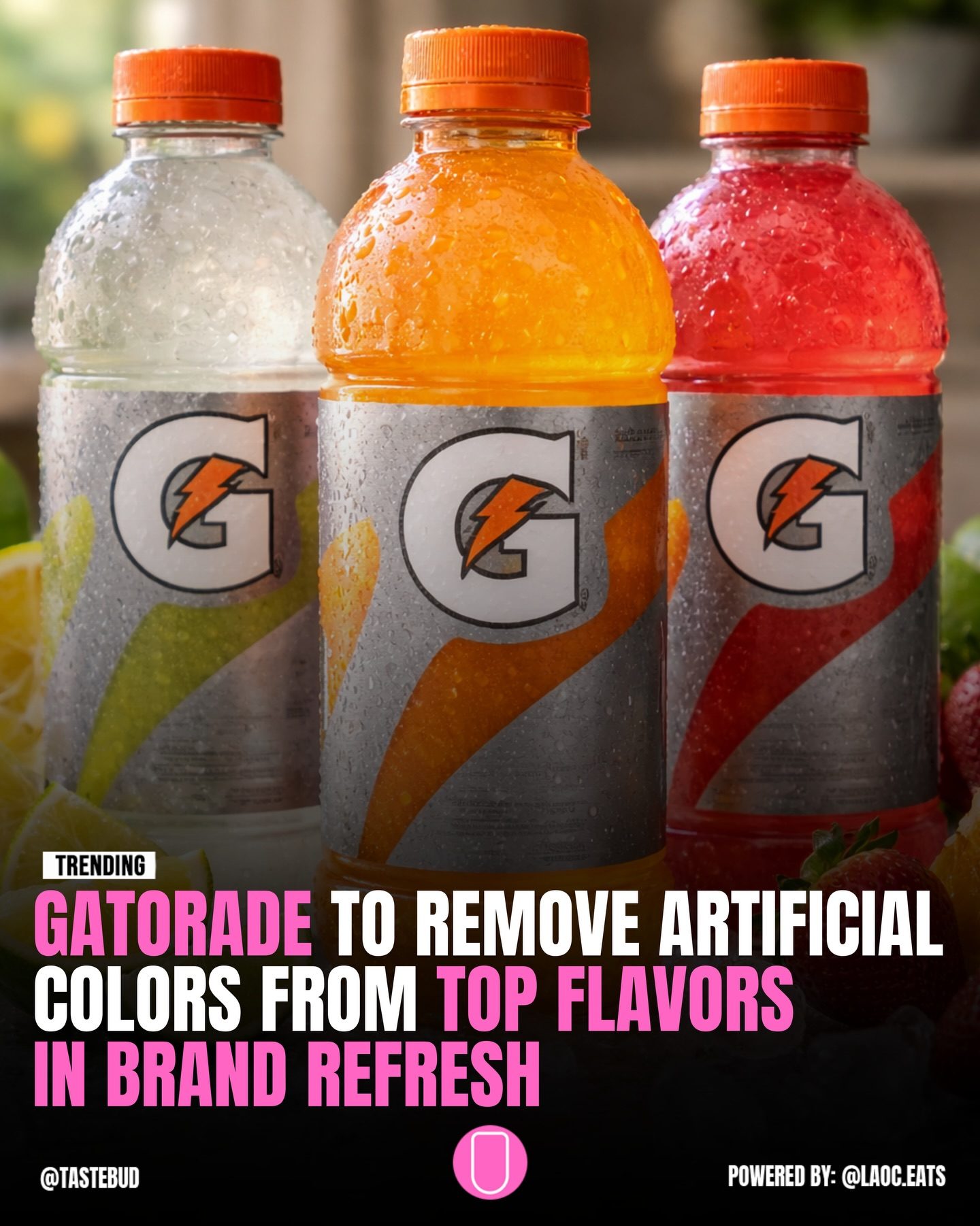
Gatorade Refresh: A Move Toward Natural Colors
Gatorade, a staple in the world of sports drinks, is embarking on a significant transformation. The brand is phasing out artificial FD&C dyes and transitioning to plant-based colors derived from fruits and vegetables. This shift is part of a broader initiative to simplify ingredient labels and align with growing consumer demand for cleaner, more natural products.
Why This Matters
In today's health-conscious market, consumers are increasingly scrutinizing ingredient lists. The move away from artificial colors is a response to this trend, as well as a step towards greater transparency in what goes into popular beverages.
The Transition to Natural Colors
Phasing Out Artificial Dyes
Gatorade's decision to remove artificial FD&C dyes is a strategic move that addresses consumer health concerns. Artificial dyes have long been a point of contention, with some studies suggesting potential links to hyperactivity in children and other health issues. By switching to natural colors, Gatorade aims to mitigate these concerns and appeal to a broader audience.
The Role of Plant-Based Colors
Natural colors derived from fruits and vegetables offer a more wholesome alternative. For instance, beetroot can provide a vibrant red, turmeric can give a rich yellow, and carrot can offer orange hues. These natural pigments not only enhance the visual appeal but also contribute to the overall health benefits of the drink.
The Gradual Rollout
Starting with Powder Sticks
The transition will begin with powder sticks, which are a convenient and portable form of the sports drink. This allows Gatorade to test the market response and make any necessary adjustments before rolling out the change to bottled drinks. The powder form is also easier to adapt to natural coloring, as it requires less stabilization compared to liquid formulations.
Expanding to Bottled Drinks
By 2026, the change will extend to bottled Gatorade drinks. This gradual rollout ensures that consumers have time to adapt to the new appearance and that the brand can refine its recipes to maintain the core formula and hydration benefits. The transition may result in slightly less vibrant colors, but the core formula and hydration benefits will remain unchanged.
Maintenance of Core Formula and Benefits
Despite the color changes, Gatorade assures consumers that the core formula and hydration benefits will stay the same. This is crucial for maintaining the brand's reputation as a reliable sports drink that aids in hydration and performance.
Practical Tips for Consumers
How to Identify the Natural Colors
When the transition begins, consumers may notice differences in the color intensity. Natural colors may appear slightly less vibrant. Bottles and packaging will reflect the new ingredient labels, making it easier to identify products with plant-based colors.
Benefits of Natural Colors
- Healthier Choice: Natural colors are generally considered safer and healthier, with fewer potential side effects.
- Environmentally Friendly: Natural dyes often have a lower environmental impact, making the transition more sustainable.
- Better Flavor: Some consumers report that natural colors can enhance the overall taste experience by adding subtle, natural flavors.
Important Takeaways
Gatorade's move towards natural colors is a significant step in the right direction for consumer health and environmental sustainability. By phasing out artificial dyes, the brand is not only responding to consumer demands but also setting a new standard for the industry. The gradual rollout ensures a smooth transition, allowing consumers to adapt without compromising on the core benefits of the sports drink.
Conclusion
The shift to natural colors in Gatorade is more than just a brand refresh—it's a commitment to cleaner, more wholesome ingredients. As consumers become more health-conscious, this move positions Gatorade at the forefront of innovation in the beverage industry. By focusing on natural, plant-based colors, Gatorade is not only enhancing its product but also aligning with the evolving preferences of its customer base.
Watch the Reel
Questions readers ask
Why is Gatorade switching to natural colors from artificial ones?
Gatorade is making this change to cater to the increasing consumer demand for more natural and transparent ingredients in their beverages. By replacing synthetic FD&C dyes with plant-based colors, Gatorade aims to simplify its ingredient labels and respond to the growing trend of health-conscious consumers.
What are the new colors in Gatorade being derived from?
The new natural colors in Gatorade are being derived from various fruits and vegetables. This transition is part of a broader initiative to align with consumer preferences for cleaner, more natural products.
Will the taste of Gatorade be affected by this change?
Gatorade assures consumers that the transition to natural colors will not significantly alter the taste of their products. The primary changes are in the visual appearance and the ingredient list, not the flavor profile.
Which Gatorade products are being updated to use natural colors?
Gatorade is in the process of updating its entire range of sports drinks to use natural colors. This includes all the popular flavors that consumers have come to expect, ensuring a consistent product line with the new natural coloring.
Are there other brands following Gatorade's move to natural colors?
Gatorade's move is part of a broader trend in the industry. Several other brands have also started transitioning to natural ingredients and colors in response to consumer demand for healthier and more natural products. Gatorade is one of the latest major brands to make this shift.
Why do consumers prefer natural colors over artificial ones?
Many consumers prefer natural colors because they are derived from recognizable sources like fruits and vegetables, which are generally perceived as healthier and safer. Additionally, natural colors can provide a more authentic and appealing look to products, enhancing their overall appeal.
How will Gatorade ensure the consistency of its products during this transition?
Gatorade is committed to ensuring that the transition to natural colors does not compromise the consistency and quality of its products. The company is using advanced techniques to maintain the vibrant colors and flavors that consumers associate with the brand while updating the formulation to align with consumer preferences.
Related deep dives
Similar reads based on topic and creator.




Recent articles
Fresh deep dives from the latest Reels we unpacked.




Comments
Be the first to comment.