Gastric Balloon Procedure
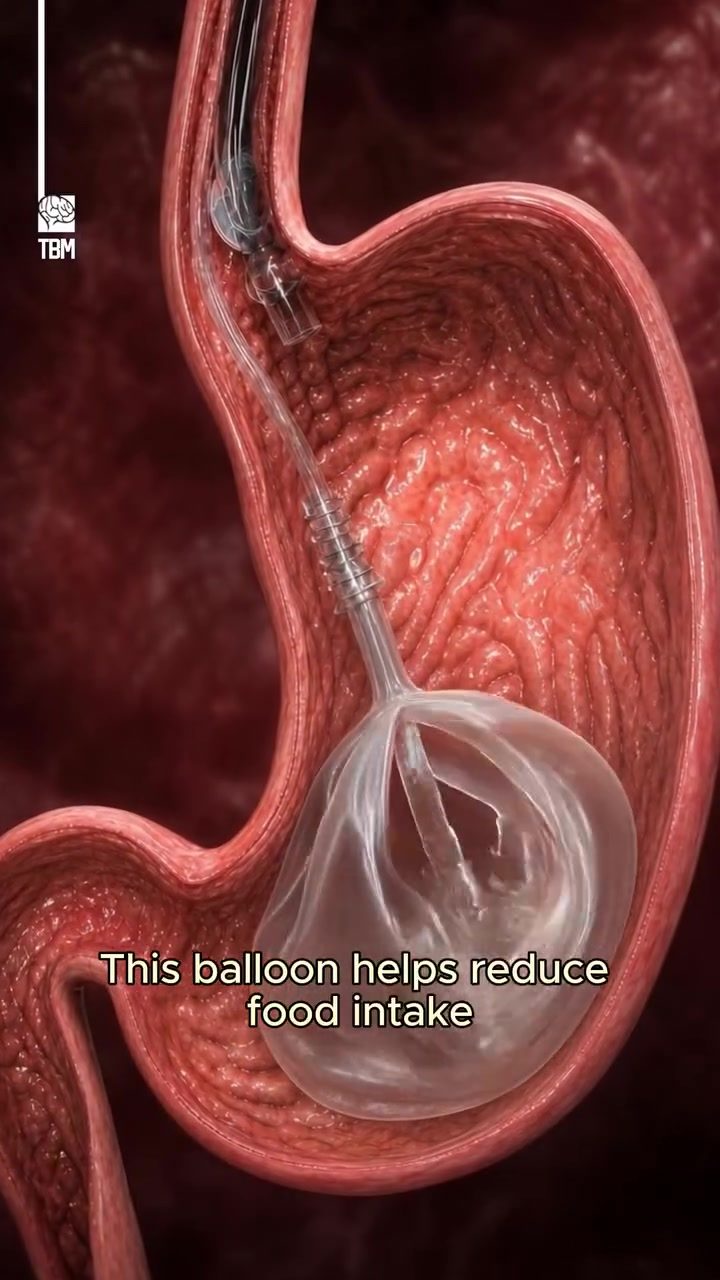
The gastric balloon, also known as an intragastric balloon, is a non-surgical medical device used for weight loss. This device is placed inside the stomach to create a feeling of fullness, helping patients reduce their food intake and manage their weight more effectively. The procedure is designed to support metabolic control and encourage healthier eating habits without the need for invasive surgery or extreme diets.
Why this matters
Obesity and its related health issues are significant public health concerns. Traditional weight loss methods, such as strict diets and intense exercise regimens, can be challenging to maintain long-term. The gastric balloon offers an alternative approach, providing individuals with a tool to manage their weight more effectively.
Main discussion
What is a Gastric Balloon?
A gastric balloon is a soft, silicone balloon that is inserted into the stomach through the mouth using an endoscope. Once in place, the balloon is filled with a sterile saline solution, causing it to expand and take up space within the stomach.
How Does the Gastric Balloon Work?
The primary function of the gastric balloon is to create a feeling of fullness, helping to reduce overall food intake. By occupying space in the stomach, the balloon activates stretch receptors in the stomach wall. These receptors send signals to the brain, indicating that the body is already full. This mechanism helps regulate appetite hormones, such as ghrelin, which reduces hunger sensations. As a result, patients tend to eat smaller portions and feel satisfied more quickly.
The Procedure
The gastric balloon procedure is a non-surgical, outpatient treatment. Here’s a step-by-step look at the process:
- Preparation: Before the procedure, patients typically undergo a consultation with a healthcare provider to determine if they are suitable candidates for the treatment. This may involve a physical examination and discussion of medical history.
- Insertion: The procedure begins with the patient swallowing a soft, silicone balloon that has been lubricated with a gel to aid in easy insertion. The balloon is inserted through the mouth and into the stomach using an endoscope, a thin, flexible tube with a camera and light on the end. Once in position, the balloon is filled with sterile saline solution through the endoscope, causing it to expand and occupy space within the stomach.
- Recovery: After the balloon is filled, the endoscope is removed. The entire procedure usually takes around 30 to 45 minutes, and patients can typically go home the same day. Some patients might experience mild discomfort or nausea for a few hours after the procedure, but these symptoms usually subside quickly.
Post-Procedure and Long-Term Effects
Once the balloon is in place, it stays inside the stomach for a set period, usually around 6 months, although this can vary. During this time, the balloon creates a feeling of fullness, helping patients reduce their food intake. This change in eating habits encourages gradual weight loss and helps the body adapt to healthier, long-term eating patterns.
Removal
After the balloon has been in place for the prescribed period, it is removed in a similar procedure to the insertion. The balloon is deflated and then extracted through the mouth using an endoscope. Patients can resume their normal diet and lifestyle after the balloon is removed, but it is generally recommended to continue following a healthy eating plan to maintain weight loss.
Benefits and Considerations
The gastric balloon offers several benefits, such as:
- Non-surgical: The procedure does not require any incisions, making it a less invasive option than other weight loss surgeries.
- Temporary: The balloon is removed after a few months, allowing patients to return to their normal eating habits after the treatment period.
- Effective: Many patients experience significant weight loss and improvements in overall health during the treatment period.
However, it is essential to consider potential risks and limitations. Possible complications include nausea, vomiting, and discomfort. Also, the balloon does not address the psychological or behavioral aspects of eating, so long-term success may depend on adopting healthier habits and maintaining a balanced diet after the balloon is removed.
Practical tips
Before the Procedure
- Consultation: Schedule a consultation with a healthcare provider to discuss your eligibility and expectations for the gastric balloon procedure.
- Diet and Lifestyle: Before the procedure, it’s crucial to maintain a balanced diet and exercise routine.
- Follow Instructions: Follow any pre-procedure instructions provided by your healthcare team, which may include fasting or taking specific medications.
During the Treatment
- Stay Hydrated: Drink plenty of fluids to stay hydrated, which can help alleviate any discomfort or nausea.
- Monitor Progress: Keep track of your weight loss progress and any changes in your eating habits. This can help you stay motivated and committed to the treatment.
- Follow-Up Visits: Attend all follow-up appointments with your healthcare provider to ensure the balloon is positioned correctly and to monitor your progress.
After the Procedure
- Gradual Transition: After the balloon is removed, transition gradually back to a normal diet. Focus on eating smaller, more frequent meals to maintain the feeling of fullness.
- Maintain Healthy Habits: Continue with healthy eating habits and regular exercise to sustain weight loss and overall wellbeing.
- Support System: Lean on your support system, including family, friends, and healthcare providers, to help you stay on track and achieve your weight loss goals.
Important takeaways
The gastric balloon procedure offers a non-surgical, effective way to manage weight loss by reducing food intake and promoting healthier eating habits. The procedure involves inserting a soft, silicone balloon into the stomach, which creates a feeling of fullness and helps regulate appetite hormones. Patients typically experience gradual weight loss during the treatment period, which can last up to several months. After the balloon is removed, it is essential to continue following a healthy diet and exercise routine to maintain long-term weight loss and overall health.
Conclusion
The gastric balloon procedure is a valuable tool for individuals seeking a non-surgical approach to weight management. By creating a feeling of fullness and reducing food intake, the balloon helps patients achieve gradual, sustainable weight loss. The procedure is less invasive than other weight loss surgeries and offers a temporary solution that can help individuals develop healthier eating habits over time. As with any medical procedure, it’s crucial to consult with a healthcare provider to determine if the gastric balloon is the right choice for your specific needs and goals.
Watch the Reel
Questions readers ask
How does a gastric balloon help in weight management?
A gastric balloon assists in weight management by occupying space in the stomach and activating fullness receptors. This causes patients to feel satisfied with less food, thereby reducing overall calorie intake and supporting long-term weight loss goals.
What is the process for inserting a gastric balloon?
The procedure for inserting a gastric balloon is minimally invasive. A deflated balloon is inserted into the stomach via the mouth using an endoscope. Once in place, the balloon is filled with a sterile saline solution to expand it and trigger the sensation of fullness.
How long does a gastric balloon stay in the stomach?
The duration a gastric balloon remains in the stomach varies but typically ranges from six to twelve months. This period allows for significant weight loss and the development of healthier eating habits before the balloon is removed.
Is the gastric balloon procedure painful?
The gastric balloon procedure is generally well-tolerated and not considered painful. Patients may experience mild discomfort or nausea during the initial adjustment period, but these symptoms typically subside quickly. The procedure itself is performed under light sedation.
Can the gastric balloon be used in conjunction with other weight loss methods?
Yes, the gastric balloon can be used alongside other weight loss methods for enhanced results. Many healthcare providers recommend combining the balloon with a balanced diet and regular exercise to maximize weight loss and maintain long-term success.
What are the benefits of a non-surgical gastric balloon over traditional weight loss methods?
A non-surgical gastric balloon offers a less invasive alternative to traditional weight loss methods, such as gastric bypass surgery. It provides a more accessible option for those seeking to manage their weight without the risks and recovery time associated with surgery.
Related deep dives
Similar reads based on topic and creator.

Recent articles
Fresh deep dives from the latest Reels we unpacked.




Comments
Be the first to comment.