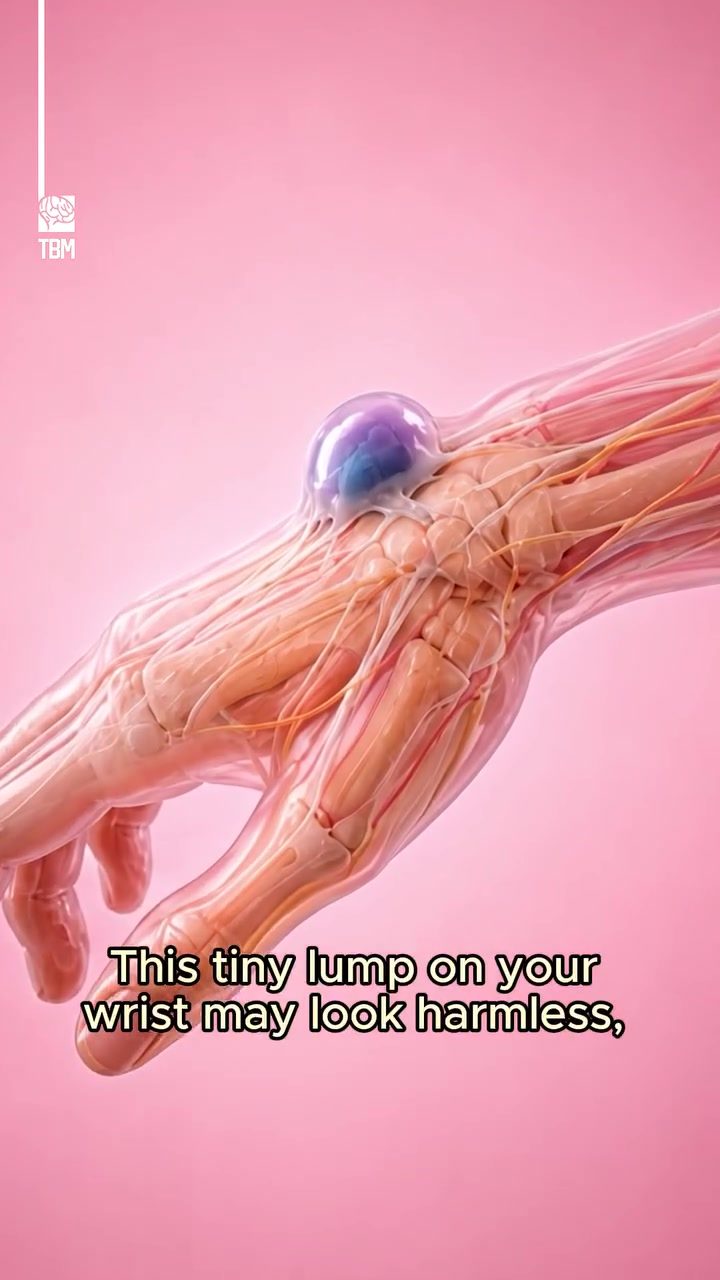
Ganglion Cysts: Understanding the Surgical Removal Process
Ganglion cysts are fluid-filled lumps that commonly form on the wrist. While they often appear harmless, they can sometimes cause discomfort or limit movement by pressing on nearby nerves or tendons. Surgical removal is a precise procedure designed to minimize recurrence and restore comfortable wrist function.
Why This Matters
Ganglion cysts can significantly impact daily activities, especially when they interfere with wrist movement. Understanding the surgical process can help individuals make informed decisions about their treatment options and what to expect during recovery.
Main Discussion
What is a Ganglion Cyst?
A ganglion cyst is a fluid-filled lump that typically develops on the wrist but can also occur on the feet, ankles, knees, and hands. These cysts are usually painless but can cause discomfort and limit movement if they press on nerves or tendons.
When Surgery is Necessary
Surgery for a ganglion cyst is considered when the cyst is causing significant discomfort, limiting movement, or affecting daily activities. The decision to undergo surgery is usually made after conservative treatments, such as aspiration or splinting, have failed to provide relief.
The Surgical Procedure
The removal of a ganglion cyst is a meticulous process that involves several key steps:
Anesthesia and Initial Incision
The procedure begins with administering a local anesthetic to numb the area, ensuring the patient remains comfortable throughout the surgery. The surgeon then makes a small incision directly over the cyst to expose it. This initial step is crucial for precise access to the cyst without damaging surrounding tissues.
Removing the Cyst
Once the cyst is exposed, the surgeon's goal is not just to drain the jelly-like fluid inside. Simply draining the fluid increases the likelihood of the cyst returning. Instead, the surgeon carefully removes the entire cyst, including the thin sac and the stalk that connects it to the nearby joint or tendon sheath. This thorough removal is essential for reducing the risk of recurrence.
Closing the Incision
After the entire cyst has been removed, the incision is closed with stitches to support proper healing. This step is vital for minimizing scarring and ensuring that the wrist recovers quickly.
Post-Surgical Care
Following surgery, it is essential to follow the surgeon's post-operative instructions. This typically includes keeping the incision clean and dry, avoiding heavy lifting or strenuous activities, and attending any follow-up appointments. Proper post-operative care helps to reduce the risk of complications and ensures the best possible recovery.
Practical Tips
Preparing for Surgery
Before surgery, it is essential to discuss the procedure with your surgeon. Make sure to understand the risks and benefits and ask any questions you may have. Preparing for the surgery by following any pre-operative instructions, such as fasting or adjusting medications, can also help ensure a smooth recovery.
Managing Pain and Discomfort
After surgery, it is normal to experience some pain and discomfort. Your surgeon may prescribe pain medications to manage any discomfort. Applying ice to the affected area can also help reduce swelling and pain. Follow your surgeon's advice on pain management to ensure a comfortable recovery.
Exercise and Rehabilitation
Once the incision has healed, your surgeon may recommend physical therapy or specific exercises to restore full range of motion and strength in the wrist. Regular exercise and rehabilitation can help ensure a complete recovery and prevent future complications.
Important Takeaways
Complete Removal is Key
Ensuring complete removal of the cyst, including the sac and stalk, is crucial for reducing the risk of recurrence. This approach gives the wrist the best chance to recover fully and restores comfortable movement.
Proper Post-Operative Care
Following post-operative instructions and attending follow-up appointments can help minimize complications and ensure a smooth recovery. Proper care during the healing process is essential for the best possible outcomes.
Recovery and Rehabilitation
Engaging in physical therapy and specific exercises can help restore wrist function and prevent future issues. Regular exercise and rehabilitation are vital components of a successful recovery.
Conclusion
Ganglion cyst removal is a precise surgical procedure that requires careful attention to detail. Understanding the process, from the initial incision to the complete removal of the cyst, can help individuals prepare for surgery and achieve the best possible outcomes. Proper post-operative care and rehabilitation are essential for a full recovery and restoring comfortable wrist movement.
Watch the Reel
Questions readers ask
What are the signs that indicate a need for surgical removal of a ganglion cyst on the wrist?
If a ganglion cyst on the wrist is causing persistent pain, limiting your movement, or affecting your daily activities, it may be time to consider surgical removal. Other signs include a noticeable lump that grows or changes in size and any indication that the cyst is pressing on nerves or tendons.
What happens during the procedure for ganglion cyst removal?
During ganglion cyst removal surgery, a small incision is made over the cyst. The surgeon then carefully removes the cyst and its connected stalk to prevent recurrence. This precise process ensures that the cyst is completely excised, promoting quicker healing and reducing the likelihood of the cyst reforming.
How long does it typically take to recover from ganglion cyst surgery?
Recovery from ganglion cyst surgery varies, but generally, patients can expect to wear a splint or cast for about 1-2 weeks. Full recovery, including regaining full strength and movement, typically takes 4-6 weeks. Following post-operative instructions and attending follow-up appointments are crucial for a smooth recovery.
What are the risks associated with ganglion cyst removal surgery?
Like any surgical procedure, ganglion cyst removal carries some risks, including infection, scarring, and nerve damage. There is also a chance that the cyst may recur, although the precise surgical technique aims to minimize this risk. It's important to discuss these potential risks with your surgeon before proceeding with the surgery.
Can a ganglion cyst on the wrist be removed without surgery?
Yes, there are non-surgical options for treating a ganglion cyst, such as aspiration (draining the fluid) or immobilization. However, these methods may not be as effective in the long term or may not prevent recurrence. Surgery is often recommended when conservative treatments fail to provide relief or when the cyst significantly impacts daily activities.
What should I expect during the recovery period after ganglion cyst surgery?
After ganglion cyst surgery, you can expect some pain and swelling, which can be managed with pain medication and elevation. You will need to keep the affected area dry and clean to prevent infection. Follow-up appointments with your surgeon will monitor your progress and ensure proper healing.
How can I prepare for ganglion cyst removal surgery?
Preparing for ganglion cyst removal surgery involves discussing your medical history and any medications you are taking with your surgeon. You may need to stop taking certain medications, such as blood thinners, before the surgery. Follow your surgeon's instructions on fasting before the procedure and arrange for someone to drive you home afterward.
Related deep dives
Similar reads based on topic and creator.


Recent articles
Fresh deep dives from the latest Reels we unpacked.




Comments
Be the first to comment.