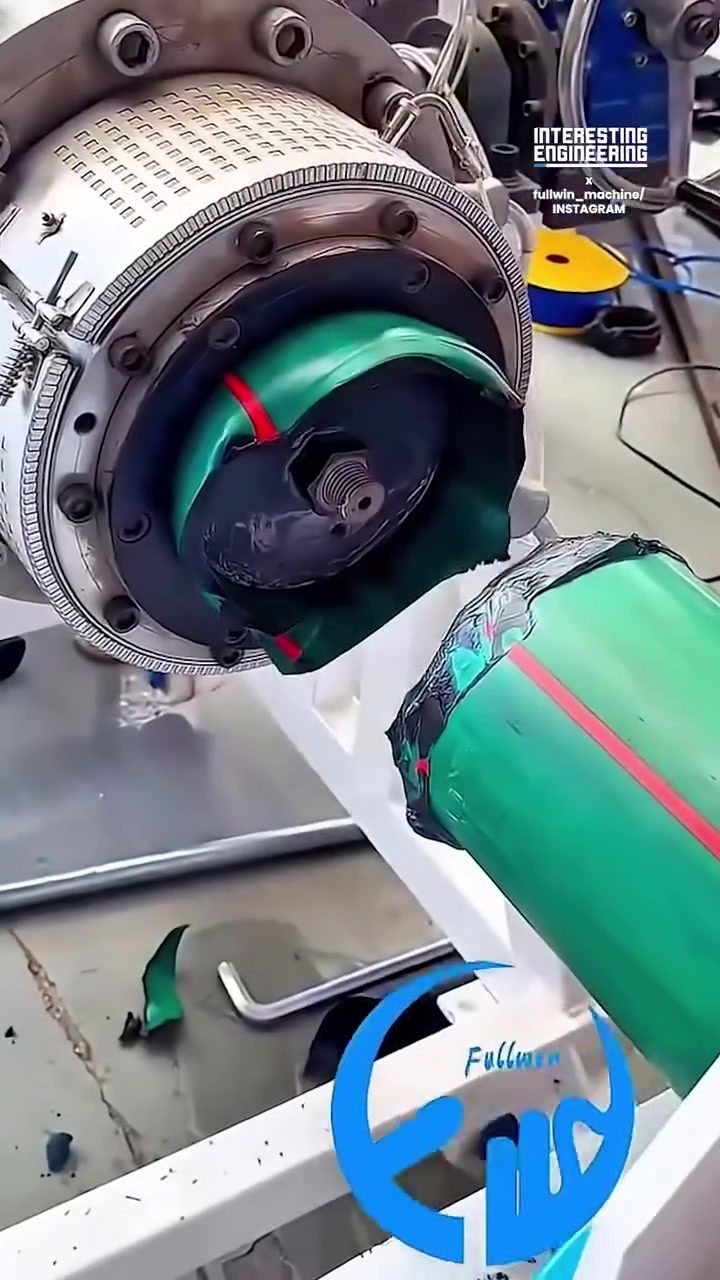
Industrial Rolling Machines
Industrial rolling machines, such as the Fullwin, are pivotal in the manufacturing of high-quality pipes. To understand their significance and functionality, let's dive into the details of the three-layer PPR pipe production line and its benefits.
Why This Matters
The three-layer PPR (polypropylene random copolymer) pipe production line is a cutting-edge technology that produces pipes with superior performance and durability. These pipes are designed to withstand high pressure, ensure hygiene, and offer cost efficiency. Understanding the production process and the benefits of these pipes is crucial for industries that rely on durable and reliable piping systems.
Understanding the Three-Layer PPR Pipe
The three-layer PPR pipe extrusion line uses a co-extrusion process to create pipes with three distinct layers. The inner and outer layers are made of virgin PPR material, which ensures high purity and chemical resistance. The middle layer is reinforced, providing the pipe with exceptional strength and stability.
The Co-Extrusion Process
The co-extrusion process is a key feature of the three-layer PPR pipe production line. This technology allows for the simultaneous extrusion of three different materials, fused into a single product. The result is a pipe with superior performance characteristics. The inner layer, made of virgin PPR, ensures that the water transported through the pipe remains hygienic and free from contaminants. The reinforced middle layer enhances the pipe's strength and stability, making it resistant to external pressures and deformations. The outer layer, also made of virgin PPR, provides additional protection and durability.
Main Discussion
Strength and Durability
The three-layer PPR pipe is designed to withstand high pressure, making it suitable for various applications, including water supply, gas supply, and sewage systems. The reinforced middle layer ensures that the pipe maintains its structural integrity even under extreme conditions. This durability makes the three-layer PPR pipe an ideal choice for industries that require reliable and long-lasting piping solutions.
Hygiene and Water Quality
One of the standout features of the three-layer PPR pipe is its hygienic properties. The virgin PPR material used in the inner and outer layers prevents the contamination of the water transported through the pipe. This ensures that the water remains safe and clean, making the three-layer PPR pipe a preferred choice for water supply systems.
Cost Efficiency
In addition to its strength and hygienic properties, the three-layer PPR pipe also offers cost efficiency. The use of a reinforced middle layer reduces the amount of material required for the pipe, leading to significant cost savings. Furthermore, the durability of the pipe means that it requires less maintenance and replacement, further reducing long-term costs. The automated production process also contributes to cost efficiency, as it minimizes the need for manual labor and reduces the risk of human error.
Stable Diameter Control
The three-layer PPR pipe production line ensures stable diameter control, which is essential for maintaining the pipe's performance and reliability. The automated process allows for precise control over the pipe's dimensions, ensuring that it meets the required specifications. This consistency in diameter is crucial for the pipe's functionality and ensures that it fits seamlessly into various piping systems.
Practical Tips
Maintenance and Installation
To ensure the longevity and performance of three-layer PPR pipes, proper maintenance and installation practices are essential. Follow these tips for optimal results:
- Proper Handling: Handle the pipes with care during installation to avoid any damage to the layers. Use appropriate tools and techniques to ensure that the pipes are installed correctly.
- Regular Inspections: Conduct regular inspections to check for any signs of wear or damage. Early detection of issues can prevent more significant problems in the future.
- Follow Manufacturer Guidelines: Always follow the manufacturer's guidelines for installation and maintenance. This will ensure that the pipes are used and maintained correctly, maximizing their lifespan and performance.
Choosing the Right Pipe
When selecting a three-layer PPR pipe for your application, consider the following factors:
- Application Requirements: Ensure that the pipe meets the specific requirements of your application, such as pressure resistance, temperature resistance, and chemical compatibility.
- Quality: Choose a pipe from a reputable manufacturer to ensure high quality and performance. Look for certifications and standards that the pipe meets.
- Cost: Consider the long-term cost of the pipe, including installation, maintenance, and replacement. While the initial cost may be higher, the long-term savings on maintenance and replacement can make it a more cost-effective choice.
Important Takeaways
Three-layer PPR pipes offer a range of benefits, including high pressure resistance, hygienic water transport, material savings, and consistent pipe quality. These pipes are ideal for industries that require durable and reliable piping solutions. The co-extrusion process used in the production of these pipes ensures that they have superior performance characteristics, making them a preferred choice for various applications.
Conclusion
Three-layer PPR pipes produced by industrial rolling machines, such as the Fullwin, are a game-changer in the piping industry. Their strength, durability, hygienic properties, and cost efficiency make them an ideal choice for various applications. By understanding the production process, benefits, and maintenance requirements of these pipes, you can make informed decisions and ensure reliable and long-lasting piping solutions.
Watch the Reel
Questions readers ask
What makes Fullwin's three-layer PPR pipe production unique?
Fullwin's three-layer PPR pipe production is unique due to its state-of-the-art process that combines three distinct layers to enhance the pipe's overall performance. This method ensures superior durability, high-pressure resistance, and maintains hygiene, making it ideal for industrial piping needs.
How does the three-layer structure benefit the PPR pipes?
The three-layer structure in Fullwin's PPR pipes provides reinforced durability and strength. The outer layer offers protection against external impacts, the middle layer ensures structural integrity, and the inner layer maintains hygienic conditions, making the pipes suitable for various industrial applications.
Can Fullwin's PPR pipes withstand high-pressure environments?
Yes, Fullwin's three-layer PPR pipes are engineered to withstand high-pressure environments. The advanced production process and reinforced layers make these pipes capable of handling significant pressure, ensuring reliable performance in demanding industrial settings.
What are the cost benefits of using Fullwin's PPR pipes?
Fullwin's PPR pipes offer significant cost benefits due to their durability and longevity. The pipes require minimal maintenance and have a long service life, reducing the need for frequent replacements. Additionally, the efficient production process ensures cost-effective manufacturing, making them a cost-efficient choice for large-scale piping needs.
How does the extrusion process enhance the quality of Fullwin's PPR pipes?
The extrusion process in Fullwin's three-layer PPR pipe production ensures uniform layering and consistent quality. This method allows for precise control over the pipe's dimensions and structural integrity, resulting in pipes that are reliable, durable, and capable of withstanding high pressure and environmental stressors.
Are Fullwin's PPR pipes suitable for large-scale industrial projects?
Yes, Fullwin's PPR pipes are highly suitable for large-scale industrial projects. The efficient production process allows for large-scale manufacturing, ensuring a consistent supply of high-quality pipes. Their durability, high-pressure resistance, and cost-efficiency make them an ideal choice for extensive industrial piping systems.
What role do industrial rolling machines play in the production of Fullwin's PPR pipes?
Industrial rolling machines, such as the Fullwin, are crucial in the production of PPR pipes. These machines ensure precise and uniform shaping of the pipe layers during the extrusion process. This precision is vital for maintaining the structural integrity and performance of the pipes, making them reliable for various industrial applications.
Recent articles
Fresh deep dives from the latest Reels we unpacked.




Comments
Be the first to comment.