Nourishing Your Organs: Food as Fuel
The foods you consume do more than just satisfy hunger; they provide the fuel your body needs to function optimally, support specific organs, and maintain overall health. By incorporating the right nutrient-rich foods into your diet, you can support various organs and systems, promoting better energy, focus, recovery, and longevity.
Context: The Body's Built-In Healing Mechanisms
Your body has an incredible capacity to heal and maintain itself. However, it relies on proper nutrition to perform these functions effectively. The right fuel can significantly enhance your body's ability to recover from stress, support organ health, and promote longevity. Think of food as medicine: it can either support your body or work against it. The choice is yours.
Food and Organ Health
Lung Health
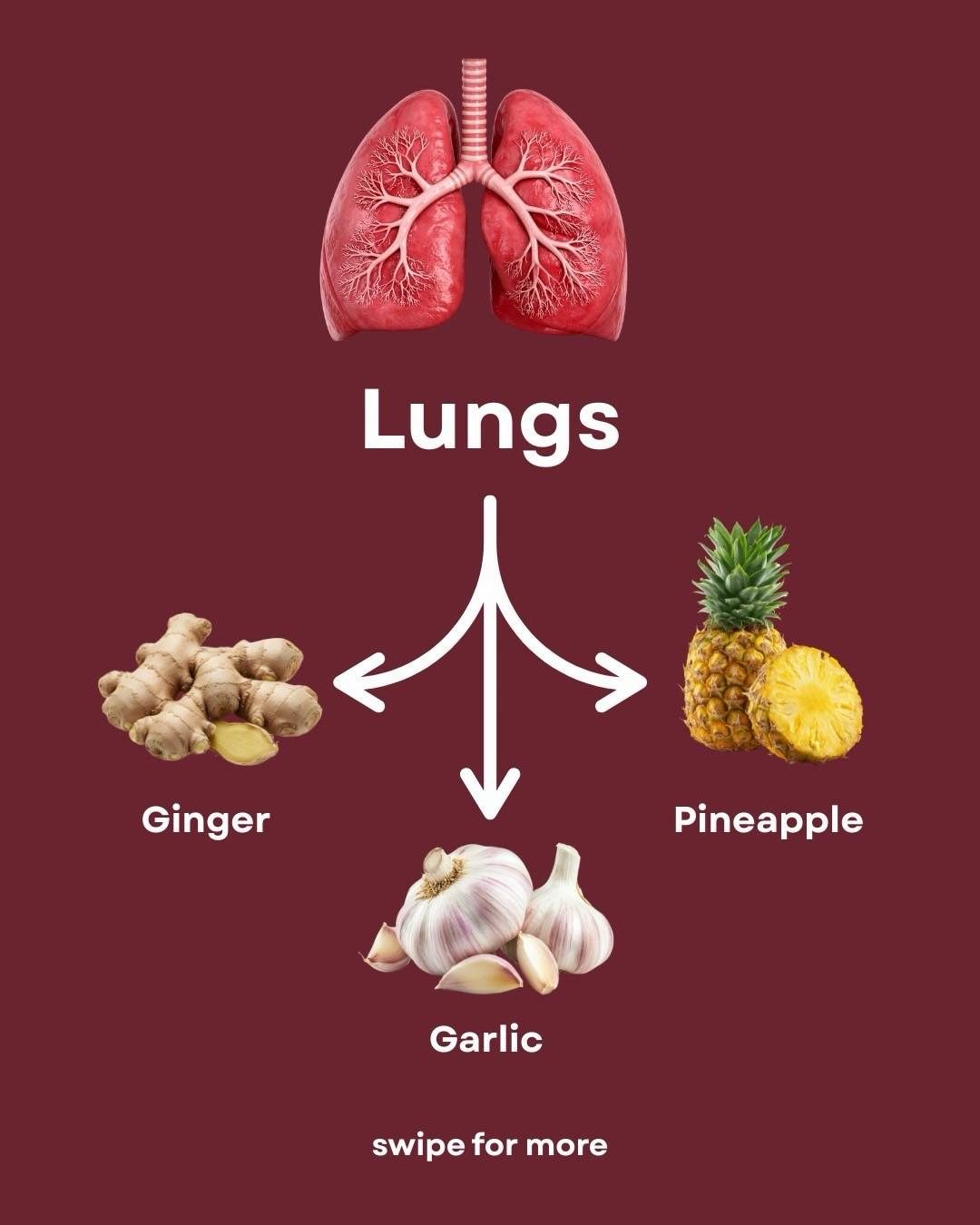
Foods like ginger, pineapple, and garlic have long been recognized for their benefits to lung health. Ginger contains compounds that help reduce inflammation and support respiratory health. Pineapple is rich in bromelain, an enzyme that can help reduce mucus and inflammation in the lungs. Garlic, known for its antiviral and antibacterial properties, can help support the immune system and protect against respiratory infections.
Blood Health
Beetroot, pomegranate, and garlic are excellent choices for maintaining healthy blood circulation. Beetroot is rich in nitrates, which convert into nitric oxide in the body, helping to relax blood vessels and improve blood flow. Pomegranate is packed with antioxidants that protect blood vessels and reduce the risk of heart disease. Garlic's anti-inflammatory properties also contribute to better cardiovascular health.
Gut Health
A healthy gut is essential for overall well-being. Foods like cucumber, green apple, and aloe vera can support digestive health. Cucumbers are rich in water and fiber, which help promote regular bowel movements and hydration. Green apples contain pectin, a type of fiber that can help regulate digestion and support a healthy gut microbiome. Aloe vera has anti-inflammatory properties that can help soothe and heal the digestive tract.
Eye Health
Carrots, sweet potatoes, and broccoli are well-known for their benefits to eye health. These vegetables are rich in vitamins A and C, as well as antioxidants, which help protect the eyes from damage and support healthy vision. Carrots, in particular, are high in beta-carotene, which the body converts into vitamin A, essential for maintaining good eyesight.
Brain Health
Walnuts, blueberries, and turmeric are beneficial for brain health. Walnuts are high in omega-3 fatty acids, which support brain function and cognitive health. Blueberries are packed with antioxidants that can help protect brain cells from damage and improve memory. Turmeric contains curcumin, a compound known for its anti-inflammatory and antioxidant properties, which can help support brain health and reduce the risk of age-related cognitive decline.
Food as Medicine: A Sustainable Approach
When selecting foods, consider their overall nutritional value rather than focusing on individual nutrients. Whole foods, like the ones mentioned above, provide a range of vitamins, minerals, and antioxidants that work synergistically to support your body. It's not about magic or hype; it's about consistent, daily choices that compound over time. By incorporating these foods into your diet regularly, you can support your body's natural healing processes and promote long-term health.
The Workit App: Holistic Health and Fitness
The Workit app takes a holistic approach to health and fitness, focusing on more than just workouts. The app provides a comprehensive platform that helps users move better, eat smarter, and build habits that support their bodies in the long term. Workit emphasizes the importance of daily upgrades—small, consistent changes that can lead to significant improvements over time. By staying accountable and earning rewards for showing up, users can maintain their health and wellness journey with greater ease.
Data-Driven Nutrition Insights
Workit offers data-driven nutrition insights that help users make informed decisions about their diet. The app tracks daily goals, calculates calorie and macro targets, and provides a daily macro breakdown. By offering a clear picture of nutritional needs, the app helps users stay on track with their dietary goals and make sustainable choices.
Integration of Workouts and Financial Rewards
Workit integrates workouts with financial rewards, providing an extra incentive for users to stay committed to their fitness journey. The app's fitness and financial incentive program converts workouts into real money, making it easier for users to stay motivated and engaged. This unique approach combines the benefits of regular exercise with financial rewards, making it a practical solution for those looking to improve their health and lifestyle.
Practical Tips for Incorporating Organ-Supporting Foods
Incorporating organ-supporting foods into your diet doesn't have to be complicated. Here are some practical tips to help you get started:
Plan Your Meals
Meal planning can help you ensure that you're consuming a variety of nutrient-rich foods. Set aside time each week to plan your meals, focusing on incorporating foods that support specific organs and systems. This approach can help you stay on track and make healthier choices throughout the week.
Stock Up on Whole Foods
Stock your kitchen with whole, nutrient-dense foods. This includes fruits, vegetables, whole grains, lean proteins, and healthy fats. Having these ingredients on hand makes it easier to prepare nutritious meals and snacks, supporting your overall health and well-being.
Experiment with Recipes
Getting creative in the kitchen can make eating healthier foods more enjoyable. Experiment with new recipes that incorporate organ-supporting foods. Whether you're trying out a new smoothie recipe, a hearty salad, or a delicious stir-fry, there are countless ways to incorporate these foods into your diet.
Stay Hydrated
Hydration is essential for maintaining overall health. Make sure to drink plenty of water throughout the day, as it helps support digestion, nutrient absorption, and overall bodily functions. Staying hydrated can enhance the benefits of the nutrient-rich foods you consume.
Important Takeaways
Your body's ability to heal and maintain itself depends on the fuel you provide it. By choosing whole, nutrient-rich foods that support specific organs and systems, you can enhance your overall health and well-being. Whole foods like ginger, pineapple, garlic, beetroot, pomegranate, cucumber, green apple, aloe vera, carrots, sweet potatoes, broccoli, walnuts, blueberries, and turmeric offer a range of benefits that can support lung, blood, gut, eye, and brain health.
Resources like the Workit app can provide valuable insights and support on your health and fitness journey. By staying accountable, earning rewards, and making consistent, sustainable choices, you can achieve long-term health and wellness.
Conclusion
Your diet plays a crucial role in supporting your body's natural healing processes and promoting overall health. By incorporating nutrient-rich foods into your diet and using tools like the Workit app, you can enhance your energy, focus, recovery, and longevity. Small upgrades, every day, can lead to significant improvements in your health and well-being.
Watch the Reel
Questions readers ask
What are the best foods for enhancing lung health?
Foods rich in antioxidants, vitamins, and minerals can significantly boost lung health. Incorporate foods like garlic for its anti-inflammatory properties, and foods high in Vitamin C, such as citrus fruits, berries, and leafy greens. Additionally, omega-3 fatty acids found in fish like salmon and mackerel can reduce inflammation, supporting better lung function.
How can I naturally improve my eyesight through diet?
To naturally support eye health, focus on consuming foods rich in lutein, zeaxanthin, and vitamin A. Leafy greens like spinach and kale, as well as colorful fruits and vegetables, are excellent sources. Foods rich in omega-3 fatty acids, like fatty fish and walnuts, can also promote eye health and reduce the risk of age-related macular degeneration.
What are some key nutrients for promoting gut health?
Prebiotics, probiotics, and fiber are crucial for maintaining a healthy gut. Foods rich in these nutrients include yogurt with live cultures, sauerkraut, kimchi, whole grains, and high-fiber fruits and vegetables. Ginger can also support gut health due to its anti-inflammatory properties and ability to soothe the digestive system.
Can specific foods boost lung function?
Yes, certain foods can enhance lung function. Foods high in antioxidants, such as berries and colorful fruits and vegetables, can help reduce inflammation and oxidative stress in the lungs. Additionally, foods rich in Vitamin A, like carrots and sweet potatoes, and those high in Vitamin C, such as oranges and bell peppers, can support lung health and function.
What dietary changes can improve eye health naturally?
To improve eye health naturally, incorporate more foods rich in carotenoids, such as lutein and zeaxanthin. Foods like leafy greens, carrots, and citrus fruits are excellent choices. Additionally, foods high in Vitamin E, such as almonds and sunflower seeds, can support eye health by protecting the eyes from harmful free radicals.
What are the benefits of ginger for gut health?
Ginger has been shown to support gut health by calming inflammation and soothing the digestive system. It can help alleviate symptoms of nausea, indigestion, and stomach discomfort. Ginger can also promote better digestion and support the growth of beneficial gut bacteria.
Are there specific foods that can improve both gut and lung health?
Yes, some foods support both gut and lung health due to their anti-inflammatory properties. Foods rich in antioxidants, such as berries and leafy greens, can reduce inflammation in both the gut and lungs. Additionally, consuming foods high in omega-3 fatty acids, like fish and flaxseeds, can support both organ systems by reducing inflammation and promoting overall health.
Recent articles
Fresh deep dives from the latest Reels we unpacked.




Comments
Be the first to comment.