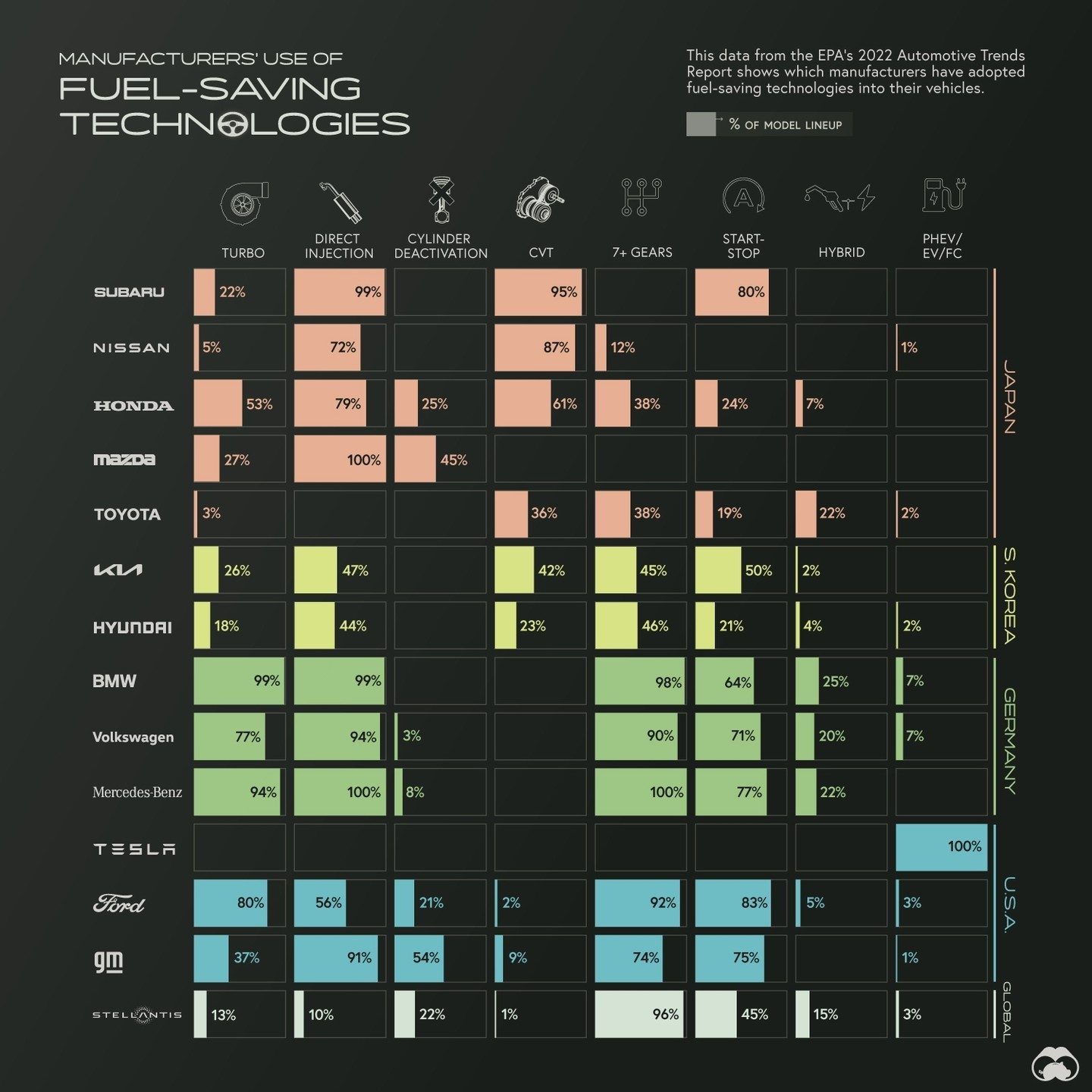
Automotive Fuel-Saving Technologies
Fuel-saving technologies have become a cornerstone of modern automotive innovation. Over the past few decades, automakers have invested significantly in developing and implementing various technologies designed to enhance fuel efficiency and reduce emissions. These advancements not only help car manufacturers meet stringent environmental regulations but also cater to the growing demand for more eco-friendly vehicles.
Context / Why this matters
The adoption of fuel-saving technologies is crucial for several reasons. Firstly, it helps in reducing the carbon footprint of vehicles, which is essential for combating climate change. Secondly, it leads to cost savings for consumers by lowering fuel consumption. Lastly, it aligns with global initiatives aimed at transitioning to more sustainable forms of transportation.
Main discussion
Direct Injection
Direct injection is one of the most widely adopted fuel-saving technologies. This system injects fuel directly into the combustion chamber, allowing for more precise control over the fuel-air mixture. This precision results in better fuel efficiency and reduced emissions. According to the EPA's 2022 Automotive Trends Report, Volkswagen leads the market with a 94% adoption rate of direct injection technology. Other notable adopters include Toyota and Honda, both known for their commitment to fuel efficiency.
Cylinder Deactivation
Cylinder deactivation is another technology that has gained traction among automakers. This feature allows the engine to shut down certain cylinders when they are not needed, thereby reducing fuel consumption. It is particularly effective in vehicles with larger engines that benefit from partial engine shutdowns. Manufacturers like Subaru and Ford have significantly adopted this technology, making it a standard feature in many of their models.
Auto Start-Stop
The auto start-stop feature is designed to reduce fuel consumption during idle periods. This system automatically shuts off the engine when the vehicle comes to a stop and restarts it when the driver releases the brake pedal. It is especially effective in urban driving conditions where frequent stops are common. Tesla has fully embraced this technology, with a 100% adoption rate, while other companies like BMW and Mercedes-Benz have also made significant strides in integrating start-stop systems into their vehicles.
Hybrid and Electric Vehicles (PHEV/EV/FC)
Hybrid and electric vehicles (PHEV/EV/FC) represent the future of automotive fuel-saving technologies. These vehicles use a combination of electric motors and internal combustion engines to achieve superior fuel efficiency. Ford and Chevrolet (part of GM) have been significant adopters of hybrid and electric technologies, with GM boasting a 96% adoption rate of CVT (Continuously Variable Transmission) technology, which is often paired with hybrid systems for optimal performance.
Transmission Technologies
Continuously Variable Transmission (CVT) and engines with 7+ gears are also important elements in the arsenal of fuel-saving technologies. CVT allows for seamless gear shifts, improving fuel efficiency and reducing emissions. Similarly, engines with 7 or more gears provide a wider range of gear ratios, allowing the engine to operate at its most efficient RPM for any given speed. Companies like Tesla and Nissan have heavily invested in these technologies, with Tesla leading the way in electric vehicle (EV) technology and Nissan making significant strides with their CVT systems.
Practical Tips
If you're in the market for a fuel-efficient vehicle, consider the following tips to make the most informed decision:
-
Research Adoption Rates: Look for manufacturers that have high adoption rates of the aforementioned technologies. This information is often available in automotive trends reports and reviews.
-
Check for Certifications: Look for certifications and ratings from organizations like the Environmental Protection Agency (EPA) and the Department of Energy. These ratings can provide insights into a vehicle's fuel efficiency and environmental impact.
-
Consider Long-Term Savings: While fuel-saving technologies may increase the upfront cost of a vehicle, they can lead to significant long-term savings on fuel. Factor these savings into your decision-making process.
-
Hybrid and Electric Options: If possible, opt for hybrid or electric vehicles. These technologies offer the highest levels of fuel efficiency and are increasingly becoming more affordable.
Important Takeaways
The automotive industry is undergoing a transformative shift towards more fuel-efficient and environmentally friendly technologies. Key takeaways include:
- Direct injection, cylinder deactivation, and auto start-stop features are widely adopted and essential for improving fuel efficiency.
- Hybrid and electric vehicles (PHEV/EV/FC) are the future, offering the highest levels of fuel savings and environmental benefits.
- Leading automakers like Volkswagen, Tesla, and GM have made significant investments in these technologies, setting benchmarks for the industry.
Conclusion
The adoption of fuel-saving technologies is not just a trend but a necessity in the modern automotive landscape. From direct injection and cylinder deactivation to hybrid and electric vehicles, these innovations are reshaping the way we think about transportation. As consumers, it's essential to stay informed about these advancements and make choices that align with both our needs and the broader goal of creating a more sustainable future. Whether you're a car enthusiast or simply looking to upgrade your vehicle, understanding these technologies can help you make a more informed and environmentally conscious decision.
Watch the Reel
Questions readers ask
What is direct fuel injection and how does it improve fuel efficiency?
Direct fuel injection is a technology where fuel is sprayed directly into the combustion chamber of the engine. This method allows for more precise control over the fuel-air mixture, leading to better combustion and reduced fuel consumption. As a result, vehicles equipped with direct fuel injection often achieve higher miles per gallon (MPG) ratings.
How does cylinder deactivation work in enhancing fuel efficiency?
Cylinder deactivation temporarily shuts down some of the engine's cylinders when full power is not required. This reduces the amount of fuel used and decreases the engine's workload, thereby improving fuel efficiency. The technology is particularly useful in vehicles with larger engines, as it can significantly lower fuel consumption during highway driving or cruising.
What are auto start-stop features and their benefits?
Auto start-stop features automatically turn off the engine when the vehicle comes to a stop, such as at a traffic light, and restart it when the driver presses the accelerator. This technology is beneficial because it reduces the amount of fuel wasted during idling, which can lead to substantial savings in fuel consumption, especially in urban driving conditions.
Which automakers are leading in fuel-saving technologies?
Several automakers are at the forefront of fuel-saving technologies. Japanese brands like Subaru and Toyota have developed a range of innovations, including hybrid and electric vehicle technologies. German automakers such as BMW and Mercedes-Benz focus on advanced engine technologies and lightweight materials. In the USA, Ford and GM invest heavily in hybrid and electric powertrains, while Korean manufacturers like Hyundai and Kia are known for their fuel-efficient engines and hybrid models.
What is the impact of fuel-saving technologies on vehicle performance?
Fuel-saving technologies generally do not compromise vehicle performance. In fact, many of these innovations, such as direct fuel injection and turbocharging, can enhance engine power and responsiveness. Modern engines equipped with these technologies often provide a balance between improved fuel efficiency and robust performance, ensuring that drivers do not have to sacrifice power for savings.
How do these technologies help consumers save money on fuel costs?
By improving fuel efficiency, these technologies directly reduce the amount of fuel a vehicle consumes. This means drivers spend less money on gasoline or diesel, especially over the long term, making these technologies a cost-effective choice. Additionally, some governments offer tax incentives or rebates for vehicles with high fuel efficiency ratings, further contributing to consumer savings.
Are there any maintenance considerations for vehicles equipped with fuel-saving technologies?
Vehicles with advanced fuel-saving technologies may require specific maintenance practices to ensure optimal performance. For example, direct fuel injection systems need regular fuel system cleanings to prevent buildup and maintain efficiency. Regular servicing and using high-quality fuel can also help extend the lifespan and effectiveness of these technologies, ensuring continuous fuel savings and performance benefits.
Recent articles
Fresh deep dives from the latest Reels we unpacked.




Comments
Be the first to comment.