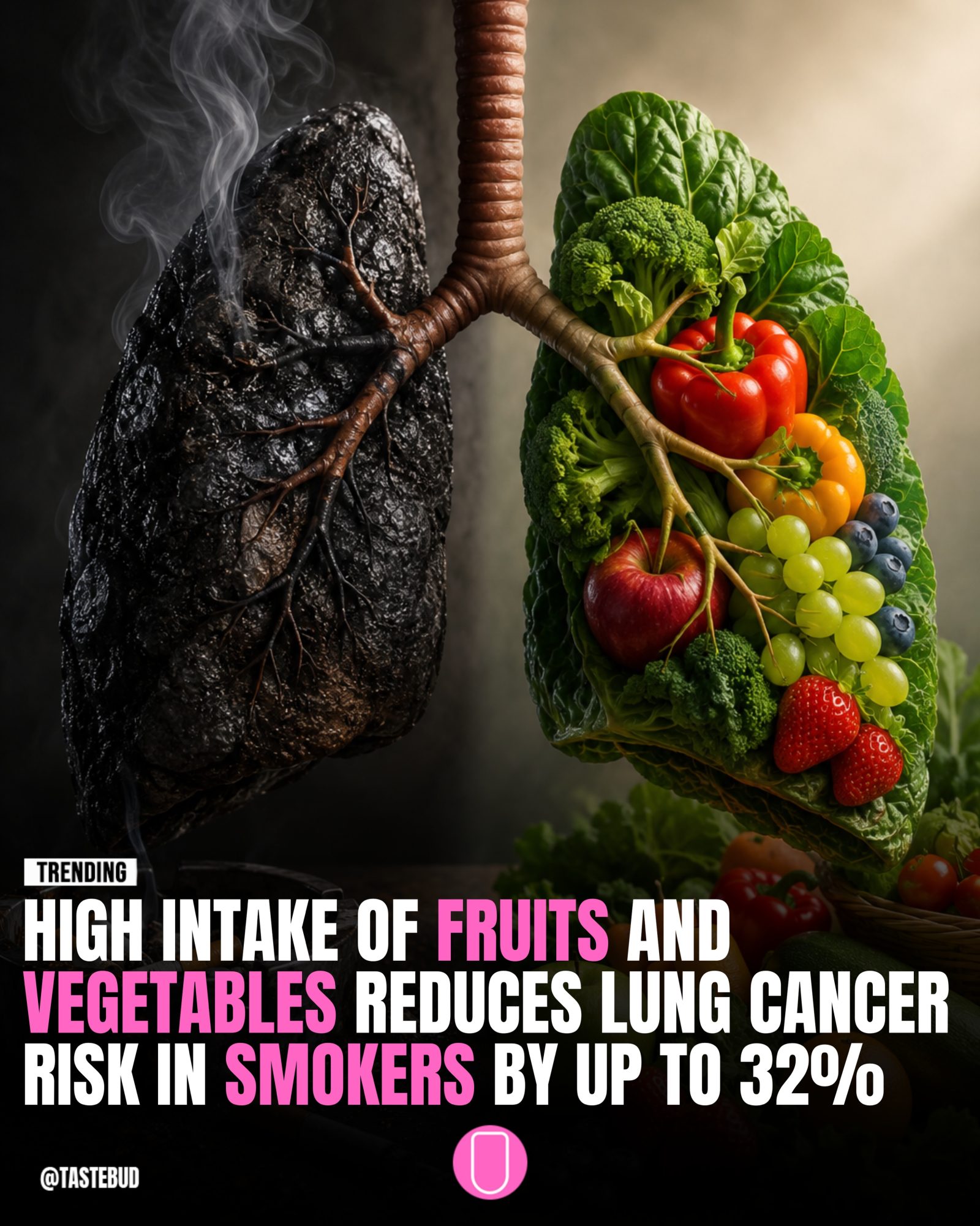
Healthy Eating & Lung Cancer Risk
Taking steps to promote lung health is crucial, and diet plays a significant role. While there is no substitute for avoiding tobacco, including more fruits and vegetables in your diet can make a difference. These foods are rich in compounds like vitamin C, carotenoids, and antioxidants, which help the body combat oxidative stress and support overall cell health. Research suggests that these dietary choices can reduce the risk of lung-related diseases.
Research shows that consuming more fruits and vegetables can lower the risk of lung-related diseases. Moreover, the benefits go beyond general lung health—they can reduce the risk of lung cancer. High intake of fruits and vegetables is particularly beneficial for smokers, reducing their risk of lung cancer by up to 32%.
Context / Why this matters
Lung cancer is one of the most deadly forms of cancer worldwide. Understanding how diet can influence lung health is important for prevention. While avoiding tobacco is the most effective way to reduce lung cancer risk, diet can be a powerful adjunct. For current and former smokers, integrating more fruits and vegetables into their diet can offer significant benefits.
The Role of Fruits and Vegetables
Fruits and vegetables are packed with essential nutrients that support overall health and lung function. The compounds found in these foods—such as vitamin C, carotenoids, and antioxidants—help the body fight oxidative stress. Oxidative stress occurs when there is an imbalance between free radicals and antioxidants in the body, leading to cell damage. By consuming more fruits and vegetables, you can boost your body's ability to neutralize these harmful compounds and maintain cell health.
Vitamin C
Vitamin C is a potent antioxidant found in many fruits and vegetables. It helps to protect cells from oxidative damage, supports immune function, and aids in the absorption of other essential nutrients. Foods rich in vitamin C include citrus fruits, berries, bell peppers, and broccoli.
Carotenoids
Carotenoids are another group of compounds found in fruits and vegetables, particularly in orange and yellow varieties. They play a crucial role in maintaining lung health by protecting against oxidative damage. Foods high in carotenoids include carrots, sweet potatoes, spinach, and kale.
Antioxidants
Antioxidants are compounds that help neutralize free radicals, which can damage cells and contribute to the development of chronic diseases, including lung cancer. Fruits and vegetables are rich in various antioxidants, such as flavonoids and polyphenols. Examples of foods high in antioxidants include blueberries, strawberries, cherries, and dark leafy greens like spinach and kale.
Practical tips
Incorporate a Variety of Fruits and Vegetables
Aim to include a wide variety of fruits and vegetables in your diet to ensure you get a broad range of nutrients. This can be easily achieved by including a colorful mix of produce in your meals. For example, you can add berries to your breakfast, a side of mixed greens to your lunch, and a serving of bell peppers and carrots to your dinner.
Choose Whole Foods
Whole foods, such as fresh fruits and vegetables, are more nutritious than processed foods. They contain higher levels of essential nutrients and fewer additives. Opt for whole foods in their natural state and try to minimize processed and packaged foods.
Increase Your Intake Gradually
If you're not used to eating a lot of fruits and vegetables, it's best to increase your intake gradually. This will give your body time to adjust and help you develop a taste for these healthy foods. Start by adding one or two extra servings of fruits and vegetables to your daily meals and gradually increase from there.
Experiment with Recipes
Adding more fruits and vegetables to your diet doesn't have to be boring. Experiment with different recipes and cooking methods to keep your meals interesting. Try roasting vegetables, blending them into smoothies, or incorporating them into soups and stews.
Important takeaways
While adding more fruits and vegetables to your diet can reduce the risk of lung-related diseases, it's important to remember that these foods are not a shield against high-risk factors. Avoiding tobacco is still the most effective way to reduce lung cancer risk. However, small dietary changes can make a difference over time. Incorporating whole foods into your diet can help support overall lung health and improve your body's ability to fight oxidative stress.
Conclusion
Maintaining lung health is essential for overall well-being, and diet plays a crucial role. By including more fruits and vegetables in your meals, you can lower your risk of lung-related diseases and support your body's natural defenses. While these dietary changes are not a substitute for avoiding tobacco, they can significantly improve your lung health over time. Make small, sustainable changes to your diet and watch the benefits unfold.
Watch the Reel
Questions readers ask
How does consuming fruits and vegetables help lower lung cancer risk for smokers?
Fruits and vegetables are packed with vital nutrients like vitamin C, carotenoids, and antioxidants. These compounds help the body fight against oxidative stress, which can damage lung cells. For smokers, a diet rich in these foods can lower the risk of lung cancer by up to 32%.
Which specific fruits and vegetables are best for promoting lung health?
While all fruits and vegetables contribute to lung health, those rich in vitamin C, carotenoids, and antioxidants are particularly beneficial. These include citrus fruits, berries, leafy greens, carrots, and bell peppers. Incorporating a variety of these into your diet ensures a broad spectrum of nutrients.
Can a healthy diet alone prevent lung cancer, especially in smokers?
While a healthy diet significantly contributes to lung health and reduces lung cancer risk, it is not a sole preventative measure, especially for smokers. The best approach is to avoid tobacco smoke entirely. However, a diet high in fruits and vegetables can complement this by supporting overall lung health and reducing the risk of lung cancer.
How does oxidative stress impact lung health and cancer risk?
Oxidative stress occurs when there is an imbalance between free radicals and antioxidants in the body. This imbalance can damage lung cells, increasing the risk of lung cancer. The nutrients in fruits and vegetables help combat oxidative stress by neutralizing free radicals, thereby promoting lung health.
What are the key nutrients found in fruits and vegetables that support lung health?
The key nutrients found in fruits and vegetables that support lung health include vitamin C, carotenoids, and various antioxidants. These compounds work together to strengthen the lungs, repair damaged cells, and maintain overall lung function.
How much fruit and vegetables should a smoker consume to lower lung cancer risk?
Research indicates that a high intake of fruits and vegetables can significantly reduce lung cancer risk for smokers. Aiming for at least 5-9 servings per day is a good benchmark. However, any increase in fruit and vegetable consumption will offer some benefit.
Related deep dives
Similar reads based on topic and creator.



Recent articles
Fresh deep dives from the latest Reels we unpacked.




Comments
Be the first to comment.