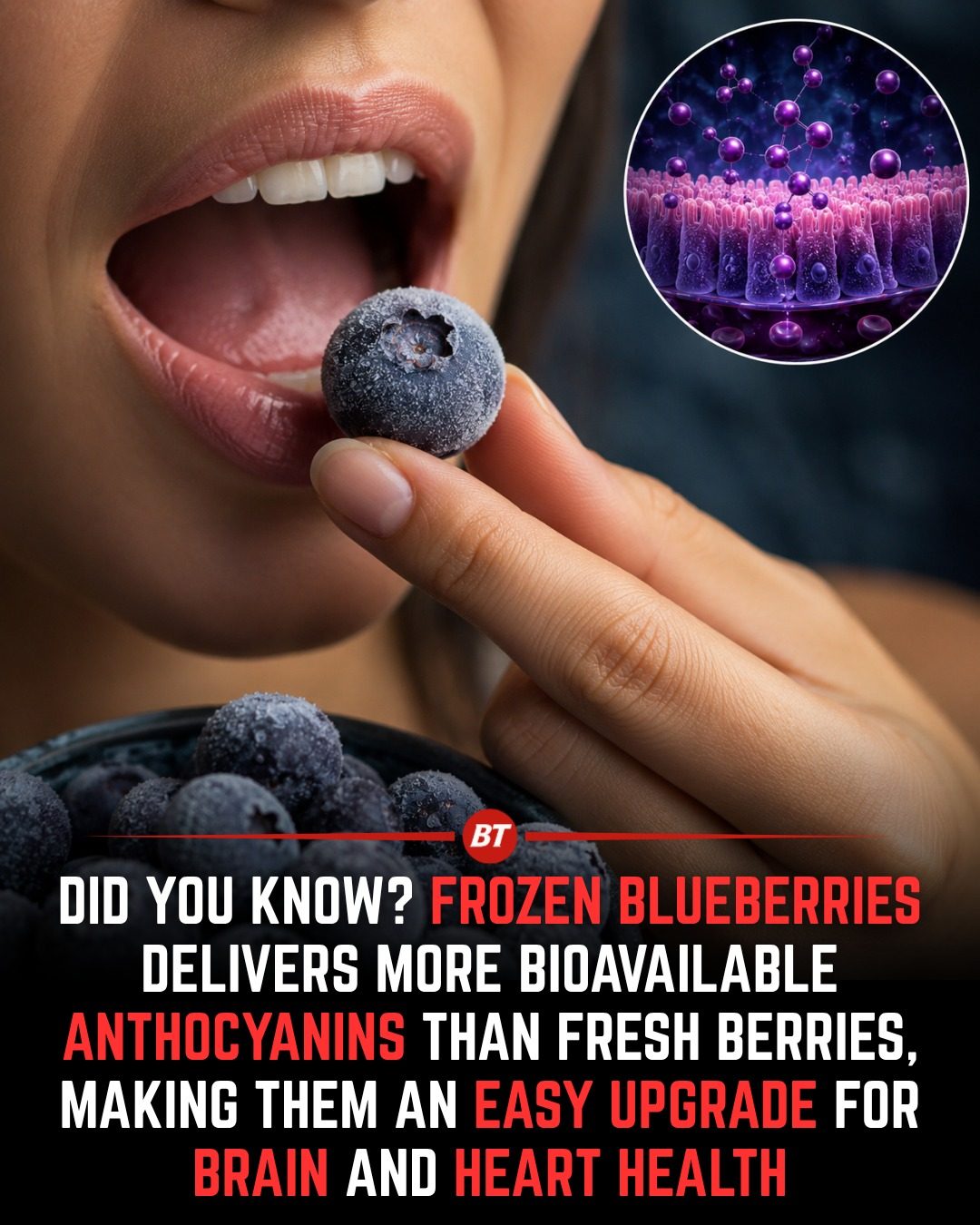
Frozen Blueberries and Their Health Benefits
Blueberries are celebrated for their rich content of anthocyanins, powerful antioxidants that support various aspects of health. The deep blue and purple pigments in these berries have been extensively researched for their roles in enhancing brain function, heart health, circulation, and overall healthy aging. What's surprising is that the freezing process can actually enhance the availability of these beneficial compounds, making frozen blueberries a convenient and nutrient-rich option.
Why This Matters
The notion that frozen blueberries might offer even more health benefits than their fresh counterparts is intriguing. Understanding the science behind this can empower individuals to make informed choices about their diet. By knowing the advantages of frozen blueberries, consumers can optimize their intake of antioxidants, which are crucial for maintaining good health.
Main Discussion
The Science Behind Frozen Blueberries
Anthocyanins: The Powerhouse Compounds
Anthocyanins are the pigments that give blueberries their distinctive color. These compounds are known for their antioxidant properties, which help protect cells from oxidative stress. By neutralizing harmful free radicals, anthocyanins can mitigate damage to cells and improve communication between brain cells. This is particularly beneficial for maintaining cognitive function and overall brain health.
The Impact of Freezing
The freezing process might enhance the bioavailability of anthocyanins in blueberries. When blueberries are frozen, the cell walls break down, making it easier for the body to access and absorb these beneficial compounds during digestion. This means that frozen blueberries can deliver a concentrated dose of antioxidants, which supports brain and heart health.
Retaining Nutrient Content
Studies, including those published in journals such as Food Chemistry, have shown that anthocyanins remain remarkably stable during the freezing process. This stability ensures that frozen blueberries retain their antioxidant content, allowing them to deliver many of the same health benefits as fresh berries, year-round. This makes frozen blueberries a practical and affordable way to increase antioxidant intake.
Health Benefits of Blueberries
Brain Health
Regular consumption of blueberries has been linked to improvements in memory and cognitive performance. The antioxidants in blueberries help protect brain cells from oxidative stress, which can lead to better cognitive function and a reduced risk of neurodegenerative diseases.
Heart Health
In addition to supporting brain health, the antioxidants in blueberries have been shown to improve blood vessel function and cardiovascular health. By protecting the heart and promoting better circulation, blueberries can contribute to overall cardiovascular health.
Healthy Aging
The benefits of blueberries extend to healthy aging. The antioxidants in these berries help protect cells from damage, which can slow down the aging process. This makes blueberries a valuable addition to any diet focused on longevity and overall well-being.
Practical Tips
Incorporating frozen blueberries into your diet is easy and versatile. Here are a few practical tips to help you get the most out of these nutrient-rich berries:
Smoothies and Protein Shakes
Add a handful of frozen blueberries directly to your smoothies or protein shakes. This not only enhances the flavor but also provides a concentrated dose of antioxidants. Frozen blueberries can act as natural ice cubes, making your drink colder and more refreshing.
Oatmeal and Yogurt
Sprinkle frozen blueberries on your oatmeal or mix them into your yogurt. The freezing process can make the berries easier to blend, creating a smooth and creamy texture. This is a great way to add a burst of flavor and nutrients to your breakfast or snack.
Baking and Desserts
Frozen blueberries can be used in a variety of baked goods and desserts. Whether you're making muffins, pancakes, or a fruit salad, adding frozen blueberries can boost the nutritional content of your dish. The freezing process helps retain the berries' natural juices, ensuring a moist and flavorful result.
Important Takeaways
- Frozen Blueberries Offer More Bioavailable Anthocyanins: Freezing can break down the cell walls in blueberries, making the antioxidants easier to access during digestion.
- Year-Round Availability: Frozen blueberries retain their antioxidant content, making them a convenient and affordable way to boost your intake of these beneficial compounds year-round.
- Benefits for Brain and Heart Health: Regular consumption of blueberries has been linked to improved cognitive function, cardiovascular health, and overall well-being.
Conclusion
The benefits of incorporating frozen blueberries into your diet are numerous and well-supported by scientific research. From enhancing brain function to supporting heart health, these nutrient-rich berries offer a range of advantages. By understanding the science behind frozen blueberries, you can make informed choices about your diet and reap the benefits of these powerful antioxidants. So, the next time you're at the grocery store, don't overlook the frozen section—frozen blueberries are a convenient and nutritious option for a healthier lifestyle.
Watch the Reel
Questions readers ask
How do frozen blueberries compare to fresh blueberries in terms of antioxidant content?
Frozen blueberries often have higher antioxidant levels than fresh ones. This is because the freezing process can enhance the availability of anthocyanins, the specific antioxidants in blueberries. As a result, frozen blueberries can offer even more potent health benefits.
What are the primary health benefits associated with the antioxidants in blueberries?
The antioxidants in blueberries, particularly anthocyanins, are linked to several health benefits. These include improved brain function, enhanced heart health, better circulation, and support for overall well-being and healthy aging.
How does the freezing process enhance the antioxidants in blueberries?
The freezing process can slow down the degradation of antioxidant compounds in blueberries. This means that the anthocyanins and other beneficial compounds in blueberries are often more concentrated and readily available in frozen berries.
Are there specific health benefits to consuming frozen blueberries regularly?
Regular consumption of frozen blueberries can support cognitive function, maintain heart health, and promote better circulation. The concentrated antioxidants in frozen blueberries make them a convenient and effective addition to your diet.
What are anthocyanins and why are they important in blueberries?
Anthocyanins are powerful antioxidants that give blueberries their distinctive blue and purple hues. They are important because they play a crucial role in supporting brain function, heart health, and overall well-being. The freezing process can enhance the levels of these compounds in blueberries.
Can frozen blueberries be as effective as fresh blueberries in promoting health?
Yes, frozen blueberries can be even more effective than fresh blueberries in promoting health. The freezing process can enhance the antioxidant content, making frozen blueberries a convenient and highly beneficial option for supporting various aspects of health.
What are the advantages of choosing frozen blueberries over other frozen fruits?
Frozen blueberries offer a unique combination of convenience and health benefits. Compared to other frozen fruits, blueberries have a high concentration of anthocyanins, which are enhanced through freezing. This makes them an excellent choice for supporting brain health, heart health, and overall well-being.
Related deep dives
Similar reads based on topic and creator.




Recent articles
Fresh deep dives from the latest Reels we unpacked.




Comments
Be the first to comment.