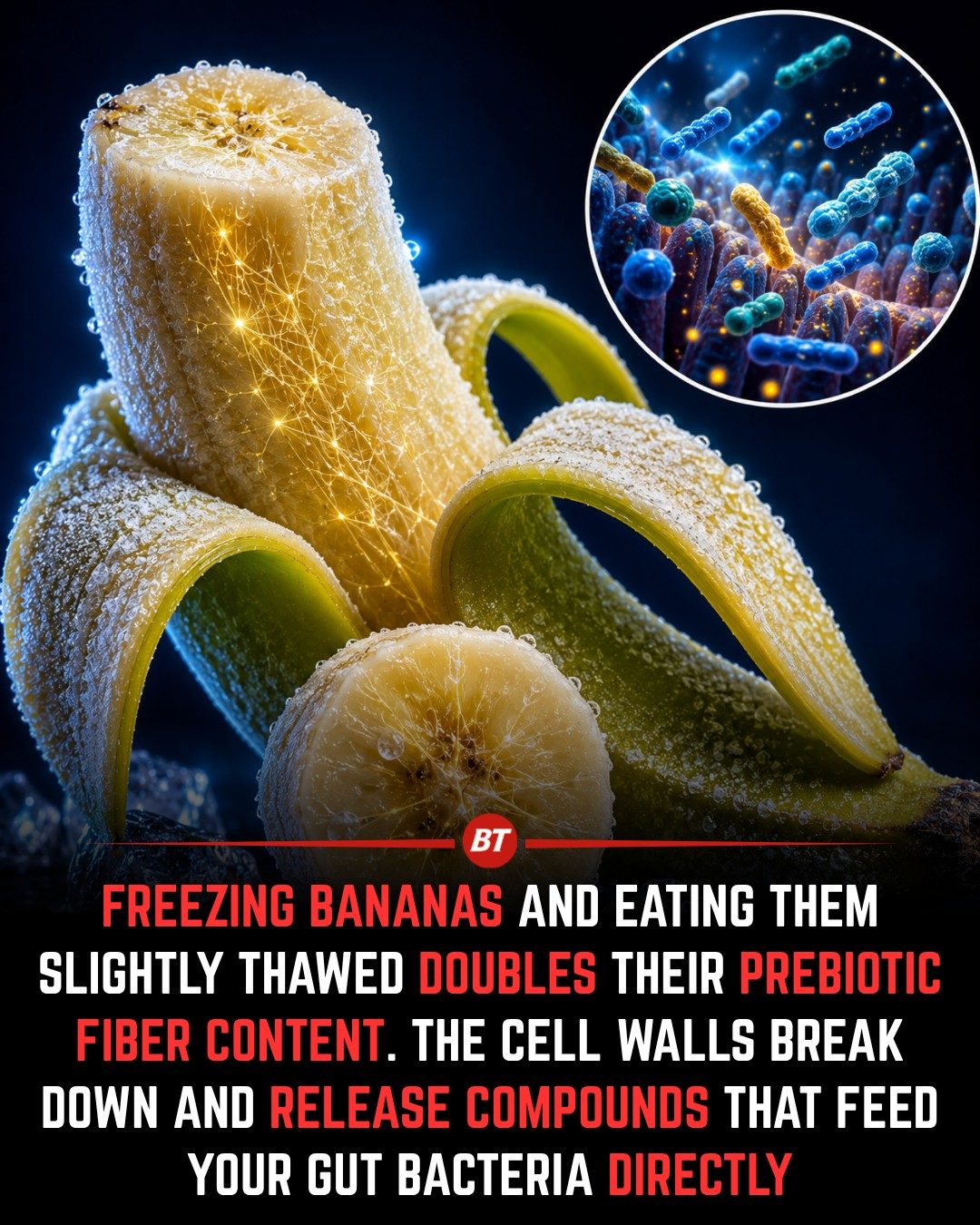
Frozen Bananas and Gut Health
Frozen bananas offer a unique twist on a classic fruit, with surprising benefits for gut health. Unlike their fully ripe, fresh counterparts, slightly underripe frozen bananas retain more resistant starch. This special type of carbohydrate escapes digestion in the small intestine and travels to the colon. Once there, it becomes a valuable food source for beneficial gut bacteria.
Why This Matters
Resistant starch is crucial for maintaining a healthy gut. When gut bacteria ferment resistant starch, they produce short-chain fatty acids. Butyrate, a key example, supports the intestinal lining, improves digestive health, and enhances overall gut function. This is why nutrition experts often recommend consuming slightly green bananas, as they provide higher amounts of resistant starch. Freezing these bananas can make them even more beneficial.
The Benefits of Freezing Bananas
Resistant Starch and Prebiotic Fiber
As bananas ripen, their natural starch converts into simple sugars. Freezing bananas while they are still slightly underripe allows them to retain more of this resistant starch. When you freeze and slightly thaw bananas, you're making their resistant starch more accessible.
Freezing bananas can double their prebiotic fiber content. The freezing process breaks down the cell walls of the banana, releasing compounds that directly feed gut bacteria. This makes frozen bananas a convenient and delicious way to consume resistant starch.
Easier Digestion and Creamier Texture
Freezing also alters the texture of bananas, making them softer and creamier once thawed.
Practical Tips
The Best Time to Freeze Bananas
To maximize the benefits, freeze bananas when they are still slightly firm and lightly green. This ensures they retain more resistant starch. After freezing, let them thaw for a few minutes before eating. You can also incorporate them into recipes like smoothies or frozen desserts.
Freezing and Thawing Techniques
If you're short on time, frozen bananas can be blended directly into a smoothie. For a creamy, gut-friendly dessert, slice the thawed bananas and freeze them for a bit longer to make banana "nice cream." Blend the frozen slices until smooth and creamy.
Incorporating Frozen Bananas into Your Diet
Frozen bananas can be a versatile addition to your diet. Here are a few creative ways to incorporate them:
- Smoothies: Blend frozen banana slices with your favorite fruits and vegetables for a nutrient-packed drink.
- Banana "Nice Cream": Freeze sliced bananas and blend them until smooth for a healthier alternative to ice cream.
- Frozen Desserts: Use frozen banana slices in popsicles or other frozen treats for a naturally sweet dessert.
Important Takeaways
Freezing bananas while they are slightly underripe can make them an excellent source of resistant starch, which is crucial for gut health. This simple process not only enhances the nutritional value of bananas but also improves their texture, making them a tastier option. By incorporating frozen bananas into your diet, you can enjoy a convenient and delicious way to support your gut health.
Conclusion
Frozen bananas are more than just a refreshing snack. They are a powerhouse of gut-friendly nutrients. By freezing bananas at the right stage of ripeness, you can enhance their resistant starch content, making them an excellent prebiotic. Whether you enjoy them as a creamy dessert or blend them into smoothies, frozen bananas offer a delicious and convenient way to support your digestive health.
Watch the Reel
Questions readers ask
What makes frozen bananas beneficial for gut health?
Frozen bananas, particularly when slightly underripe, are rich in resistant starch. This type of carbohydrate feeds beneficial gut bacteria, promoting better digestive health and overall gut function.
How does resistant starch in bananas support gut health?
Resistant starch acts as a prebiotic, fueling beneficial gut bacteria. These bacteria then produce short-chain fatty acids, such as butyrate, which support the intestinal lining and enhance digestive health.
Why are slightly underripe bananas better for gut health than ripe ones?
Slightly underripe bananas contain more resistant starch. This is because as bananas ripen, their resistant starch content decreases while their sugar content increases.
What is the best way to freeze bananas for maximum gut health benefits?
To maximize gut health benefits, freeze bananas when they are still slightly underripe. Peel and slice them before freezing to make them convenient for later use.
Can frozen bananas help with digestive issues?
Yes, the resistant starch in frozen bananas can help improve digestive health. By feeding beneficial gut bacteria, it promotes a healthier gut environment, which can alleviate various digestive issues.
What are some easy ways to incorporate frozen bananas into my diet?
Frozen bananas can be blended into smoothies, used as a base for nice cream, or added to oatmeal for a nutritious breakfast. They can also be eaten as a convenient, healthy snack.
Related deep dives
Similar reads based on topic and creator.




Recent articles
Fresh deep dives from the latest Reels we unpacked.




Comments
Be the first to comment.