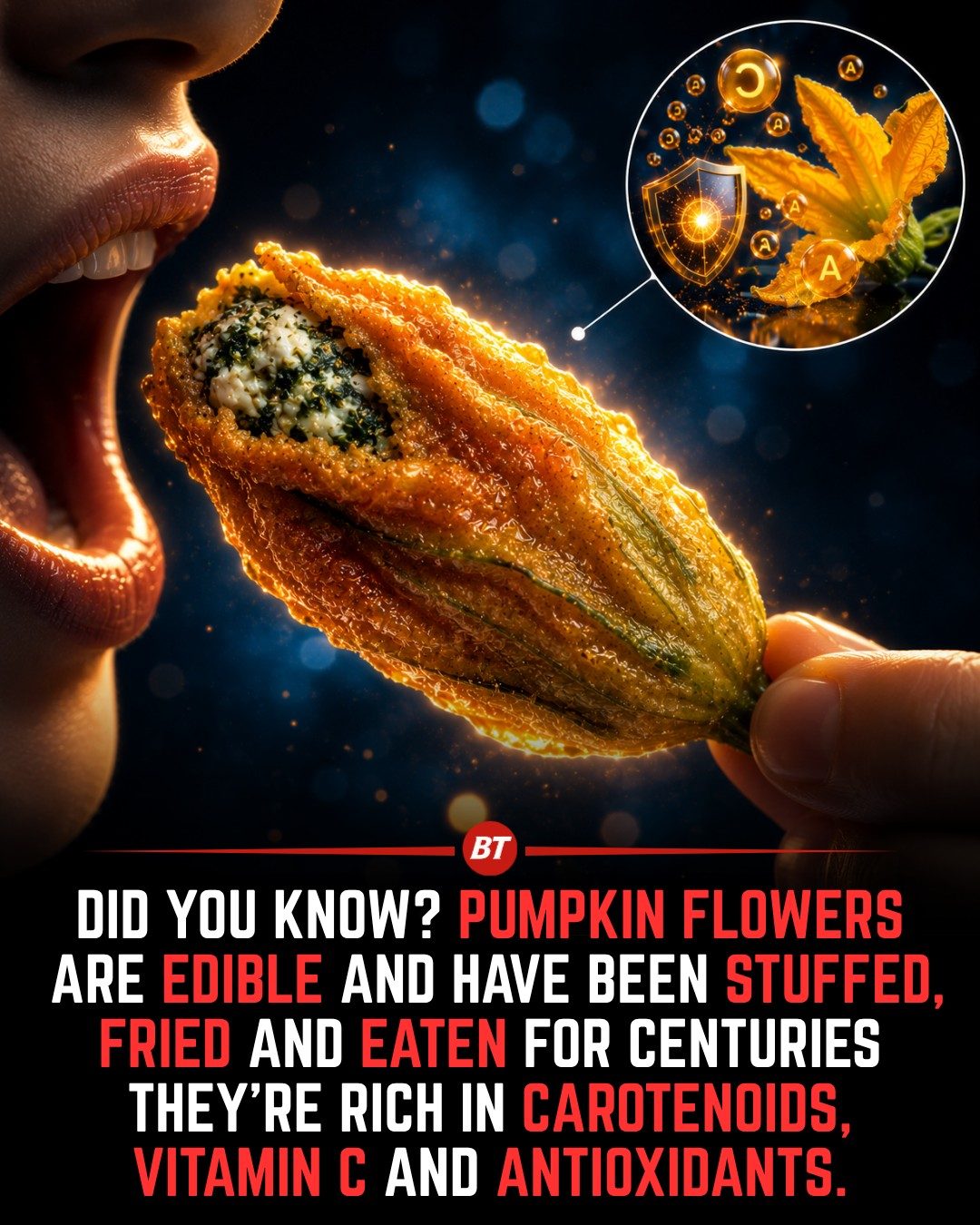
Pumpkin Flowers: A Culinary Delight with a Nutritional Kick
Pumpkin flowers, also known as pumpkin blossoms or squash flowers, have been a staple in worldly cuisines for centuries. These delicate blooms are not just visually appealing but also edible, offering a range of nutritional benefits. The vibrant yellow-orange hue of these flowers comes from carotenoids like lutein and beta-carotene, which are known to support healthy vision, skin, and immune function. Beyond their aesthetic appeal, pumpkin flowers provide a unique culinary experience with a mild, slightly sweet flavor that enhances various dishes.
Why Pumpkin Flowers Matter
Pumpkin flowers have long been prized in various culinary traditions, particularly in Mediterranean, Mexican, and Italian cooking. Their use in these cuisines is a testament to their versatility and nutritional value. Whether stuffed, sautéed, or lightly fried, these flowers add a distinctive flavor and texture to meals. They are a seasonal delicacy that can elevate any dish with their unique taste and nutritional profile.
The Nutritional Benefits of Pumpkin Flowers
Rich in Carotenoids
The bright yellow-orange color of pumpkin flowers is due to their high content of carotenoids, specifically lutein and beta-carotene. These natural pigments are powerful antioxidants that help protect cells from oxidative stress. Carotenoids play a crucial role in maintaining healthy vision, skin, and immune function, making pumpkin flowers a nutritious addition to any diet.
Vitamin C and Antioxidants
Pumpkin flowers are also a rich source of vitamin C, an essential nutrient that supports collagen production, wound healing, and immune defenses. Despite being low in calories, these flowers contain a variety of beneficial polyphenols and antioxidants. This makes them a flavorful way to incorporate more plant diversity into your meals. A 2023 review in Foods highlighted edible flowers as valuable sources of vitamins, carotenoids, flavonoids, and other phytochemicals with antioxidant activity. Scientists continue to explore the potential health benefits of these edible flowers, recognizing their long history as traditional foods across many cultures.
Traditional and Modern Uses
For centuries, pumpkin flowers have been a part of traditional cuisines. They have been stuffed, sautéed, and lightly fried, offering a variety of textures and flavors. In Mediterranean and Mexican cuisines, these flowers are often used in dishes like stuffed pumpkin blossoms, where they are filled with a mixture of cheese and herbs before being fried or baked. In Italian cooking, they are commonly added to omelets, pasta, soups, and fresh salads, adding a unique flavor and nutritional boost.
Practical Tips for Cooking with Pumpkin Flowers
Selecting and Preparing Pumpkin Flowers
When selecting pumpkin flowers, opt for fresh, vibrant blooms. Male flowers are commonly picked for cooking since harvesting them doesn't affect fruit production, while female flowers can be left on the plant to develop into pumpkins. Once harvested, gently rinse the flowers and remove the stamens to prepare them for cooking.
Stuffing and Cooking Methods
One of the most popular ways to prepare pumpkin flowers is by stuffing them. Fill the flowers with a mixture of ricotta, fresh herbs, and Parmesan cheese. After stuffing, lightly pan-fry or bake them until golden. Alternatively, you can chop them into smaller pieces and add them to omelets, pasta, soups, or fresh salads.
Recipe Ideas
- Stuffed Pumpkin Flowers: Mix ricotta, fresh herbs, and Parmesan cheese. Stuff the flowers with this mixture and lightly pan-fry or bake until golden.
- Pumpkin Flower Omelette: Chop fresh pumpkin flowers and add them to your omelette for a burst of flavor and nutrition.
- Pumpkin Flower Pasta: Sauté chopped pumpkin flowers with garlic and olive oil, then toss with your favorite pasta for a delicious and nutritious meal.
- Pumpkin Flower Salad: Add fresh, chopped pumpkin flowers to your favorite salad for a unique twist and a boost of antioxidants.
Important Takeaways
Pumpkin flowers offer a unique combination of culinary versatility and nutritional benefits. Their rich content of carotenoids, vitamin C, and antioxidants makes them a valuable addition to any diet. Whether you're looking to add a new ingredient to your cooking repertoire or simply want to enjoy a seasonal delicacy, pumpkin flowers are a delicious and nutritious choice.
Conclusion
Pumpkin flowers are more than just a beautiful addition to gardens; they are a culinary treasure with a long history in various cuisines around the world. Their mild, slightly sweet flavor and rich nutritional profile make them a valuable ingredient in many dishes. From stuffing them with cheese and herbs to adding them to salads and pasta, the possibilities are endless. Incorporating pumpkin flowers into your meals not only enhances the flavor but also provides a range of health benefits. So, the next time you see these vibrant blooms, consider adding them to your culinary creations and enjoy the unique taste and nutritional benefits they offer.
Watch the Reel
Questions readers ask
What are the primary health benefits of consuming pumpkin flowers?
Pumpkin flowers are rich in carotenoids like lutein and beta-carotene, which support healthy vision and skin. They also contain antioxidants that boost immune function, making them a nutritious addition to your meals.
Can you fry pumpkin flowers at home?
Yes, you can fry pumpkin flowers at home. Firstly, make sure to clean the flowers thoroughly. You can then coat them in a light batter and fry them in hot oil until they are crispy and golden. Serve them with a side of your favorite dipping sauce.
How can I incorporate pumpkin flowers into Mexican dishes?
Pumpkin flowers are a traditional ingredient in Mexican cuisine. You can stuff them with cheese or a spicy filling and fry them, or incorporate them into dishes like enchiladas, quesadillas, or even soups and stews.
What is the best way to store fresh pumpkin flowers?
To store fresh pumpkin flowers, keep them in the refrigerator in a damp paper towel inside a plastic bag. They should stay fresh for up to three days. Avoid washing them until just before you use them to prevent wilting.
What are some popular Mediterranean recipes that use pumpkin flowers?
In Mediterranean cuisine, pumpkin flowers are often used in Italian dishes like frittatas, omelets, and risottos. They can also be stuffed with herbs, breadcrumbs, and cheese or battered and fried as a snack.
What do pumpkin flowers taste like?
Pumpkin flowers have a mild, slightly sweet flavor with a tender texture. They are versatile and can be prepared in various ways, from frying to stuffing, to complement a wide range of dishes.
Are there any specific nutrients in pumpkin flowers that benefit the eyes?
Pumpkin flowers contain lutein and beta-carotene, which are known to support healthy vision. These nutrients help protect the eyes from harmful light and maintain overall eye health.
Related deep dives
Similar reads based on topic and creator.




Recent articles
Fresh deep dives from the latest Reels we unpacked.




Comments
Be the first to comment.