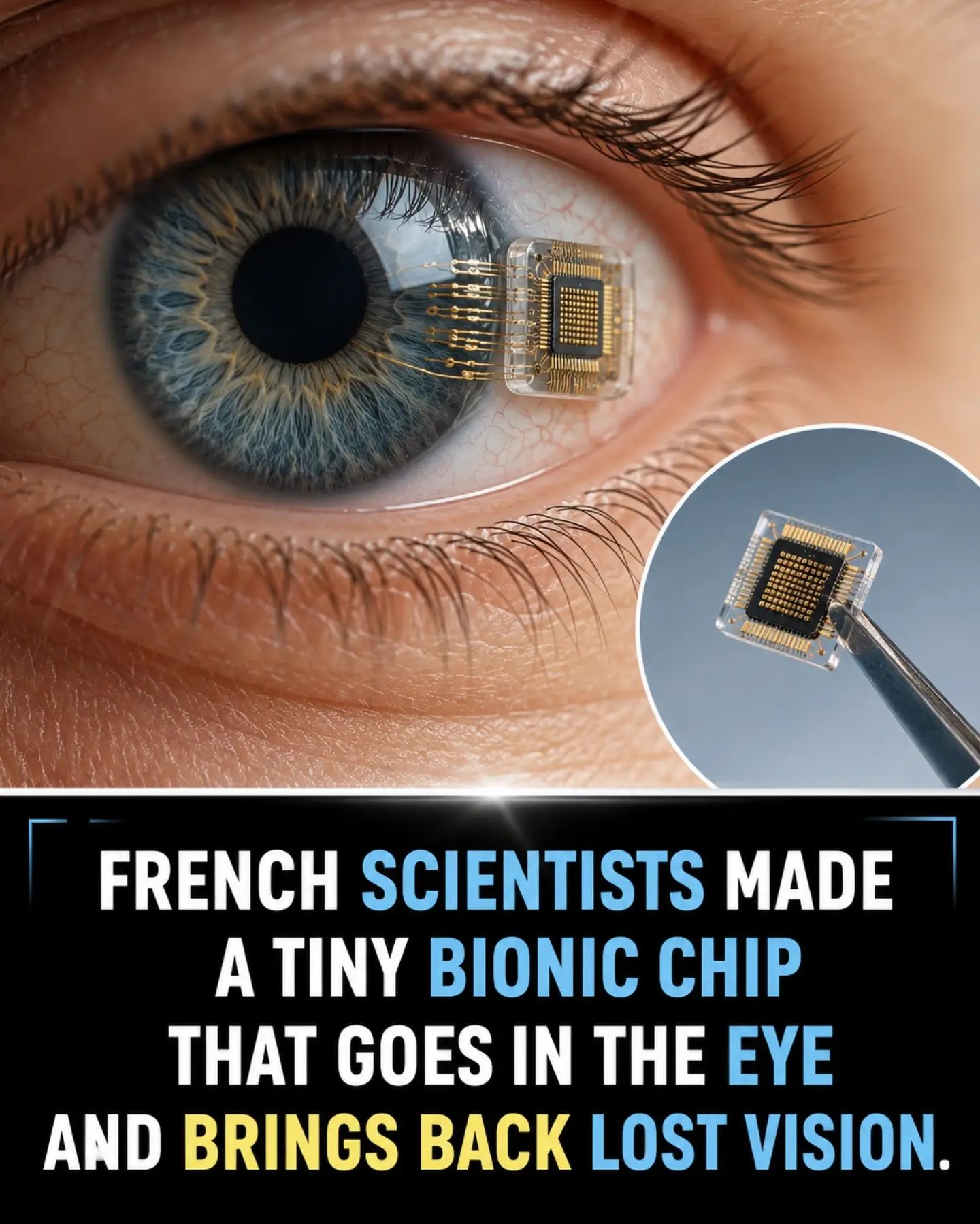
Bionic Chip for Vision Restoration
Bionic chips are revolutionizing medical technology, offering new hope to those who have lost their vision. These tiny devices, designed to be implanted in the eye, have the potential to restore sight in various conditions. The development of such technology is a significant milestone, showcasing the intersection of biomedical engineering and neural interfaces.
Why This Matters
The impact of vision loss can be profound, affecting an individual's quality of life, independence, and overall well-being. Current treatments for vision loss, such as corrective lenses, surgery, and medication, have limitations. Bionic chips represent a groundbreaking alternative, offering a solution where traditional methods fall short. This technology could transform the lives of millions of people worldwide who suffer from vision impairment.
Main Discussion
How Bionic Chips Work
Bionic chips for vision restoration function by interfacing directly with the neural pathways of the eye. These devices are designed to mimic the function of healthy retinal cells, which convert light into electrical signals that the brain can interpret as images. When the retina is damaged, these signals are disrupted, leading to vision loss.
The bionic chip compensates for this damage by generating electrical signals that bypass the damaged retinal cells and transmit information directly to the optic nerve. This process allows the brain to receive visual signals, effectively restoring sight. The chips are implanted in a minimally invasive surgical procedure, making them a feasible option for many patients.
The Role of French Scientists
French scientists have been at the forefront of developing these innovative bionic chips. Their work has focused on creating a device that is both tiny and highly effective. The chip is designed to be placed on the iris, where it can interface with the neural pathways of the eye without causing significant discomfort or disturbance. The research involves extensive testing and refinement to ensure the chip's safety and efficacy.
Potential Applications
The potential applications of bionic chips are vast. They can be used to restore vision in patients suffering from conditions such as macular degeneration, glaucoma, and retinal detachment. These conditions are often progressive and can lead to severe vision loss or blindness. Bionic chips offer a promising solution for managing these conditions and improving the quality of life for affected individuals.
Current Progress and Future Directions
Current progress in bionic chip technology is encouraging, but there is still much work to be done. Researchers are continually refining the design and functionality of these devices, aiming to improve their accuracy, durability, and ease of use. Future directions include developing more advanced neural interfaces that can provide even higher levels of visual acuity and expanding the range of conditions that can be treated.
Practical Tips
Understanding the Procedure
If you or a loved one is considering bionic chip implantation, it's essential to understand the procedure. The process involves a surgical operation where the chip is implanted in the eye. The surgery is performed under local anesthesia, and patients typically recover within a few days. A comprehensive evaluation by a medical professional is necessary to determine if a bonic chip is the right solution for your specific condition.
Preparation and Aftercare
Preparation for bionic chip surgery involves several steps, including pre-operative evaluations and consultations. Your healthcare provider will guide you through the necessary preparations, which may include pre-surgical tests and medications. After the surgery, follow-up care is crucial. Regular check-ups and monitoring will help ensure the chip is functioning correctly and that any potential issues are addressed promptly.
Managing Expectations
It's important to manage your expectations regarding the outcomes of bionic chip implantation. While the technology has shown remarkable results, individual experiences can vary. The chip's effectiveness depends on several factors, including the severity of the vision loss and the underlying condition. Realistic expectations and ongoing communication with your healthcare provider are essential for a successful outcome.
Important Takeaways
Bionic chips for vision restoration represent a significant advancement in medical technology. They offer a promising solution for individuals suffering from vision loss due to various conditions. French scientists have made notable contributions to this field, developing a tiny, effective device that can restore sight.
The Impact on Quality of Life
The potential impact of bionic chips on the quality of life is enormous. Restoring vision can significantly improve an individual's ability to perform daily activities, maintain independence, and enhance overall well-being. The technology provides new hope for those who have previously had limited treatment options.
The Future of Vision Restoration
The future of vision restoration looks bright with continued advancements in bionic chip technology. As researchers refine these devices, their potential applications and effectiveness will likely expand. Staying informed about the latest developments and consulting with healthcare providers can help you make informed decisions about your vision health.
Conclusion
Bionic chips for vision restoration are a groundbreaking development in medical technology. They offer new hope for individuals suffering from vision loss, providing a solution where traditional treatments fall short. With continued research and development, these devices have the potential to transform the lives of millions of people worldwide, enhancing their quality of life and independence. If you or someone you know is affected by vision loss, exploring the possibilities of bionic chip technology could be a life-changing decision.
Watch the Reel
Questions readers ask
What exactly does the bionic chip do to restore vision?
The bionic chip interfaces with the eye's neural pathways, transmitting visual signals directly to the brain. This process bypasses damaged retinal cells, enabling individuals with vision loss to perceive images and potentially restore some level of sight.
Who is leading the development of these bionic chips?
French scientists are at the forefront of this pioneering research. Their work focuses on creating tiny, implantable devices designed to interact with the eye's neural system, offering a new approach to vision restoration.
How do bionic chips differ from traditional vision loss treatments?
Unlike traditional methods such as corrective lenses, surgery, or medication, bionic chips provide a direct neural interface. This allows them to bypass damaged retinal cells and transmit visual signals to the brain, offering a solution where conventional treatments may not be effective.
What conditions can bionic vision chips potentially treat?
Bionic vision chips have the potential to restore sight in a variety of conditions where traditional treatments fall short. This includes conditions that damage retinal cells, such as age-related macular degeneration, retinitis pigmentosa, and other forms of vision loss.
What are some of the benefits of using bionic chips for vision restoration?
Bionic chips offer several benefits, including the potential to restore some level of sight, improved quality of life, increased independence, and overall well-being. They provide a groundbreaking alternative for individuals who have exhausted other treatment options.
How do bionic chips interface with the eye's neural system?
Bionic chips are designed to be implanted within the eye, where they connect with the existing neural pathways. These pathways are responsible for transmitting visual signals to the brain, and the chips can effectively bypass damaged retinal cells to restore visual information processing.
What role does biomedical engineering play in the development of these bionic chips?
Biomedical engineering is crucial in the development of bionic chips. This interdisciplinary field combines engineering principles with medical and biological sciences to create devices that can interface with the human body, such as the bionic eye implant technology developed by French scientists.
Recent articles
Fresh deep dives from the latest Reels we unpacked.




Comments
Be the first to comment.