Freezing Bread
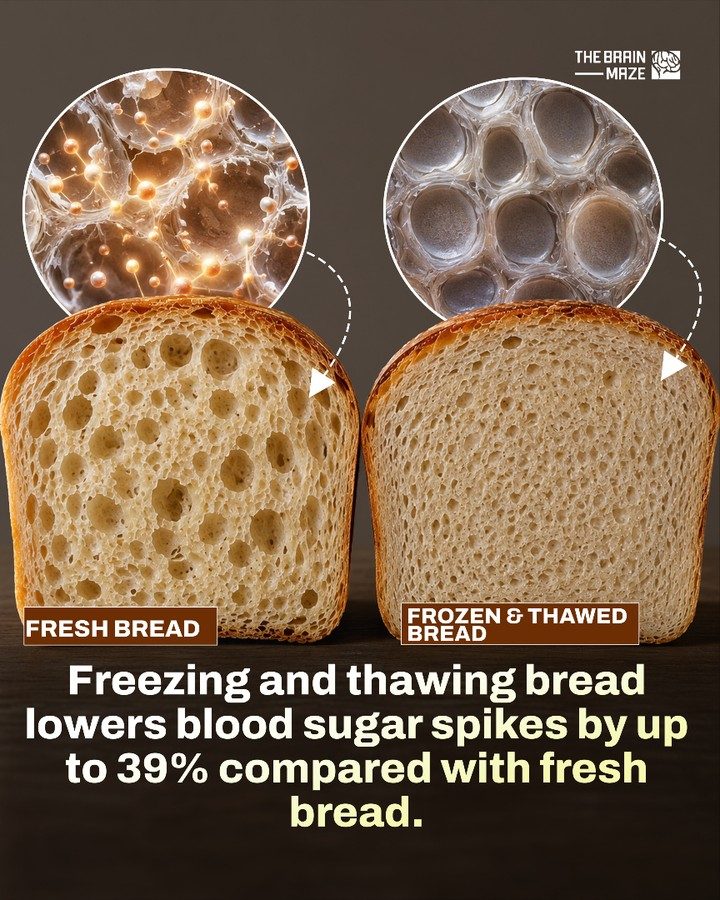
Bread is a staple in many diets around the world, and its preparation can significantly impact its nutritional effects. Freezing and thawing bread alters its structure, transforming some of its starch into resistant starch. This change slows down the release of glucose into the bloodstream, potentially reducing the spike in blood sugar levels after consumption.
Context / Why this matters
Understanding how freezing and thawing affects bread is crucial for consumers looking to manage their blood sugar levels. By making informed choices about bread preparation, individuals can better control their glycemic response, which is particularly important for those with diabetes or prediabetes. Additionally, knowing the benefits of freezing bread can help reduce food waste by extending the shelf life of baked goods.
Main discussion
The Science Behind Freezing Bread
When bread is frozen and then thawed, the process changes the structure of its starches. This transformation leads to the formation of resistant starch, a type of starch that is digested more slowly than regular starch. Resistant starch passes through the stomach and small intestine undigested, acting more like fiber in the body. This slower digestion process means that glucose is released into the bloodstream at a slower rate, helping to prevent sharp increases in blood sugar levels.
Impact on Blood Sugar Levels
Research indicates that frozen and thawed bread can produce a lower glycemic response compared to fresh bread. This means that consuming bread that has been frozen and thawed may result in a more gradual and controlled release of glucose, which is beneficial for maintaining stable blood sugar levels. The exact impact varies depending on the type of bread and its preparation methods, but studies have shown that the reduction in blood sugar spikes can be significant, sometimes up to 39% compared to fresh bread.
Types of Bread and Preparation Methods
Different types of bread and preparation methods can influence the glycemic response. For instance, whole-grain breads generally have a lower glycemic index compared to white breads due to their higher fiber content. Freezing and thawing can further enhance this effect by increasing the resistant starch content. However, the exact benefits can vary, so it's essential to consider the specific type of bread and how it is prepared.
Practical Considerations
While freezing and thawing bread can offer health benefits, there are practical considerations to keep in mind. For example, the texture of the bread may change after freezing and thawing, making it slightly drier or crumblier. To mitigate this, you can toast the thawed bread before consuming it to restore some of the original texture and flavor.
Practical tips
Freezing Bread Properly
To get the most out of freezing bread, follow these tips:
- Slice Before Freezing: Freezing bread in slices rather than as a whole loaf makes it easier to thaw only what you need. This reduces waste and helps maintain the bread's freshness.
- Use Airtight Containers: Store bread in airtight containers or freezer bags to prevent freezer burn, which can affect the taste and texture.
- Label and Date: Label and date your frozen bread to keep track of how long it has been stored. While frozen bread can last for several months, the quality may degrade over time.
Thawing Techniques
When thawing bread, consider the following methods to achieve the best results:
- Room Temperature: Allow the bread to thaw at room temperature for a few hours. This method is gentle and helps maintain the bread's texture.
- Oven Thawing: For a quicker option, place the frozen bread slices in a preheated oven at a low temperature (around 200°F or 93°C) for a few minutes. This method can help restore some of the original texture and crispiness.
- Toaster Thawing: Use a toaster to thaw and warm the bread slices quickly. This method is convenient and works well for individual slices.
Important takeaways
Freezing and thawing bread can be a beneficial practice for managing blood sugar levels and reducing food waste. By understanding the science behind this process and applying practical tips for freezing and thawing, you can enjoy the health benefits while maintaining the quality of your bread.
Conclusion
Freezing bread is a simple yet effective way to enhance its nutritional benefits and extend its shelf life. The transformation of starch into resistant starch during the freezing and thawing process can help slow down the release of glucose, potentially reducing blood sugar spikes. By following practical guidelines for freezing and thawing, you can make the most of this technique and enjoy bread that is both delicious and beneficial for your health.
Watch the Reel
Questions readers ask
What is resistant starch and how does it form in frozen bread?
Resistant starch is a type of starch that resists digestion in the small intestine and behaves more like fiber. When bread is frozen, some of its starch transforms into resistant starch, which slows down the breakdown of carbohydrates and the subsequent release of glucose into the bloodstream.
How long should I freeze bread to maximize its health benefits?
To maximize the formation of resistant starch, it's recommended to freeze bread for at least 24 hours. However, keeping it frozen for a few days or even weeks is perfectly fine and can provide similar benefits.
Can I thaw and refreeze bread multiple times to increase its health benefits?
While thawing and refreezing bread is safe, it does not necessarily increase the health benefits. The transformation of starch into resistant starch primarily occurs during the initial freezing process.
Does freezing bread affect its taste or texture?
Freezing and thawing bread can slightly alter its texture, making it a bit denser or softer, but it generally does not significantly affect the taste. It's best to consume thawed bread within a day or two for optimal texture.
Can freezing bread help with diabetes management?
Yes, freezing bread can be beneficial for those with diabetes or prediabetes. By slowing down glucose release, it can help reduce post-meal blood sugar spikes, which is crucial for managing diabetes. However, it's still important to monitor portion sizes and consider the overall nutritional content of the bread.
Are there any specific types of bread that benefit more from freezing?
Whole grain and sourdough breads tend to have naturally higher levels of resistant starch and may benefit more from freezing. However, all types of bread can experience some transformation of starch into resistant starch when frozen.
Is there a best way to thaw bread to maintain its nutritional benefits?
To maintain the nutritional benefits, it's best to thaw bread at room temperature or in the refrigerator overnight. Avoid using a microwave or hot water, which can accelerate the breakdown of resistant starch and alter the bread's texture.
Related deep dives
Similar reads based on topic and creator.


Recent articles
Fresh deep dives from the latest Reels we unpacked.




Comments
Be the first to comment.