Recycled Plastic Flower Barriers
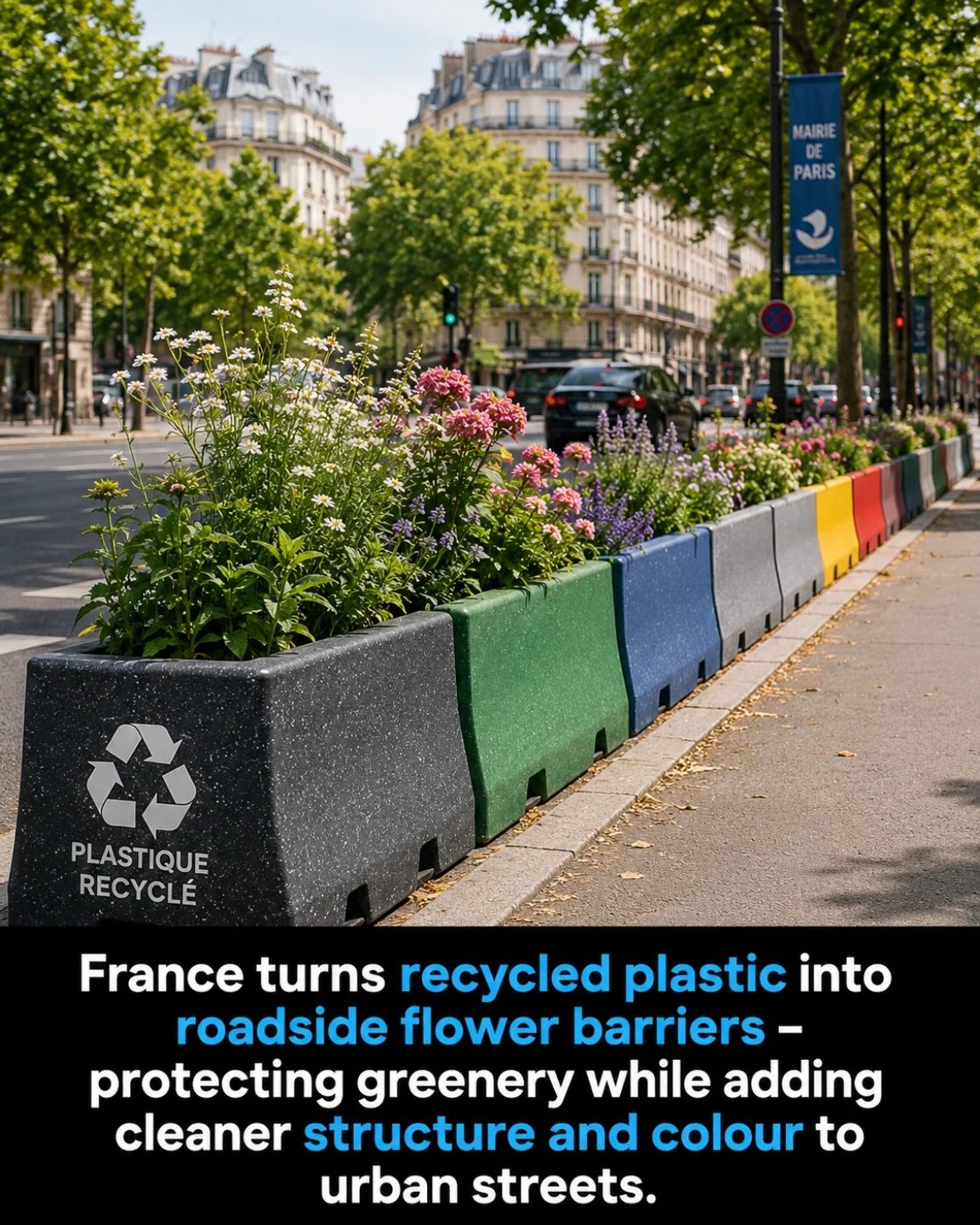
Recycling is becoming increasingly popular, and France is leading the way with an innovative use of recycled plastic: brightening up urban streets with eye-catching flower barriers. These barriers are not only aesthetically pleasing but also serve a practical purpose in protecting greenery in urban environments.
Why this Matters
Urban design plays a crucial role in shaping the look and feel of our cities. By incorporating recycled materials, cities can enhance their aesthetics while also promoting sustainability. This initiative in France showcases a practical and visually appealing solution to urban beautification and greenery preservation. The use of recycled plastic in urban design exemplifies how cities can embrace eco-friendly practices without compromising on style.
Urban Greenery and Recycled Plastic
The Environmental Impact
Using recycled plastic to create roadside flower barriers is a forward-thinking approach to reducing plastic waste and enhancing urban environments. Plastic waste is a significant environmental issue, and finding ways to repurpose it is essential for sustainability. By transforming discarded plastic into functional and decorative barriers, France is setting a positive example for other cities around the world.
Street Layout and Design
In the heart of Paris, these barriers not only add vibrant colors to the streets but also provide a structured and organized look. The rectangular design of the barriers ensures that they can be easily integrated into various street layouts, making them a versatile addition to urban landscapes. Lining the streets with these barriers can create a cohesive and harmonious visual appeal, enhancing the overall aesthetic of the city.
Greenery Protection
One of the primary goals of these flower barriers is to protect the greenery that adds life and color to urban streets. By creating a physical barrier, these structures prevent damage to plants and flowers, ensuring that they can thrive in an urban environment. This initiative not only beautifies the streets but also supports the overall health and longevity of the greenery, which is crucial for maintaining a green and livable city.
Practical Tips for Urban Design
Incorporating Recycled Materials
Cities looking to follow France's example can start by identifying local sources of recycled plastic. This can be achieved by collaborating with recycling facilities and local manufacturers. By working with these partners, cities can develop a sustainable supply chain for recycled materials, ensuring a steady flow of materials for urban design projects.
Design Considerations
When designing urban flower barriers, it's essential to consider both form and function. The barriers should be visually appealing and structurally sound, capable of withstanding various weather conditions and urban challenges. Additionally, incorporating vibrant colors and greenery can add an element of beauty to the design, making the barriers a welcoming addition to urban streets.
Community Engagement
Engaging the local community in the design and implementation process can create a sense of ownership and pride. Community input can provide valuable insights into the needs and preferences of residents, ensuring that the barriers meet their expectations and contribute positively to the urban environment.
Important Takeaways
Eco-Friendly Urban Design
The initiative to use recycled plastic for roadside flower barriers highlights the growing trend of eco-friendly urban design. By repurposing plastic waste, cities can address environmental concerns while also enhancing their public spaces. This approach not only reduces the environmental impact of plastic waste but also promotes sustainable urban development.
Enhancing Urban Aesthetics
Incorporating these vibrant, colorful barriers into urban streets adds a touch of beauty and organization. The combination of recycled materials, greenery, and smart design creates a visually appealing and functional public space. This initiative demonstrates how urban design can be both aesthetically pleasing and environmentally responsible.
Greenery Preservation
Protecting urban greenery is crucial for maintaining a healthy and livable environment. By using physical barriers, cities can safeguard their green spaces, ensuring that they continue to thrive and contribute to the overall well-being of residents. This initiative sets a positive example for urban greenery preservation, showcasing how innovative design can support environmental sustainability.
Conclusion
Recycled plastic flower barriers in France offer a compelling solution to urban beautification and greenery preservation. By repurposing discarded plastic, cities can create visually appealing and functional barriers that enhance the urban landscape while promoting sustainability. This initiative underscores the importance of eco-friendly urban design and sets a positive example for cities worldwide. Embracing such innovative solutions can help create more vibrant, livable, and environmentally responsible urban environments.
Watch the Reel
Questions readers ask
What are recycled plastic flower barriers?
Recycled plastic flower barriers are eco-friendly street barriers made from repurposed plastic waste. They are used to brighten up France's urban areas while protecting greenery, thus promoting sustainability and enhancing urban aesthetics.
How do recycled plastic flower barriers benefit urban environments?
These barriers benefit urban environments by adding a splash of color and greenery to streets. They also protect existing greenery from damage and serve as a barrier to prevent litter and debris from entering these areas, contributing to overall urban beautification.
What type of plastic waste is used to make these barriers?
The specific types of plastic waste used to create these barriers can vary, but common materials include PET (polyethylene terephthalate) and HDPE (high-density polyethylene), which are widely recycled plastics. These materials are chosen for their durability and suitability for outdoor use.
How does France's initiative with recycled plastic flower barriers promote sustainability?
By repurposing plastic waste into functional and visually appealing barriers, France reduces the amount of plastic sent to landfills. This initiative highlights the potential of recycling in creating useful and attractive urban infrastructure, aligning with broader sustainability goals.
How do these barriers help in Parisian greenery protection?
The barriers serve as a physical barrier to protect existing greenery from damage caused by pedestrians or vehicles. They also create designated areas for planting new flowers and plants, promoting a greener urban landscape and enhancing the overall appeal of Parisian streets.
Can recycled plastic flower barriers be implemented in other cities?
Yes, the concept of using recycled plastic flower barriers can be easily adapted to other cities. Many urban areas face similar challenges with plastic waste and greenery protection, making this an appealing solution for enhancing sustainability and urban aesthetics globally.
Recent articles
Fresh deep dives from the latest Reels we unpacked.




Comments
Be the first to comment.