International Relations: Corporate Financing of Elections
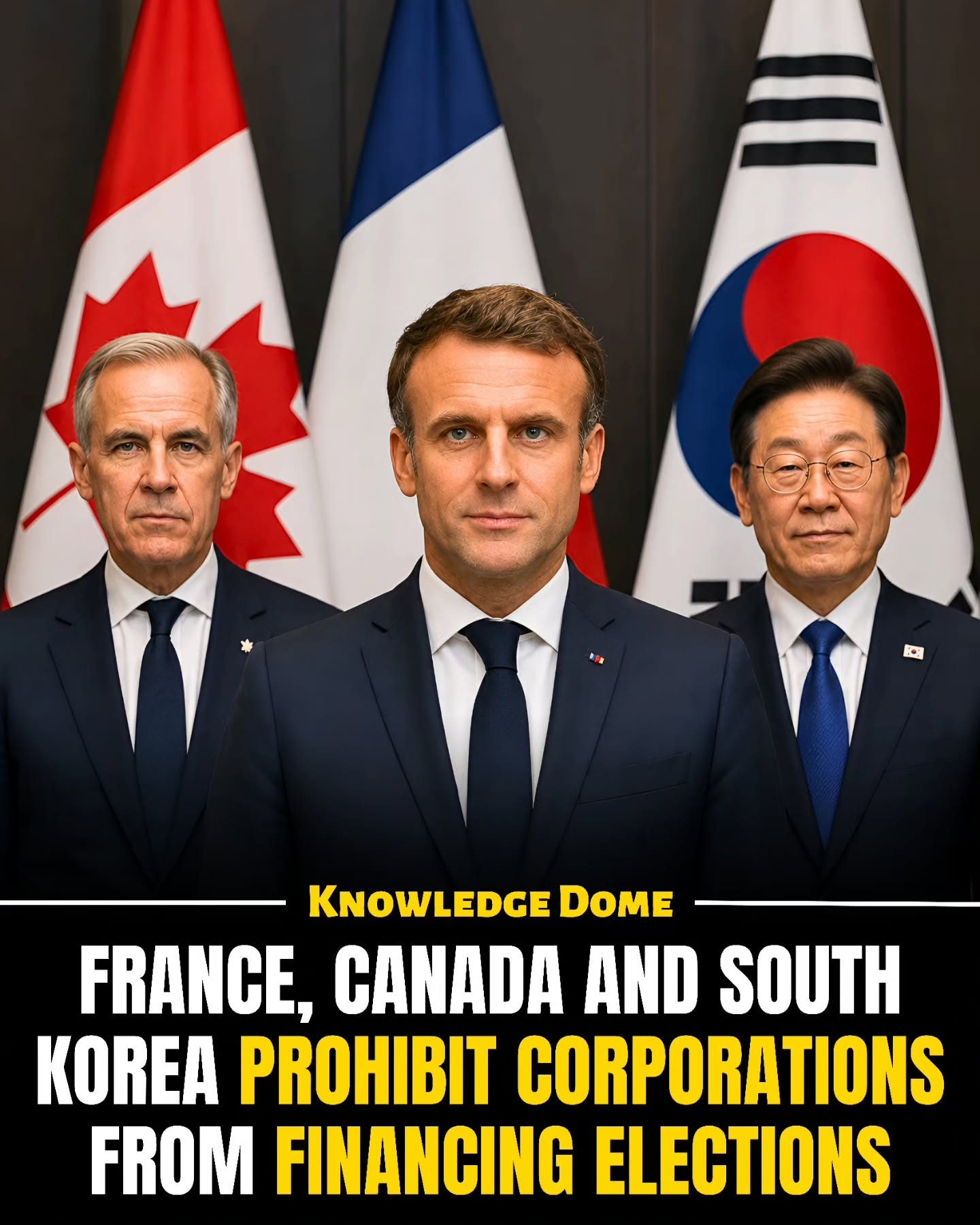
Money and politics can intertwine in complex ways, but in some countries, clear boundaries are drawn to prevent corporations from directly influencing election campaigns. France, Canada, and South Korea have implemented stringent regulations that prohibit corporations from financing political parties or election campaigns. This separation aims to reduce the influence of large companies in political decision-making and lower the risk of corruption.
Why this matters
The way countries regulate corporate political donations can significantly impact the integrity and fairness of their democratic processes. Understanding these regulations helps shed light on the varying approaches to campaign financing around the world. It highlights the different priorities and values that nations place on transparency, accountability, and the influence of corporate money in politics.
Main discussion
France
France has a robust system that keeps corporate money out of politics. Corporate donations to political parties are strictly prohibited. Instead, political parties rely heavily on public funding, with private donations from individuals closely monitored and tightly regulated. This system ensures that political parties are funded mainly by the state and individual citizens, rather than corporations.
Canada
In Canada, the regulations are similarly strict. Companies and unions are banned from donating to federal parties and candidates. Only Canadian citizens and permanent residents can contribute, and even then, there are strict yearly limits on how much they can give. This ensures that political influence is more evenly distributed among the population, rather than concentrated in the hands of a few powerful corporations.
South Korea
South Korea also maintains stringent controls over corporate political donations. Corporations are blocked from making political donations, and the system relies more on state support and closely watched individual donations. This approach helps to ensure that political campaigns are not unduly influenced by corporate interests and that the democratic process remains fair and transparent.
How France, Canada, and South Korea compare to other countries
These regulations contrast sharply with practices in countries like the United States, where corporations can spend money on independent political messages and election-related spending is protected under certain conditions. This difference highlights the varying approaches to campaign financing and the influence of corporate money in politics.
International IDEA Findings
According to the International Institute for Democracy and Electoral Assistance (International IDEA), at least 46 democracies around the world have banned corporate donations to political parties. This widespread adoption of such regulations underscores a global trend towards limiting the influence of corporate money in politics. It reflects a broader effort to maintain the integrity of democratic processes by preventing undue corporate influence.
Practical tips
For those interested in understanding and potentially influencing campaign financing regulations, here are some practical steps:
-
Stay Informed: Keep up-to-date with the latest developments in campaign financing laws and regulations in your country and around the world. This knowledge can help you make informed decisions and advocate for changes if necessary.
-
Engage in Public Discourse: Participate in public discussions and debates about campaign financing. Share your views and listen to others to gain a broader perspective on the issue.
-
Support Advocacy Groups: Join or support organizations that advocate for transparency and accountability in campaign financing. These groups often work to influence policy and promote fairer practices.
-
Vote Wisely: Use your vote to support candidates and parties that align with your values and principles regarding campaign financing and political integrity.
-
Donate to Political Campaigns: If you believe in the importance of individual contributions, consider donating to political campaigns that align with your values. This can help ensure that political parties are funded by a diverse range of individuals rather than a few powerful corporations.
Important takeaways
-
Separation of Money and Politics: Countries like France, Canada, and South Korea have implemented regulations that keep corporate money out of politics, ensuring that political campaigns are funded mainly by individual citizens and the state.
-
Global Trends: The trend towards banning corporate donations is not unique to these countries. Many democracies around the world have adopted similar regulations to maintain the integrity of their democratic processes.
-
Public Engagement: Staying informed and actively participating in public discourse about campaign financing can help shape policies and promote transparency.
-
Diverse Funding Sources: Encouraging a broader range of individual contributions to political campaigns can help ensure that political influence is more evenly distributed among the population.
-
Transparency and Accountability: Regulations that limit corporate donations promote greater transparency and accountability in political funding, reducing the risk of corruption and undue influence.
Conclusion
The regulations in France, Canada, and South Korea that prohibit corporate financing of elections highlight the importance of maintaining a clear separation between corporate money and political influence. These regulations are part of a broader global trend towards promoting transparency and fairness in democratic processes. By understanding and advocating for such practices, individuals can help ensure that politics remains responsive to the diverse needs and interests of the population, rather than being unduly influenced by corporate interests.
Watch the Reel
Questions readers ask
What specific measures has France taken to limit corporate influence in elections?
France has implemented strict regulations that prohibit corporations from donating to political parties or election campaigns. Instead, France relies on public and individual funding to support political activities, thereby reducing the potential for corporate influence in political decisions. This approach aims to ensure fairness and transparency in the democratic process.
How does Canada's ban on corporate donations to political parties work?
Canada's political finance laws explicitly prohibit corporate donations to political parties and campaign funds. This ban is enforced through stringent regulations that ensure corporations cannot directly influence election outcomes. Political parties in Canada must rely on individual contributions and public funding to support their campaigns, promoting a level playing field in elections.
What are the key aspects of South Korea's regulations on corporate election influence?
South Korea has enacted comprehensive election regulations that include a complete ban on corporate donations to political campaigns. This measure is part of a broader effort to curb the influence of corporate money in politics and reduce the risk of corruption. The ban ensures that political parties and candidates must rely on public and individual funding, fostering a more transparent and equitable political landscape.
Why do these countries prohibit corporate donations to political parties and campaigns?
These countries prohibit corporate donations to prevent large companies from having undue influence over political decisions. By banning corporate donations, they aim to reduce the risk of corruption and ensure that political parties and candidates are not swayed by the financial interests of corporations. This approach promotes a more balanced and fair political landscape, where individual citizens and public funding play a more significant role.
What funding alternatives do political parties rely on in these countries?
In France, Canada, and South Korea, political parties rely on public funding and individual donations to support their campaigns. This shift away from corporate funding ensures that political activities are sustained by a broader base of financial support, reducing the potential for corporate interests to dominate political decision-making. Public funding, in particular, helps to ensure that all parties have a fair opportunity to compete in elections.
How do these regulations impact the integrity and fairness of democratic processes?
By prohibiting corporate donations, these countries strengthen the integrity and fairness of their democratic processes. The regulations help to level the playing field, ensuring that political influence is more evenly distributed among citizens rather than being concentrated in the hands of wealthy corporations. This approach fosters a more transparent and accountable political environment, where decisions are made in the best interests of the public rather than corporate interests.
Are there any exceptions to the corporate donation bans in these countries?
In these countries, the bans on corporate donations are stringent and typically do not include exceptions. The regulations are designed to create a clear separation between corporate interests and political activities. Even if a corporation could indirectly influence politics through means such as lobbying, the direct financial influence on political parties and campaigns is effectively blocked, ensuring a more balanced political system.
Recent articles
Fresh deep dives from the latest Reels we unpacked.




Comments
Be the first to comment.