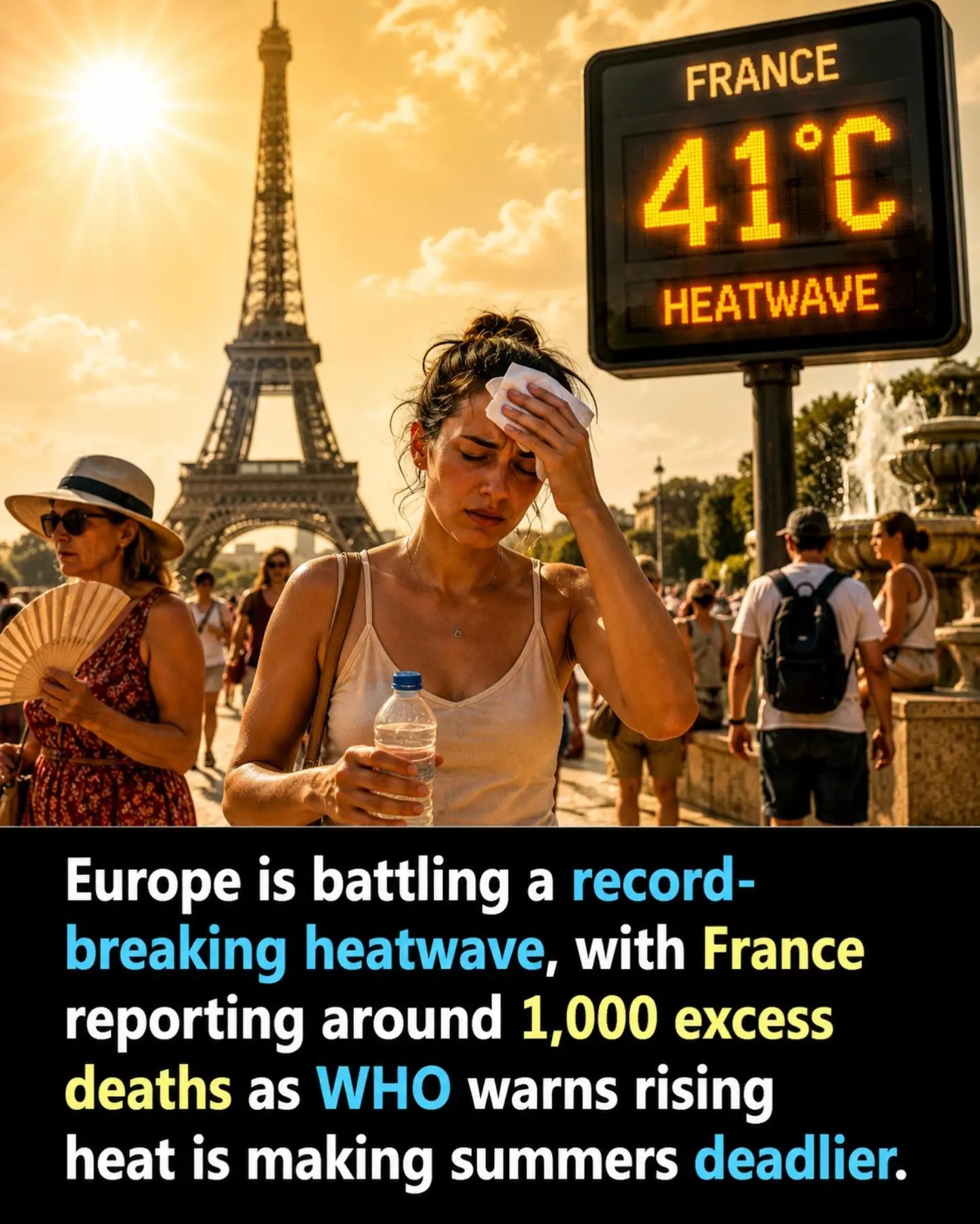
Heatwave in France
France is currently in the grip of a severe heatwave, with temperatures soaring to 41°C in some areas. This extreme weather event is part of a larger pattern affecting Europe, where record-breaking temperatures are becoming more common. The heatwave has had significant impacts, including a reported 1,000 excess deaths in France alone. The World Health Organization (WHO) has warned that rising heat is making summers increasingly deadly.
Context / Why this matters
Extreme heatwaves are not just about discomfort; they pose serious health risks, particularly to vulnerable populations such as the elderly, young children, and those with pre-existing health conditions. The heatwave in France underscores the urgent need for preparedness and adaptation strategies to mitigate the impacts of such events. Understanding the causes, effects, and responses to these extreme weather events is crucial for public health and safety.
Main discussion
Understanding the Heatwave
The current heatwave in France is characterized by unusually high temperatures that have persisted for several days. This prolonged period of extreme heat is a result of a high-pressure system that has settled over the region, trapping hot air and preventing cooler air from moving in. Such weather patterns are becoming more frequent and intense due to climate change, which is driven by human activities that increase greenhouse gas emissions.
The Impact on Public Health
The most immediate and alarming impact of the heatwave is the increased number of excess deaths. Excess deaths are those that occur above the expected number for a given period, and they are often attributed to the heat stress on the body. High temperatures can lead to heat exhaustion, heatstroke, and other heat-related illnesses, which can be fatal if not treated promptly. The elderly are particularly at risk because their bodies may not regulate temperature as efficiently, and they may have pre-existing health conditions that are exacerbated by the heat.
The Social and Economic Costs
Beyond the direct health impacts, heatwaves have significant social and economic costs. Businesses and essential services may be disrupted, leading to lost productivity and economic losses. Schools and public transport may be affected, disrupting daily routines and causing inconvenience. The heatwave can also strain healthcare systems, as hospitals and clinics deal with an increased number of patients suffering from heat-related illnesses.
The Role of the WHO
The World Health Organization (WHO) has been at the forefront of raising awareness about the health risks associated with extreme heat. The organization has issued warnings about the increasing severity of heatwaves and their impact on public health. The WHO emphasizes the need for countries to develop and implement heat health action plans, which include early warning systems, public awareness campaigns, and measures to protect vulnerable populations. These plans are essential for reducing the mortality and morbidity associated with extreme heat.
The Paris Heatwave
Paris, the capital of France, has been particularly affected by the heatwave. The iconic Eiffel Tower, a symbol of the city, has been a backdrop for many images showing the severity of the heat. The city's infrastructure, including its public transportation systems, has had to adapt to the extreme conditions. Authorities have implemented measures to keep residents safe, such as opening cooling centers and providing water and shade in public spaces.
Long-Term Adaptation
While immediate measures are crucial for managing the current heatwave, long-term adaptation strategies are essential for building resilience to future extreme weather events. This includes investing in green infrastructure, such as urban parks and green roofs, which can help cool cities and reduce the urban heat island effect. Additionally, improving building insulation and promoting energy-efficient cooling systems can help mitigate the impacts of extreme heat.
Practical tips
Staying Safe During a Heatwave
- Stay Hydrated: Drink plenty of water, even if you do not feel thirsty. Avoid alcohol and caffeine, which can dehydrate you.
- Stay Indoors: During the hottest parts of the day, stay indoors in a cool place. Use fans or air conditioning if available.
- Wear Appropriate Clothing: Opt for light, loose-fitting clothing made from breathable fabrics. Wear a hat and sunglasses when outdoors.
- Avoid Strenuous Activity: Postpone outdoor activities to cooler parts of the day, such as early morning or late evening. If you must be outdoors, take frequent breaks and stay hydrated.
- Check on Vulnerable Individuals: Regularly check on elderly neighbors, relatives, or friends who may be at higher risk. Ensure they have access to cooling and hydration.
Important takeaways
- Extreme heatwaves, such as the one currently affecting France, pose significant health risks, particularly to vulnerable populations.
- The heatwave has led to a reported 1,000 excess deaths in France, highlighting the need for preparedness and adaptation strategies.
- Public health authorities, including the WHO, are crucial in raising awareness and implementing measures to mitigate the impacts of extreme heat.
- Long-term adaptation strategies, such as investing in green infrastructure and improving building insulation, are essential for building resilience to future heatwaves.
Conclusion
The heatwave in France serves as a stark reminder of the increasing frequency and intensity of extreme weather events due to climate change. The impacts on public health and the economy are significant, and immediate and long-term strategies are needed to protect vulnerable populations and build resilience. By staying informed, taking practical steps to stay safe, and advocating for comprehensive heat health action plans, we can better prepare for and mitigate the effects of future heatwaves.
Watch the Reel
Questions readers ask
What measures can individuals take to protect themselves during the 41°C heatwave in France?
To safeguard against the extreme heat, stay indoors during peak hours, keep hydrated, and avoid strenuous activities. Use air conditioning if available, and consider visiting public cooling centers. Check on vulnerable neighbors, family members, and pets regularly.
How does this heatwave compare to previous extreme weather events in France?
The current heatwave is notable for its intensity, with temperatures reaching 41°C. This surpasses previous records, such as the 2003 heatwave, which resulted in thousands of deaths. The frequency and severity of such events are increasing, necessitating enhanced preparedness and adaptation strategies.
What are the most vulnerable populations during a heatwave?
The elderly, young children, and individuals with pre-existing health conditions are particularly at risk. Those without access to air conditioning or proper cooling methods are also vulnerable. Pets can be affected too, so make sure to keep them hydrated and in a cool place.
What role do public cooling centers play during a heatwave?
Public cooling centers provide a safe haven for those without air conditioning at home. They offer respite from the heat and help prevent heat-related illnesses. Local authorities often set up these centers in libraries, community halls, and other public spaces.
How can communities prepare for future heatwaves in France?
Communities can prepare by developing early warning systems, ensuring access to cooling centers, and providing public health information. Local governments should also invest in green infrastructure, such as parks and urban forests, to mitigate urban heat island effects.
How does the Eiffel Tower cope with extreme heat?
The Eiffel Tower is equipped with measures to handle extreme heat, including shade structures and misting systems. Visitors are encouraged to stay hydrated and take breaks. The tower's management also monitors weather conditions closely to ensure the safety of visitors and staff.
Related deep dives
Similar reads based on topic and creator.



Recent articles
Fresh deep dives from the latest Reels we unpacked.




Comments
Be the first to comment.