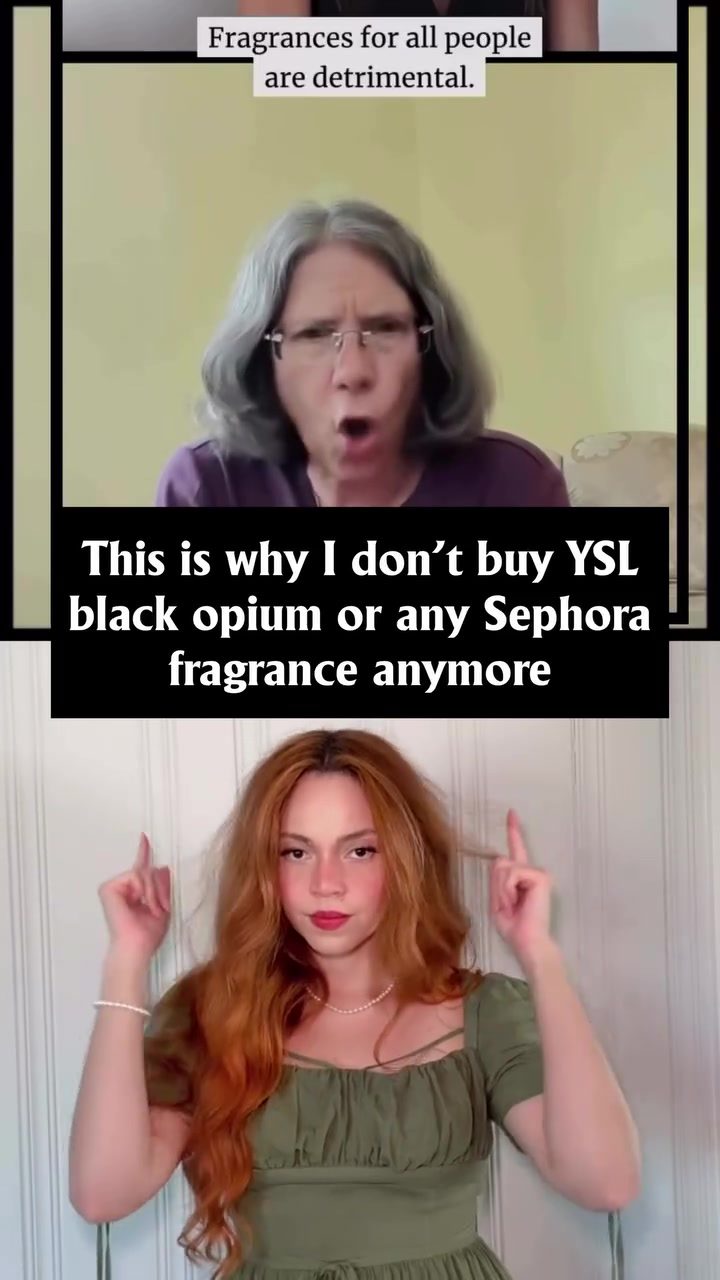
Fragrance and Its Impact on Health and Society
Fragrances in personal care products are often overlooked, yet they are among the most difficult ingredients to evaluate. A single word, "fragrance," can represent dozens or even hundreds of undisclosed chemicals, making it hard to know exactly what you’re applying to your body. This is a significant concern, as fragrances are pervasive in many products, from perfumes to household cleaners.
Why This Matters
Fragrances are not just about smell; they can have profound impacts on health and well-being. The widespread use of fragrances in personal care products, including perfumes, deodorants, and cosmetics, has been linked to various health issues, including cancer and hormonal disruptions. Understanding the implications of using fragranced products is crucial for making informed choices about what we put on our bodies and in our homes.
The Hidden Dangers of Fragrances
Fragrances and Cancer
One of the most alarming facts about fragrances is their potential to disrupt DNA and cause cancer. While the connection between fragrances and cancer is well-documented, many people are unaware of the risks. Perfumes and fragrances can contain harmful chemicals that, over time, can disrupt cellular functions and potentially lead to various health issues.
The Role of Adrenaline and Sweat
Sweating is a natural process that helps regulate body temperature. However, when sweat has an unpleasant odor, it often indicates an issue with adrenal function. Adrenaline, the stress hormone, can cause sweat to smell unpleasant, and factors like coffee, sweets, and fragrances can exacerbate this issue. It's a vicious cycle: the more you use fragrances to cover up the smell, the more you may be contributing to the problem.
The Impact of Marketing and the Market
Marketing plays a significant role in the pervasive use of fragrances. Large companies push fragranced products, and the market responds by demanding more. This cycle is driven by profit, not health considerations. The phrase "whatever the market will bear" perfectly encapsulates this phenomenon: if there's a demand, there will be a supply, regardless of the potential health risks.
Navigating the World of Fragrances
Reading Labels
One of the most important steps in making informed choices about fragrances is learning to read product labels. Even if a product is labeled as "fragrance-free," it may still contain fragrance compounds. Companies often use the term "fragrance" as a broad category to hide the specific chemicals they use. Understanding how to read and interpret ingredient lists is crucial for identifying products that genuinely avoid harmful fragrances.
Avoiding Fragranced Products
When it comes to choosing personal care products, it's essential to avoid fragranced items whenever possible. Opt for products that are labeled "fragrance-free" and double-check the ingredient list to ensure there are no hidden fragrance compounds. Brands like YSL and Sephora often emphasize fragrance, so it's important to be cautious with their products.
Practical Tips for Reducing Fragrance Exposure
1. Choose Fragrance-Free Products
Selecting fragrance-free products for personal care, household cleaning, and cosmetics can significantly reduce exposure to harmful chemicals. Look for products labeled "unscented" or "fragrance-free" and always check the ingredient list to ensure there are no hidden fragrance compounds.
2. Opt for Natural Alternatives
Natural fragrances, derived from essential oils and other plant-based sources, are generally safer than synthetic fragrances. However, even natural fragrances can trigger allergies or sensitivities, so it's essential to use them in moderation.
3. Create a Fragrance-Free Environment
Reduce fragrance exposure in your home by choosing fragrance-free cleaning products, laundry detergents, and air fresheners. Open windows regularly to ensure good ventilation and minimize the buildup of indoor pollutants.
4. Listen to Your Body
Pay attention to how your body responds to fragrances. If you experience headaches, skin irritation, or other symptoms after using a fragranced product, it may be a sign that you're sensitive to the chemicals. Switch to fragrance-free or natural alternatives and monitor your symptoms to see if they improve.
Important Takeaways
Fragrances are a common ingredient in personal care products, and while they may seem harmless, they can have significant health implications. Understanding the potential risks and learning to read ingredient labels are crucial steps in making informed choices. By opting for fragrance-free or natural products, you can reduce your exposure to harmful chemicals and improve your overall health and well-being.
Conclusion
The world of fragrances is complex and often misunderstood. From their potential health risks to their impact on the environment, it's clear that fragrances are more than just a pleasant scent. By taking a proactive approach to choosing personal care and household products, you can minimize exposure to harmful chemicals and promote a healthier, more balanced lifestyle.
Watch the Reel
Questions readers ask
What are the primary health concerns associated with fragrances in personal care products?
Primary health concerns associated with fragrances in personal care products are extensive. They include cancer, hormonal disruptions, and allergic reactions. The hidden ingredients in fragrances can also contribute to respiratory problems and skin irritations.
Why is it difficult to determine the ingredients in fragranced products?
The term 'fragrance' on a product label can encompass a multitude of undisclosed chemicals, sometimes ranging from dozens to hundreds. This lack of transparency makes it challenging to identify all the ingredients in fragrances, which in turn makes it hard to know the potential risks.
What are the benefits of using fragrance-free personal care products?
Fragance-free product do not contain the potentially harmful chemicals found in fragranced products. By choosing fragrance-free options, you can reduce the risk of allergic reactions, skin irritations, and other health issues. These products are particularly beneficial for individuals with fragrance sensitivities or allergies.
How do fragrances in personal care products impact hormonal health?
Fragrances in personal care products can contain endocrine-disrupting chemicals, which can interfere with the body's hormonal systems. Prolonged exposure to these chemicals has been linked to hormonal disruptions, which can have various effects on health, including reproductive issues and developmental problems.
Are there regulations governing the disclosure of fragrance ingredients in personal care products?
Currently, regulations regarding the disclosure of fragrance ingredients are limited. In many regions, companies are not required to disclose the specific chemicals used in their fragrances, which can make it difficult for consumers to make informed decisions about the products they use.
How can I identify personal care products that are free from harmful fragrances?
Look for products labeled as 'fragrance-free' or 'unscented.' Be aware that 'unscented' does not always mean fragrance-free, as it may still contain masking fragrances. Reading ingredient lists and choosing products from brands known for transparency can help you avoid harmful fragrances. Also, opt for products labeled as 'fragrance-free' or 'unscented.'
What are the benefits of transitioning to a fragrance-free lifestyle?
Transitioning to a fragrance-free lifestyle can significantly improve your overall health and well-being. By avoiding fragrances, you can reduce exposure to harmful chemicals, decrease the risk of allergies and sensitivities, and create a healthier living environment. Be aware that some products labeled as 'unscented' may still contain masking fragrances, so it's essential to read ingredient lists carefully.
Related deep dives
Similar reads based on topic and creator.

Recent articles
Fresh deep dives from the latest Reels we unpacked.




Comments
Be the first to comment.