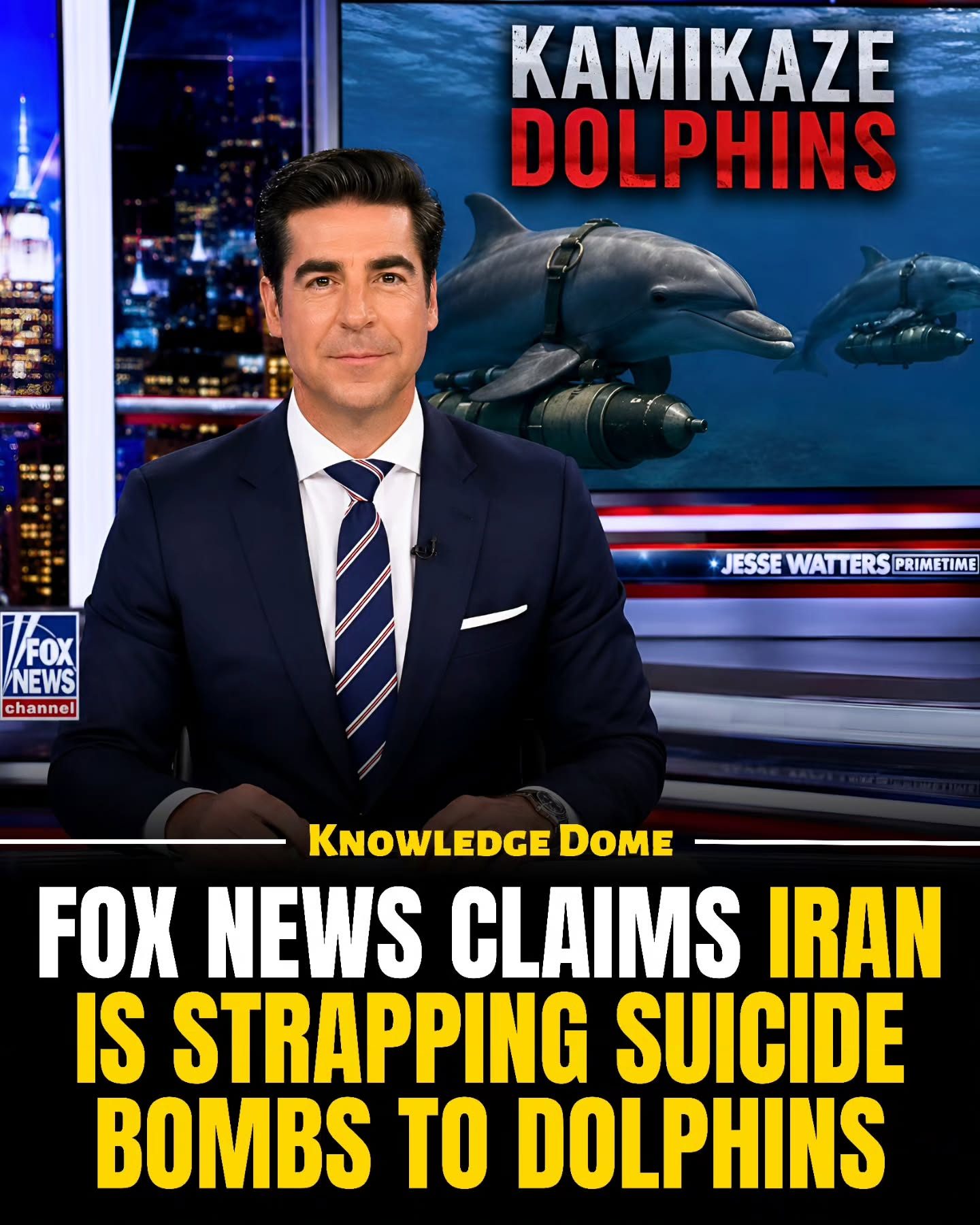
Kamikaze Dolphins: From Satirical Headlines to Military Reality
The idea of dolphins carrying explosives may sound like a far-fetched plot from a blockbuster action movie, but it made headlines when The Wall Street Journal reported that some Iranian officials had discussed a hypothetical plan involving dolphins carrying mines for a possible U.S. naval blockade in the Strait of Hormuz.
The Wall Street Journal report suggested a potential military application of marine mammals, but the story quickly took on a life of its own, particularly when Fox News host Jesse Watters discussed it on his show. The satirical take presented Jesse Watters alongside an image of a dolphin with explosives, a scene designed to provoke laughter and intrigue. The claim was later mocked by Pentagon officials, who confirmed there was no credible evidence supporting the rumor.
Why This Matters
The "kamikaze dolphins" story is more than just a bizarre news headline; it highlights the blurred lines between fact and fiction in modern media. News outlets, social media, and even official statements can sometimes contribute to the spread of misinformation, especially when a story is as sensational as this one. Understanding the context and background behind such claims can help audiences navigate these waters more effectively.
The Origin and Spread of the Story
The story began with a report in The Wall Street Journal, which stated that some Iranian officials had discussed the idea of using dolphins for a strategic military operation in the Strait of Hormuz. The claim suggested that dolphins could be used to carry mines, challenging a potential U.S. naval blockade. The report quickly gained traction, particularly after Jesse Watters discussed it on his Fox News show.
Watters, known for his satirical style, presented the idea with a mix of humor and skepticism. The segment featured a dolphin image with explosives, juxtaposed with the claim that Iran was planning to strap suicide bombs to these marine mammals. The visual and verbal presentation were designed to entertain as much as inform, albeit in a satirical context.
Pentagon's Response
As the story spread, public curiosity and concern grew. The U.S. Pentagon officially addressed the rumors, rejecting the claim. During a press briefing, U.S. Defense Secretary Pete Hegseth stated that there was no evidence supporting the idea that Iran was deploying explosive-carrying dolphins. Joint Chiefs Chairman Gen. Dan Caine added a humorous note by comparing the scenario to a movie plot, emphasizing that the idea was more likely to be a hyperbolic claim than a real military threat. Pentagon officials treated the story as internet speculation, not as an active security concern.
Marine Mammals in the Military: Fact vs. Fiction
While the idea of dolphins carrying explosives is purely hypothetical, the military use of marine mammals is a well-documented reality. The U.S. Navy, for example, has been training dolphins and sea lions since the 1950s. These animals are used for various tasks, including detecting underwater mines, protecting naval areas, and recovering equipment. The Soviet Union also had a military dolphin program in Crimea, and Iran acquired some of those dolphins in 2000. Historical reports indicate that these animals were primarily used for research, rescue, and defensive tasks, rather than for carrying explosives or conducting suicide attacks.
Historical Context and Current Use
The use of marine mammals in military operations is not new. During World War II, the U.S. Navy conducted experiments to determine the potential of using dolphins for detecting underwater mines. This initiative was part of a broader effort to explore unconventional methods to enhance naval capabilities. After the war, these efforts continued. In the 1950s, the U.S. Navy established the Marine Mammal Program, which trained dolphins and sea lions for various tasks.
The Soviet Union also developed a military dolphin program, focusing on similar objectives. After the collapse of the Soviet Union, some of the dolphins from this program were acquired by Iran. Reports suggest that these animals were primarily used for defensive and rescue operations, rather than offensive military tactics.
The Practical Side: Training and Use
Marine mammals, particularly dolphins and sea lions, are valued for their natural abilities. Dolphins, for instance, have exceptional sonar capabilities, which make them ideal for detecting underwater mines and other hazards. Sea lions, on the other hand, are known for their agility and ability to detect and retrieve objects in murky waters. Training these animals involves a combination of positive reinforcement and reward-based techniques, ensuring that they are motivated and willing to perform their tasks.
The U.S. Navy's Marine Mammal Program has been a notable success, with dolphins and sea lions playing crucial roles in various missions. They have been instrumental in safeguarding naval bases and harbors, as well as in conducting search and rescue operations. The program continues to evolve, integrating new technologies and training methods to enhance the effectiveness of these marine mammals in military operations.
Practical Tips
Navigating the headlines and sorting fact from fiction can be challenging, but there are practical steps you can take to stay informed:
- Verify Sources: Always check the credibility of your news sources. Reputable outlets are more likely to provide accurate and verified information.
- Seek Official Statements: When in doubt, look for official statements from relevant authorities. These can provide clarity and context.
- Consult Experts: Turn to experts in the field for insights and explanations. Understanding the background can help you discern the credibility of a claim.
- Stay Informed: Keep up with updates and developments. Information can evolve rapidly, and staying informed can help you stay ahead. By keeping these tips in mind, you can better navigate the complexities of modern media and make informed decisions.
Important Takeaways
The "kamikaze dolphins" story serves as a reminder of the power of media and the importance of critical thinking. While it started as a speculative claim, it quickly took on a life of its own, highlighting the need for careful consideration and verification. Marine mammals have a real and significant role in military operations, but their use is far from the sensationalized headlines.
Conclusion
The story of "kamikaze dolphins" may have started as a piece of satire, but it underscores the importance of discerning fact from fiction in today's information landscape. By understanding the context and the real use of marine mammals in military operations, we can better appreciate the nuances of such claims and navigate the complexities of modern media more effectively.
Watch the Reel
Questions readers ask
How did the story of Iran's kamikaze dolphins gain national attention?
The story gained national attention after Fox News host Jesse Watters featured it on his show, presenting it in a satirical manner with a humorous image of a dolphin with explosives. This sparked widespread interest and discussion, although the Pentagon later dismissed the claim.
What was the initial source of the kamikaze dolphins story?
The initial report came from The Wall Street Journal, which discussed a hypothetical plan by some Iranian officials to use dolphins carrying mines for a possible U.S. naval blockade in the Strait of Hormuz.
Why did the Pentagon mock the idea of Iran using kamikaze dolphins?
The Pentagon officials mocked the idea because it was deemed unrealistic and far-fetched. The U.S. military likely saw the claim as a distraction from more credible threats, making it a target for satire and disbelief.
How did Jesse Watters contribute to the viral spread of the kamikaze dolphins story?
Jesse Watters contributed to the viral spread by discussing the story on his Fox News show and presenting it in a satirical light. His humorous take, including an image of a dolphin with explosives, amplified public interest and turned the story into a widely shared topic.
Are dolphins used in military operations and if so, how?
Dolphins have been used in military operations, primarily for detection and clearance of underwater mines and other hazards. They are trained to swim ahead of ships and detect threats, alerting the crew to potential dangers, but not for carrying explosives.
What is the Strait of Hormuz and why is it significant in the context of the kamikaze dolphins story?
The Strait of Hormuz is a strategic waterway located between Iran and the Arabian Peninsula, connecting the Persian Gulf with the Gulf of Oman and the Arabian Sea. Its significance lies in its role as a critical route for global oil transportation, making it a key point of interest in military and geopolitical discussions, including the hypothetical Iranian plan involving kamikaze dolphins.
What is the difference between a satirical take on news and a factual report?
A satirical take on news uses humor and exaggeration to comment on or mock a topic, often aiming to entertain rather than inform. In contrast, a factual report strives to present accurate and unbiased information, focusing on truth and clarity. Satirical takes, like Jesse Watters' segment on kamikaze dolphins, do not aim to convey verifiable information but rather to provoke laughter and raise awareness through entertainment.
Recent articles
Fresh deep dives from the latest Reels we unpacked.




Comments
Be the first to comment.