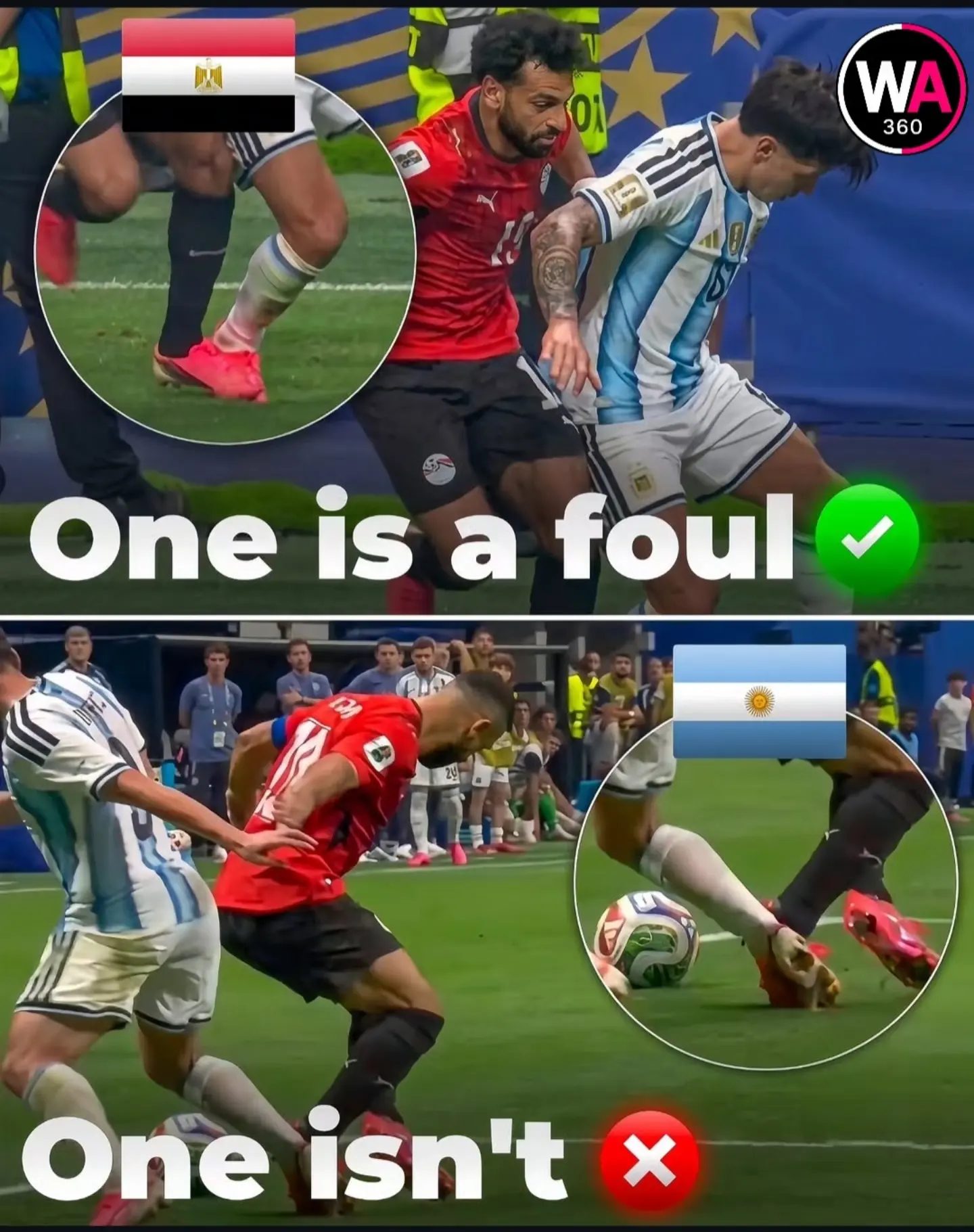
Soccer Foul Comparison: The Debate Over Consistent Refereeing
Understanding football officiating involves grappling with the nuances of foul calls, where similar situations can lead to vastly different outcomes. The debate around referee decisions and the use of Video Assistant Referee (VAR) technology has intensified, especially when comparing plays that look nearly identical. This discussion aims to delve into the intricacies of these decisions, exploring why consistency in officiating is crucial and how slight differences in scenarios can lead to different verdicts.
Why Consistent Refereeing Matters
Football is governed by a set of rules designed to maintain fairness and clarity. However, the credibility of these rules hinges on consistent application. When referees make decisions that seem inconsistent, it can spark intense debate among fans and players alike. The consistency of officiating is vital for maintaining the integrity of the game and ensuring that players and teams are treated fairly. This is especially relevant when comparing fouls from different matches, where similar contact might not always result in the same decision.
The Role of VAR
The introduction of the Video Assistant Referee (VAR) system was intended to enhance consistency and accuracy in officiating. VAR allows referees to review crucial moments, such as fouls, offside calls, and penalties, to ensure the correct decisions are made. However, even with VAR, disagreements and debates persist. This is because the VAR process relies heavily on referee interpretation, which can be subjective.
Timing, Force, and Point of Contact
Every tackle in football is evaluated based on several key factors: timing, force, point of contact, and the referee's view of the incident. These elements can dramatically alter the outcome of a decision. For instance, a tackle that occurs in the penalty box with high force and contact to the leg might be a clear foul, while a similar tackle outside the box, with a slightly different angle or timing, might be deemed fair play.
The Timing of the Challenge
The timing of a tackle is a critical factor. A late tackle that catches the opponent off balance or hits them from behind is often penalized more harshly than an on-time challenge. Referees must assess whether the challenge occurred before, during, or after the opponent had possession of the ball. For example, a tackle that comes after the opponent has already passed the ball might be seen as a less severe foul or even a clean challenge.
The Force and Intensity of the Challenge
The force applied during a tackle can also influence the referee's decision. A high-force tackle, especially one that causes the opponent to lose their balance or results in a hard fall, is more likely to be called as a foul. In contrast, a light tap or a gentle shoulder contact might be allowed to continue. The force must be balanced with other factors, such as the potential for injury, to determine the severity of the foul.
The Point of Contact
The exact point where the tackle occurs is another crucial element. For example, a tackle that makes contact with the ball first and then the player's leg might be seen as a fair challenge. However, if the contact with the player is made before the ball, it can be deemed a foul. Furthermore, the point of contact can be interpreted differently; for example, a tackle on the back, ribs, or neck can result in a harsher penalty than one on the lower leg.
The Referee's View
Even with the aid of VAR, the referee's view remains a significant factor. The perspective from which the referee views the incident can affect the decision. For instance, a referee positioned at a different angle might see the tackle as a foul where another referee might not.
Influence of VAR
VAR has become a double-edged sword in football. On one hand, it provides referees with the ability to correct clear and obvious errors. On the other, it can slow down the game and sometimes fail to resolve ambiguous calls, leading to further debate. The use of VAR is more effective in making decisions on clear fouls, offside calls, and penalties, but it struggles with subjective calls where the timing, force, and point of contact are not clearly distinguishable.
Practical Tips for Viewers
Understanding the Rules
To better appreciate the intricacies of officiating, it's helpful to understand the rules of the game. This includes knowing the differences between various fouls, such as handball, offside, and dangerous play. With a solid grasp of the rules, viewers can better judge the consistency of refereeing decisions.
Watching the Game Closely
Keeping a close eye on the game and the referee's decisions can help viewers appreciate the complexity of officiating. Paying attention to the timing, force, and point of contact in each challenge can provide a deeper understanding of why certain calls are made.
Engaging in Respectful Debate
Football debates are a passionate part of the sport. Engaging in respectful discussions with other fans and players can enhance the enjoyment of the game. Sharing opinions and listening to different viewpoints can provide a broader perspective and a better understanding of the game.
Important Takeaways
- Consistency in officiating is essential for maintaining the credibility of the game. The use of VAR, while helpful, can only do so much to ensure fairness.
- Understanding the factors that influence referee decisions, such as timing, force, and point of contact, can help viewers better appreciate the complexity of officiating.
- Engaging in respectful discussions about refereeing decisions can enhance the enjoyment of the game and provide a deeper understanding of its rules and intricacies.
Conclusion
The debate over consistent refereeing in football is an ongoing and passionate discussion among fans, players, and officials. As the game evolves, so does the need for clarity and consistency in officiating. By understanding the factors that influence referee decisions, viewers can better appreciate the complexity of the game and engage in more informed and respectful debates.
Watch the Reel
Questions readers ask
How does VAR technology aim to improve soccer refereeing consistency?
VAR technology assists referees by reviewing key moments during a match. The system can help correct clear and obvious errors in key match situations, such as goals, penalties, and red cards. This technology provides an extra set of eyes to ensure that the correct decisions are made, reducing the subjectivity that can lead to varied outcomes.
Why do similar fouls in soccer often result in different calls from referees?
Similar fouls can result in different calls due to various factors, including the referee's perspective, the dynamics of the play, and the specific interpretations of the rules. Each situation is unique, and slight differences in context can lead to different decisions. This subjectivity is a key aspect of the debate surrounding referee consistency.
What are some of the key scenarios where VAR technology is utilized in football?
VAR is typically used in four key areas: goals (including offsides and fouls leading to goals), penalties, direct red card incidents, and mistaken identity in awarding a card. The system aims to review these critical moments to ensure that the correct decisions are made on the field, maintaining the integrity of the game.
How do referees interpret soccer rules and decisions, and why can this lead to inconsistencies?
Referees interpret soccer rules based on their training and experience, but their decisions can still be subjective. This subjectivity can lead to inconsistencies, especially in complex situations. Understanding the nuances of these interpretations can provide insight into why similar fouls might result in different calls from different referees.
What role does subjectivity play in soccer refereeing, and how does it affect the game?
Subjectivity in soccer refereeing occurs because many decisions rely on the referee's interpretation of complex situations. This can lead to varied outcomes in similar scenarios, sparking debates among fans, players, and coaches. Subjectivity is a significant factor in the ongoing scrutiny and debate surrounding VAR and officiating decisions.
What challenges do referees face when making calls in soccer?
Referees face numerous challenges, including the fast-paced nature of the game, the need for quick decision-making, and the pressure from fans and players. They also must adhere to complex rules and guidelines, which can lead to inconsistencies in decisions. These challenges are part of the broader debate on maintaining fairness and clarity in the sport.
How does the use of VAR in football impact the game's integrity?
VAR technology aims to enhance the game's integrity by providing more accurate and consistent decisions in key match situations. By reducing the impact of human error, VAR helps maintain the fairness and clarity of the game, but it also introduces its own set of challenges, such as the potential for delays and the need for clear communication between referees and the VAR team.
Recent articles
Fresh deep dives from the latest Reels we unpacked.




Comments
Be the first to comment.