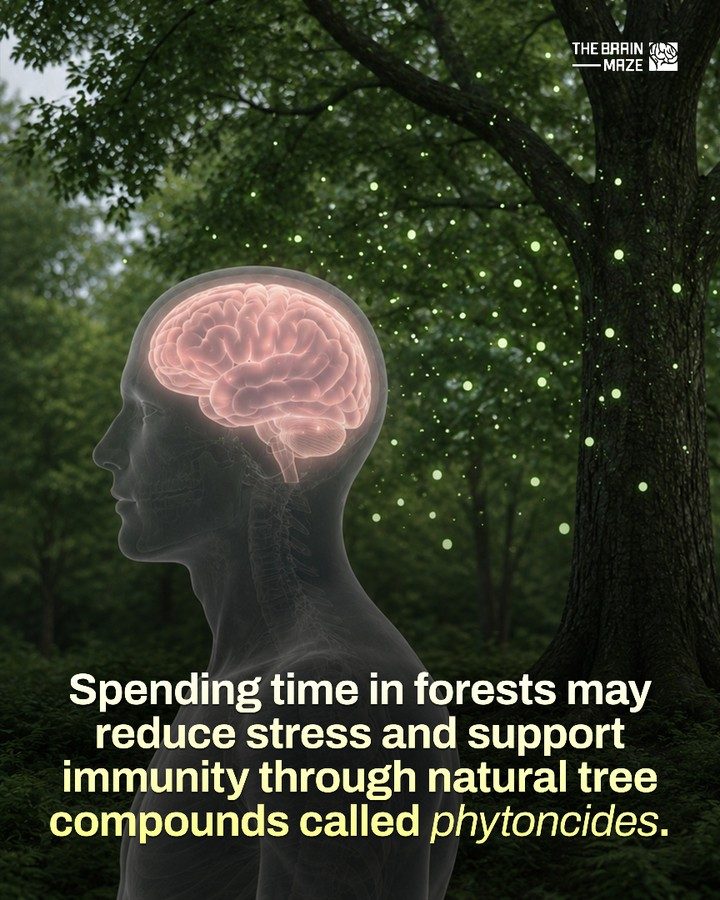
Forest Therapy and Phytoncides
Forest therapy, also known as forest bathing, involves immersing yourself in a forest environment to promote relaxation and well-being. But recent research indicates that spending time in forests may offer more than just a calming experience. Trees release natural compounds called phytoncides, which you inhale while walking through forests. These compounds have been studied for their potential health benefits, particularly in reducing stress and supporting immune function. Let's explore the science behind these claims and how you can incorporate forest therapy into your life.
Why Forest Therapy Matters
Living in a fast-paced world can take a toll on your mental and physical health. Chronic stress can lead to a host of health issues, including weakened immunity. This is where forest therapy comes in. By spending time in forests, you can benefit from the natural compounds released by trees, known as phytoncides, without any additional effort.
The Science of Phytoncides
Phytoncides are volatile organic compounds produced by trees to protect themselves from insects and pathogens. When you inhale these compounds, they can have several positive effects on your body. Studies have shown that phytoncides can lower stress hormones and temporarily boost natural killer (NK) cell activity, which is crucial for immune function.
The Role of Natural Killer (NK) Cells
Natural killer (NK) cells are a type of white blood cell that plays a key role in the immune system. They help fight off infections and cancer by recognizing and destroying infected or abnormal cells. Forest therapy has been shown to temporarily increase NK cell activity, which means your body becomes better equipped to handle infections and other health threats.
The Benefits of Forest Therapy
Stress Reduction
One of the most well-documented benefits of forest therapy is its ability to reduce stress. Studies have found that spending time in forests can significantly lower cortisol levels, a hormone associated with stress. This reduction in stress hormones can lead to a more relaxed and calm state of mind.
Immune Function Support
Phytoncides not only help reduce stress but also support immune function. The temporary increase in NK cell activity observed in studies suggests that regular exposure to these natural compounds could enhance your body's ability to fight off infections and diseases.
Improved Mood
Beyond the physical benefits, spending time in nature can also improve your mood. The calming environment of a forest can help alleviate symptoms of anxiety and depression, promoting mental well-being.
Cardiovascular Health
Research has also indicated that forest therapy can have positive effects on cardiovascular health. Reduced stress levels and lower blood pressure are common outcomes of regular forest bathing, contributing to a healthier heart.
Practical Tips for Forest Therapy
Choose the Right Location
To get the most out of forest therapy, choose a forest or wooded area that you enjoy spending time in. Look for places with diverse tree species to maximize your exposure to different types of phytoncides.
Spend Quality Time
Aim to spend at least two hours in the forest to fully experience the benefits. This can be done in multiple short visits or a single longer visit.
Engage with Nature
Instead of rushing through the forest, take time to engage with your surroundings. Focus on your senses—smell the pine needles, listen to the birds, and feel the breeze on your skin.
Breathe Deeply
Make a conscious effort to breathe deeply and slowly. Deep breathing can help you fully inhale the phytoncides and enhance the calming effects of the forest.
Be Mindful
Practicing mindfulness while in the forest can amplify the benefits. Focus on the present moment and let go of any distractions. You can meditate, do gentle yoga, or simply sit and observe your surroundings.
Important Takeaways
Forest therapy offers a natural way to reduce stress, support immune function, and improve overall well-being. By spending time in forests and inhaling phytoncides, you can tap into the healing power of nature. Incorporating forest therapy into your routine can be as simple as taking a walk in a nearby park or planning a weekend getaway to a national forest.
Conclusion
Embracing the practice of forest therapy can have profound effects on your health and well-being. From reducing stress to boosting immune function, the benefits are both immediate and long-term. By making forest therapy a regular part of your life, you can harness the power of nature to support your mental and physical health. So, the next time you need a break, consider heading to the nearest forest for a dose of natural therapy.
Watch the Reel
Questions readers ask
What are phytoncides and how do they affect my health during forest bathing?
Phytoncides are natural compounds released by trees that can be inhaled during a forest bathing session. These chemicals have been found to reduce stress hormones and increase the activity of natural killer cells in the body, which can strengthen your immune system. This makes forest bathing a beneficial practice for overall health.
How much time should I spend in the forest to experience its benefits?
To gain the benefits of forest bathing, aim for at least two hours spent in a forest environment. This duration allows your body to fully absorb the phytoncides and experience the calming effects of nature.
Can forest bathing help with mental health issues such as anxiety?
Yes, forest bathing has been shown to reduce symptoms of anxiety and depression. The combination of being in nature, breathing in phytoncides, and practicing mindfulness can help lower cortisol levels and promote a sense of tranquility. This effect can lead to improved mental well-being and resilience against stress.
Are there any specific techniques to enhance the benefits of forest bathing?
To maximize the benefits, engage your senses while in the forest. Focus on the sounds, sights, and smells around you. Deep breathing exercises can help you inhale more phytoncides, and mindful walking can enhance your overall experience. Consider going with a group or a trained therapist to guide you through the process.
What are the long-term benefits of regular forest bathing?
Regular forest bathing can lead to sustained improvements in both physical and mental health. Studies suggest that consistent practice can lower blood pressure, improve mood, and enhance immune function. Incorporating forest bathing into your routine can be a proactive way to maintain wellness.
Is it possible to experience benefits from forest bathing in any forest, or do certain types of forests offer more benefits?
Most forests can provide benefits from forest bathing. However, forests with a higher density of trees and diverse plant life may release more phytoncides. The key is to choose a forest that you find calming and where you can comfortably spend time.
Can forest bathing be combined with other stress reduction techniques for better results?
Yes, combining forest bathing with other stress reduction techniques can amplify their benefits. Practicing mindfulness meditation, yoga, or deep breathing exercises in a forest environment can enhance the overall experience. These practices can help you become more attuned to the natural surroundings and deepen your relaxation.
Related deep dives
Similar reads based on topic and creator.

Recent articles
Fresh deep dives from the latest Reels we unpacked.




Comments
Be the first to comment.