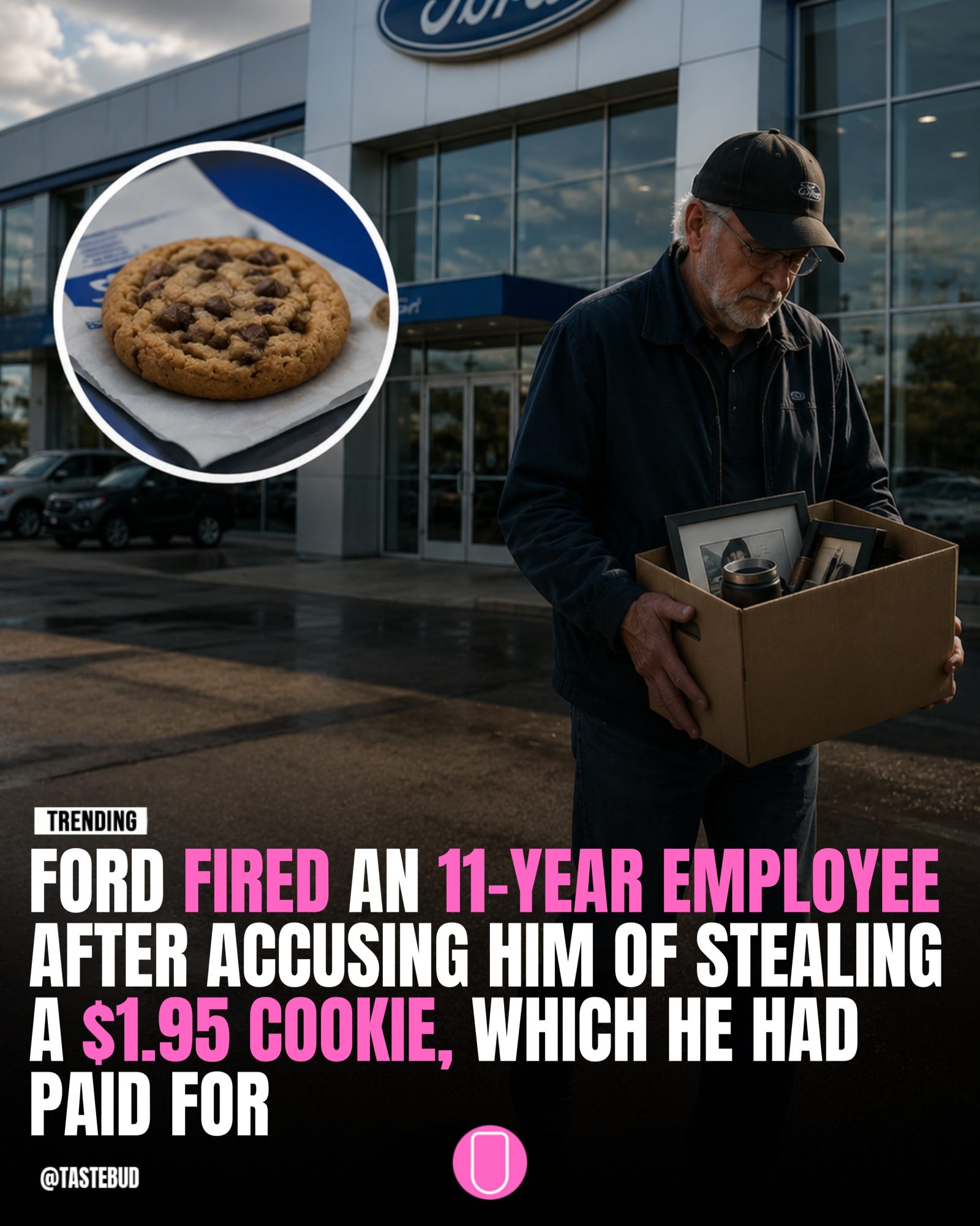
Ford Employee Cookie Dispute
A Ford employee, Kurt Kromm, was fired after being accused of stealing a $1.95 chocolate chip cookie from a self-checkout kiosk during a night shift. This incident, which began as a minor misunderstanding, escalated into a significant life change for Kromm. The story highlights the complexities of workplace incidents and the importance of trust and communication in the workplace.
Context / Why this matters
How a workplace responds to incidents can have far-reaching effects on its employees. The outcome of this situation underscores the importance of fair and transparent processes in resolving disputes. The incident revolves around a self-checkout kiosk, a common fixture in many workplaces, and highlights the potential pitfalls of relying solely on automated systems for monitoring and discipline.
The Incident
The incident unfolded when Kromm, experiencing a drop in blood sugar, grabbed a cookie from the self-checkout kiosk. The first kiosk failed, so he paid at a second kiosk. However, security footage showed him taking the cookie without paying, leading to his termination. The employee provided bank records proving he had paid for the cookie, which led Ford to reverse their decision.
The Aftermath
Ford offered Kromm his job back along with $33,000 in back pay, but Kromm declined the offer. He cited a loss of trust in the company and the lack of a genuine apology as reasons for his decision. This refusal highlights the importance of trust and communication in the workplace, as well as the potential consequences of mishandling such incidents.
The Impact on Kromm
The incident had a profound impact on Kromm's life. The loss of trust and the way he was treated by the company led him to seek better opportunities closer to home, as well as to look out for himself and his health. This incident serves as a reminder that workplace incidents can have far-reaching effects on an employee's personal and professional life.
Lessons for Employers
This situation offers several key takeaways for employers:
Importance of Fair and Transparent Processes
It is crucial for employers to have fair and transparent processes in place for resolving disputes. This includes thoroughly investigating incidents and considering all evidence before making a decision. In this case, Ford's initial decision to terminate Kromm was based on incomplete information, leading to an unjust outcome.
The Role of Trust and Communication
Trust and communication are essential in any workplace. Employers should prioritize building and maintaining trust with their employees, as well as fostering open lines of communication. In this case, the lack of a genuine apology and the way Kromm was treated destroyed his trust in the company, leading to his decision to decline the offer to return.
The Role of Technology
Self-checkout kiosks and other automated systems can be useful in tracking and monitoring workplace incidents, but they should not be relied upon solely. Employers should have a combination of automated and human monitoring in place to ensure that incidents are resolved fairly and transparently.
Practical Tips
To prevent similar incidents from occurring in the future, employers should consider the following practical tips:
Reviewing Policies and Procedures
Review and update workplace policies and procedures to ensure that they are fair and transparent. This includes having clear guidelines for resolving disputes and ensuring that all evidence is considered before making a decision.
Training for Managers and Employees
Provide training for managers and employees on the importance of trust and communication in the workplace. This can help to foster a positive work environment and prevent incidents from escalating.
Consideration of Employee Well-being
Consider the well-being of employees when resolving incidents. This includes providing support and resources to employees who may be experiencing personal or professional challenges, as well as ensuring that they are treated with respect and dignity.
Conclusion
The incident involving Kurt Kromm and Ford serves as a reminder of the importance of fair and transparent processes, trust, and communication in the workplace. Employers should consider the impact of their actions on employees and prioritize building and maintaining positive work environments. By doing so, they can prevent similar incidents from occurring and foster a positive and productive workplace culture.
Watch the Reel
Questions readers ask
Why was the Ford employee fired over a $1.95 cookie?
The Ford employee, Kurt Kromm, was fired due to an accusation of theft involving a $1.95 chocolate chip cookie. The incident occurred at a self-checkout kiosk during his night shift, and despite the minor value of the item, the company's response led to his dismissal.
What role did the self-checkout kiosk play in this incident?
The self-checkout kiosk was central to the incident as it was the site of the alleged theft. The kiosk's automated monitoring system flagged the incident, highlighting the potential issues with relying solely on such systems for accurate incident reporting.
How did this minor incident have such a significant impact on the employee's life?
The dismissal over a seemingly minor incident had profound consequences for Kurt Kromm. It not only resulted in the loss of his job but also impacted his career and personal life, demonstrating how workplace incidents can escalate and have far-reaching effects.
What does this case reveal about workplace trust and communication?
The case underscores the importance of trust and open communication in the workplace. The lack of clear communication and a fair dispute resolution process exacerbated the situation, leading to the employee's termination over a minor issue.
What are the potential pitfalls of relying on automated monitoring systems in the workplace?
Automated monitoring systems, while efficient, can lead to misunderstandings and unfair outcomes if not supplemented with human oversight. They may not account for all context and circumstances, as seen in the Ford cookie incident, where a minor issue escalated due to a lack of proper review.
What steps could Ford have taken to handle this situation differently?
Ford could have handled the situation more effectively by implementing a fair and transparent dispute resolution process. This might have involved a thorough investigation, open dialogue with the employee, and considering the context of the incident before taking disciplinary action.
How can workplaces prevent similar incidents from escalating?
To prevent similar incidents, workplaces should foster a culture of trust and open communication. Regularly reviewing and updating policies on automated monitoring, and ensuring that dispute resolution processes are fair and transparent, can help mitigate the risk of minor issues becoming major problems.
Related deep dives
Similar reads based on topic and creator.


Recent articles
Fresh deep dives from the latest Reels we unpacked.




Comments
Be the first to comment.