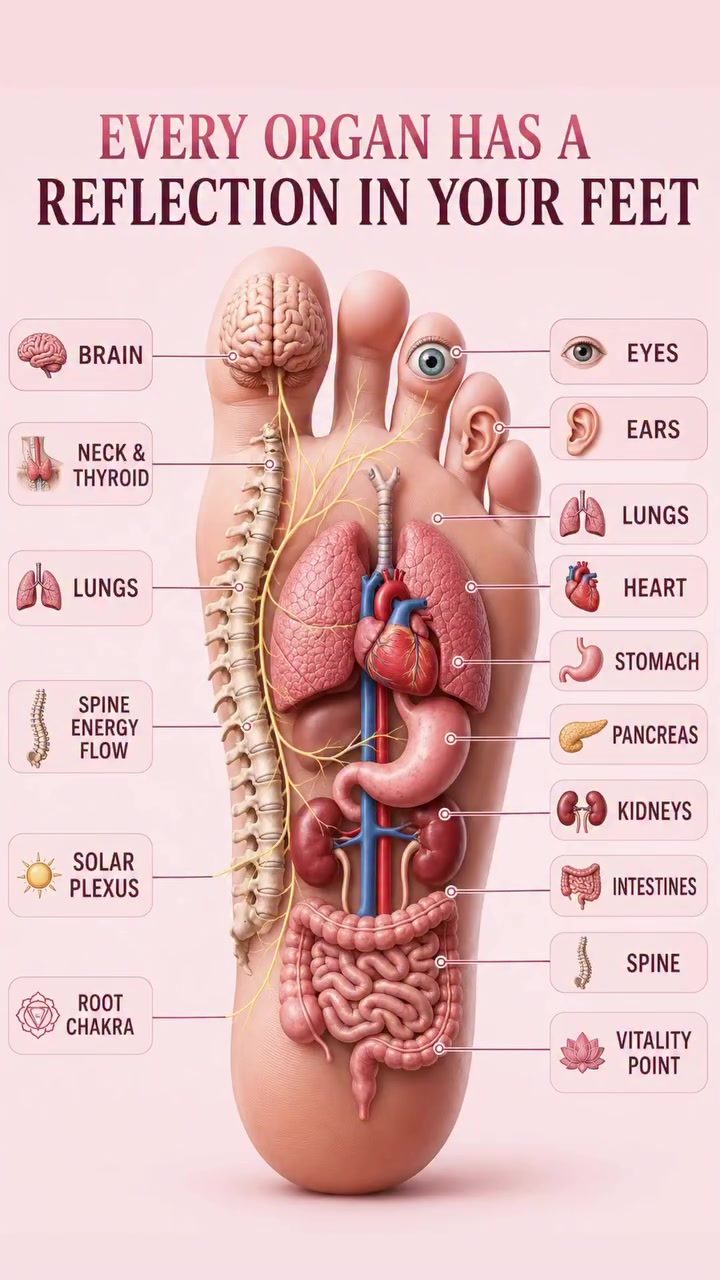
Foot Reflexology: Understanding the Connection Between Feet and Internal Organs
Foot reflexology is a popular complementary therapy that suggests specific areas of the feet correspond to different organs in the body. This concept is based on the idea that each organ has a reflection in the feet, and by applying pressure to these specific points, one can potentially influence the health of the corresponding organ. While the therapy is widely practiced and enjoyed by many, it's important to understand the scientific context and potential benefits.
Why Reflexology Matters
The idea that the feet can be used to diagnose or treat diseases of internal organs has been a topic of interest for many people seeking holistic health practices. While reflexology is not a replacement for medical treatment, it can be a complementary practice that may help improve overall well-being.
Pressure points on the feet are believed to correspond to various organs and systems in the body. For example, the big toe is connected to the brain, the ball of the foot to the heart, and the arch to the pancreas. By applying pressure to these points, some people report feeling more relaxed and experiencing a temporary relief from pain.
The Science Behind Reflexology
The Concept of Reflexology
Reflexology is based on the principle that the body has natural energy zones that connect to different organs. By stimulating these zones through foot massage, one can potentially enhance the flow of energy and improve the overall health of the corresponding organs.
Each map of reflexology typically includes various key points:
- Brain: Located at the tips of the toes
- Eyes: Located on the pads of the toes
- Neck and Thyroid: Located at the base of the toes
- Ears: Located under the toes
- Lungs: Located the middle of the ball of the foot
- Heart: Located in the ball of the foot
- Stomach: Located in the arch of the foot
- Pancreas: Located in the arch of the foot
- Kidneys: Located in the inner side of the foot
- Intestines: Located in the heel
- Spine: Located along the center of the foot
Efficacy and Benefits
Reflexology may help in several ways, including:
- Promote relaxation: The soothing touch of reflexology can help lower stress and anxiety, which can have positive effects on overall health.
- Reduce stress and anxiety: The gentle pressure and relaxation techniques can promote a sense of calm and reduce overall stress.
- Temporarily relieve pain: Some people report temporary relief from pain after a reflexology session, although the scientific evidence supporting this is limited.
- Improve overall well-being: By enhancing relaxation and stress reduction, reflexology can contribute to a general sense of well-being.
Lack of Scientific Evidence
Despite its popularity, the scientific evidence supporting the claims that foot reflexology can diagnose or treat diseases of internal organs is minimal. Current research indicates that reflexology is not a substitute for medical treatment. There is no strong evidence that it can cure diseases, improve organ function, or replace medical treatment.
Exploring the Benefits and Limitations
What Reflexology Can Offer
Reflexology can be a useful complement to traditional medical treatment. It offers a relaxing and stress-relieving experience that can enhance overall well-being. However, it's essential to understand that it should not replace professional medical advice or treatment.
When to Seek Professional Help
If you experience symptoms related to your heart, lungs, kidneys, stomach, or any other organ, it is crucial to consult a qualified healthcare professional. Reflexology is not a diagnostic tool and should not be used to evaluate or treat underlying medical conditions.
Energy Flow and Chakras
Reflexology often incorporates elements related to energy flow and chakras. These concepts are based on traditional Eastern medicine and suggest that the body has energy pathways that can be stimulated to promote healing and well-being. While these concepts are integral to reflexology, they lack robust scientific validation and should be considered as complementary to, not replacements for, conventional medical practices.
Practical Tips for Trying Reflexology
If you're interested in trying reflexology, here are some practical tips to get started:
- Find a Qualified Practitioner: Look for a certified reflexologist who has undergone proper training and has experience in the field.
- Communicate Openly: Discuss your expectations and any health concerns with your practitioner. Make sure they understand your goals and any specific areas of concern.
- Relax and Enjoy: Try to relax and enjoy the experience. The benefits of reflexology are often enhanced when you are in a relaxed state.
- Combine with Other Practices: Consider integrating reflexology with other complementary therapies like massage, acupressure, or meditation for a more holistic approach to wellness.
- Consult a Healthcare Professional: Always consult a healthcare professional before starting any new therapeutic practice, especially if you have underlying health conditions.
Important Takeaways
- Foot reflexology is a complementary therapy that suggests specific areas of the feet correspond to different organs.
- Current scientific evidence does not support the claim that reflexology can diagnose or treat diseases of internal organs.
- Reflexology may help promote relaxation, reduce stress and anxiety, temporarily relieve pain, and improve overall well-being.
Conclusion
Foot reflexology is a fascinating practice that offers potential benefits for relaxation and well-being. While it should not be relied upon to diagnose or treat diseases, it can be a valuable addition to a holistic health regimen. If you are considering reflexology, be sure to consult with a qualified practitioner and always seek professional medical advice for any health concerns.
Watch the Reel
Questions readers ask
Which internal organs are connected to the soles of my feet?
The soles of your feet are believed to correspond to many internal organs, including the lungs, liver, and kidneys. The big toe can correspond to the brain and is linked to the big toe, while the tips of the toes are connected to the heart, lungs, and brain, according to reflexology charts.
Can reflexology help with specific organ-related issues, such as kidney problems?
Reflexology may help alleviate stress and tension, which can indirectly support organ health. For the kidneys, specific points on the soles of the feet, particularly in the arch and heel areas, are targeted. However, it is crucial to consult a healthcare professional for any medical concerns.
What does the foot reflexology map say about the heart?
In foot reflexology, the heart is often linked to the tips of the toes, particularly the balls of the feet. Applying pressure to these areas is thought to promote heart health and encourage relaxation.
How does a foot reflexology chart help me understand internal organs?
A foot reflexology chart provides a visual guide to the specific points on the feet that correspond to different internal organs. By locating these points, you can apply pressure to potentially influence the health of the connected organs, such as the liver, lungs, and kidneys.
What are the benefits of using a foot reflexology chart for internal organ health?
Using a foot reflexology chart can help you target specific areas of the feet to promote relaxation and relieve stress. While it does not provide medical treatment, it may complement other wellness practices by potentially enhancing overall well-being and supporting internal organs.
Is there scientific evidence supporting the connection between foot reflexology and internal organs?
The scientific evidence supporting the direct connection between foot reflexology and internal organ health is limited. While some studies suggest potential benefits for relaxation and pain relief, more research is needed to validate the specific claims related to organ health. It is always best to consult with a healthcare professional for any medical advice.
How do I find the reflexology points for my lungs on a foot reflexology chart?
On a foot reflexology chart, the lungs are typically associated with the ball of the foot, particularly in the area just below the toes. Applying gentle pressure to this area is thought to potentially support lung health and promote relaxation.
Recent articles
Fresh deep dives from the latest Reels we unpacked.




Comments
Be the first to comment.