Foot Health: Warning Signs and What They Might Mean
Feet are often overlooked when it comes to overall health, but they can provide critical insights into your well-being. Understanding the warning signs your feet might be exhibiting can help you identify and address potential health issues early.
Why This Matters
Foot symptoms can sometimes be the first indicators of underlying health conditions. Early detection of these symptoms can lead to timely intervention and better management of various diseases. Recognizing the significance of foot health is crucial for maintaining overall well-being.
Main Discussion
Common Foot Symptoms and Their Meanings
Feet can reveal a lot about your health, and certain symptoms might be linked to specific medical conditions.
Numbness and Tingling
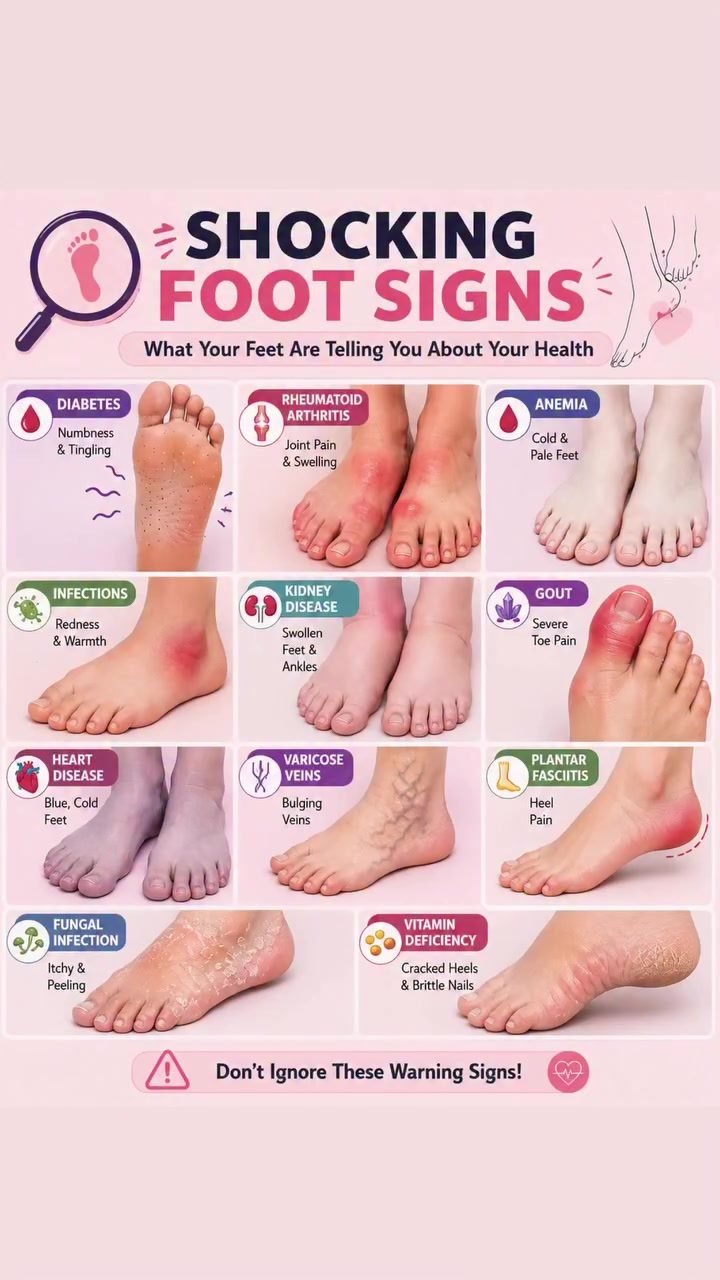
Persistent numbness or tingling in the feet can be a sign of diabetes, especially if accompanied by other symptoms like increased thirst, frequent urination, or unexplained weight loss. Diabetes can cause nerve damage, leading to these sensations. If you experience these symptoms, it's important to consult a healthcare professional for proper evaluation.
Joint Pain and Swelling
Joint pain and swelling in the feet can indicate rheumatoid arthritis, an autoimmune disorder that causes inflammation in the joints. This condition can lead to significant discomfort and reduced mobility. Early diagnosis and treatment can help manage symptoms and prevent further joint damage.
Cold and Pale Feet
Cold and pale feet might suggest anemia, a condition characterized by a low red blood cell count. Anemia can cause fatigue, weakness, and a pale complexion. It is essential to get a comprehensive check-up to determine the underlying cause of anemia, which could be due to iron deficiency, vitamin B12 deficiency, or other factors.
Redness and Warmth
Redness and warmth in the feet can indicate an infection, such as a bacterial or fungal infection. These symptoms might also be accompanied by pain and swelling. Prompt medical attention is necessary to prevent the infection from spreading and causing more severe complications.
Swollen Feet and Ankles
Swollen feet and ankles can be a sign of kidney disease. Kidneys play a crucial role in filtering waste and excess fluid from the body. When kidney function is impaired, fluid retention can occur, leading to swelling in the extremities. Early detection and management of kidney disease can help prevent further damage to the kidneys and improve overall health.
Severe Toe Pain
Severe pain in the big toe might indicate gout, a form of arthritis caused by the buildup of uric acid crystals in the joints. Gout can cause intense pain, redness, and swelling. Dietary changes and medication can help manage gout and prevent future flare-ups.
Blue or Discolored Feet
Blue or discolored feet can be a sign of poor circulation, which might be associated with heart disease. Reduced blood flow to the extremities can cause discoloration and a sensation of coldness. If you notice these symptoms, it is important to seek medical advice to rule out any underlying cardiovascular issues.
Bulging Veins
Bulging veins, often seen as varicose veins, can indicate venous insufficiency, a condition where the veins struggle to return blood to the heart. This can cause swelling, discomfort, and sometimes skin changes. Lifestyle modifications and medical interventions can help manage varicose veins and improve circulation.
Heel Pain
Heel pain, especially when taking the first steps in the morning, can be a sign of plantar fasciitis. This condition is caused by inflammation of the plantar fascia, a thick band of tissue that runs along the bottom of the foot. Stretching exercises and orthotics can help alleviate symptoms and prevent further damage.
Itchy and Peeling Skin
Itchy, peeling skin on the feet can indicate a fungal infection, such as athlete's foot. Fungal infections are contagious and can spread easily. Proper hygiene, antifungal creams, and keeping the feet dry can help manage and prevent these infections.
Cracked Heels and Brittle Nails
Cracked heels and brittle nails can be signs of vitamin deficiency, particularly vitamin B12 or iron deficiency. These deficiencies can cause various skin and nail issues. A balanced diet and supplements can help address these deficiencies and improve overall foot health.
Practical Tips
-
Regular Check-ups: Schedule regular foot check-ups with a healthcare professional, especially if you have a history of diabetes, arthritis, or other chronic conditions.
-
Foot Care Rountine: Establish a daily foot care routine that includes washing, drying, and moisturizing your feet. This helps prevent infections and keeps your feet healthy.
-
Proper Footwear: Wear comfortable, well-fitting shoes that provide adequate support. Avoid high heels and tight shoes that can cause discomfort and lead to foot problems.
-
Exercise and Stretch: Regular exercise and foot stretches can improve circulation and flexibility, reducing the risk of foot pain and other issues.
-
Healthy Diet: Maintain a balanced diet rich in vitamins and minerals to support overall health, including foot health.
-
Hydrate: Drink plenty of water to keep your body hydrated and promote healthy circulation.
Important Takeaways
While many foot changes are harmless, persistent symptoms such as pain, color changes, wounds that don’t heal, numbness, or swelling should be assessed by a healthcare professional. Early evaluation can help identify and treat underlying problems before they become more serious.
Conclusion
Paying attention to the signs your feet provide can offer essential clues about your overall health. By recognizing and addressing these warning signs, you can take proactive steps to maintain your well-being and prevent potential health issues. Always consult a healthcare professional for personalized advice and treatment.
Watch the Reel
Questions readers ask
What does persistent numbness in the feet indicate?
Persistent numbness in the feet can be a sign of several underlying conditions, such as diabetes, peripheral neuropathy, or poor circulation. If you experience this symptom, it's important to consult a healthcare professional for a thorough evaluation.
How are varicose veins in the feet managed?
Varicose veins in the feet can be managed through various methods, including lifestyle changes like regular exercise, elevating the feet, and wearing compression stockings. In more severe cases, medical procedures such as sclerotherapy or laser treatment may be recommended by a healthcare provider.
What are the signs of fungal infections in the feet?
Fungal infections in the feet, such as athlete's foot, often present with symptoms like itching, burning, and flaking skin. In some cases, you may also notice redness, blisters, or a foul odor. If you suspect a fungal infection, over-the-counter creams can help, but for persistent cases, consulting a healthcare professional is advisable.
Can foot pain be related to kidney disease?
Yes, foot pain can be an indicator of kidney disease. Poor kidney function can lead to a buildup of toxins in the body, which may cause nerve damage and subsequent foot pain, numbness, or tingling. If you experience these symptoms and have a history of kidney issues, seek medical advice.
What are the key symptoms of plantar fasciitis and how can it be treated?
Plantar fasciitis is characterized by sharp pain in the heel, often worst in the morning or after periods of rest. Treatment options include resting the foot, using ice packs, taking over-the-counter pain relievers, and wearing supportive shoes or orthotics. In some cases, physical therapy or cortisone injections may be recommended.
How does foot health relate to diabetes?
Foot health is closely linked to diabetes, as the condition can cause nerve damage and poor circulation, leading to issues like numbness, slow-healing wounds, and increased risk of infections. Regular foot checks and proper foot care are essential for people with diabetes to prevent serious complications.
What does a change in foot skin color signify?
A change in foot skin color can indicate various health issues, such as poor circulation, infections, or even more serious conditions like Raynaud's disease or peripheral artery disease. If you notice any unusual skin color changes in your feet, it is wise to consult a healthcare provider for an accurate diagnosis and appropriate treatment.
Recent articles
Fresh deep dives from the latest Reels we unpacked.




Comments
Be the first to comment.