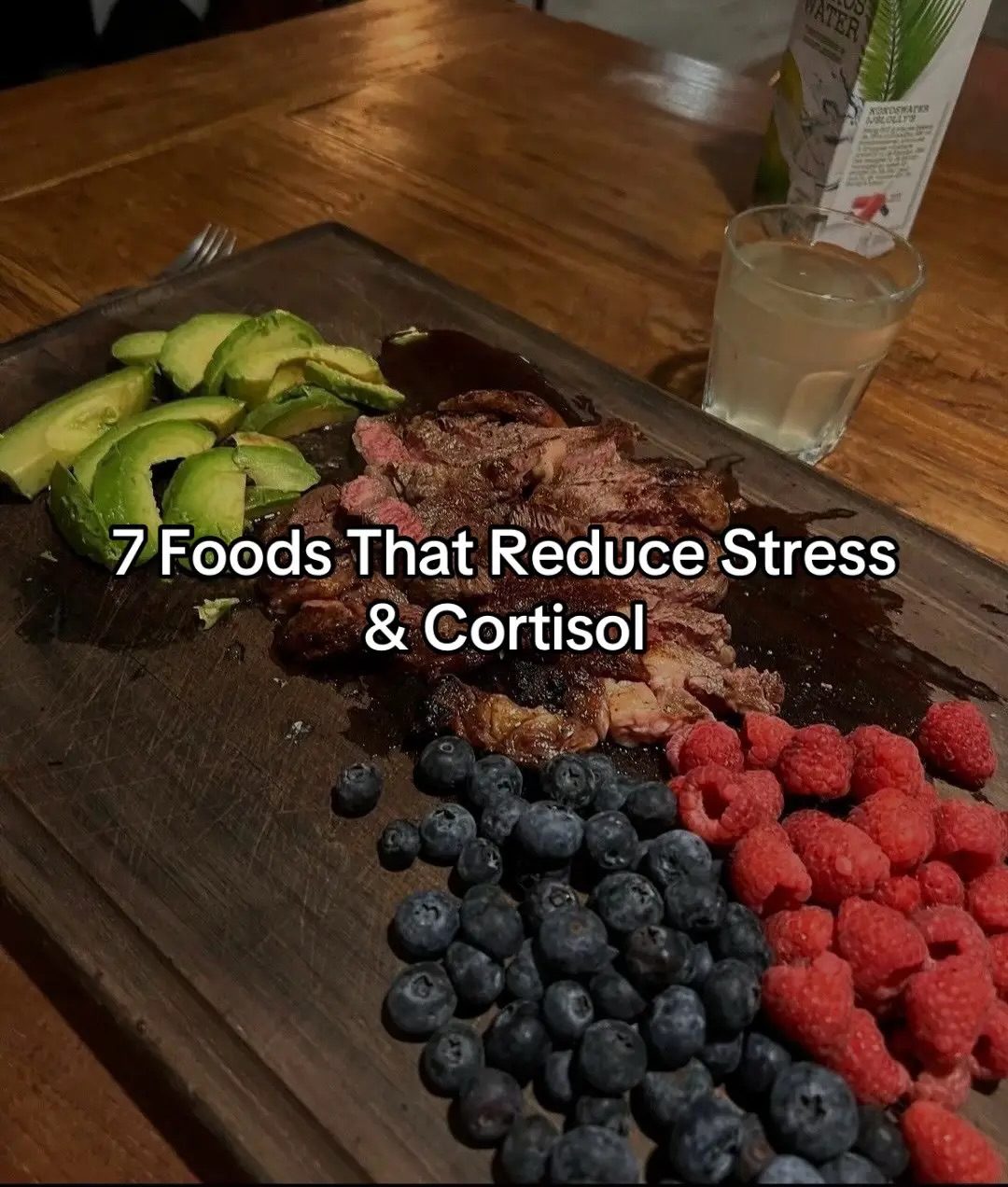
Stress-Fighting Foods and the Hormonal Connection
Stress is a natural part of life that affects everyone, but it's important to understand that it isn't merely a mental state. Stress lives in your hormones too, particularly cortisol, the stress hormone. What you eat can directly impact your cortisol levels, mood, and energy. Certain foods can help reduce stress and promote a sense of calm and well-being. Here are some of the top stress-fighting foods and how they work.
Why This Matters
Understanding how nutrition affects stress can significantly improve overall well-being. When the body is under stress, it produces cortisol, which can lead to various health issues if not managed properly. Incorporating the right foods into your diet can help regulate cortisol levels, reducing stress and promoting better health.
Top Stress-Fighting Foods
1. Dark Chocolate
Dark chocolate is a delicious way to boost your mood and reduce stress. It contains serotonin, a neurotransmitter that helps regulate mood and reduce stress. Dark chocolate also contains antioxidants, which can protect the brain and reduce inflammation.
The right kind of dark chocolate, with at least 70 percent cocoa, is the best for stress reduction. Consuming a small amount daily can help manage stress levels and improve mood.
2. Salmon
Salmon is rich in omega-3 fatty acids, which are known for their anti-inflammatory properties. Chronic inflammation is linked to increased stress levels, so enjoying a serving of salmon can help combat stress by reducing inflammation.
Salmon is a versatile food that can be incorporated into various dishes, making it an easy addition to your diet. Whether grilled, baked, or smoked, salmon can be a delicious and healthy option for managing stress.
3. Green Tea
Green tea contains an amino acid called L-theanine, which promotes calm focus without the jitters or crash associated with caffeine. L-theanine can help reduce stress by promoting a sense of calm and relaxation.
Drinking a cup of green tea can be a soothing way to manage stress. Its mild caffeine content can also help improve focus and productivity without causing anxiety or stress.
4. Blueberries
Blueberries are packed with antioxidants that protect the brain and reduce inflammation. Chronic inflammation can lead to increased stress levels, so incorporating blueberries into your diet can help manage stress.
Blueberries are versatile and can be added to smoothies, yogurt, oatmeal, or enjoyed as a healthy snack. They are a delicious and nutritious way to promote stress reduction and overall health.
5. Turmeric
Turmeric is a spice known for its powerful anti-inflammatory properties. Inflammation is a common cause of stress, so consuming turmeric can help reduce stress by lowering inflammation levels.
Turmeric can be added to various dishes, such as curries, soups, and stews, or taken as a supplement. It is a versatile and flavorful way to promote stress reduction and overall health.
6. Bananas
Bananas are rich in potassium and magnesium, which are essential for relaxation and stress reduction. These minerals help regulate the nervous system, promoting a sense of calm and well-being.
Bananas can be enjoyed as a snack or added to smoothies, oatmeal, or yogurt. They are a convenient and delicious way to manage stress and promote overall health.
7. Yogurt
Yogurt is a great source of probiotics, which support a healthy gut. The gut-brain connection is well-documented, and a healthy gut can promote a calm mind.
Choosing yogurt with live cultures and low sugar is essential for optimal benefits. You can enjoy yogurt as a snack, add it to smoothies, or use it as a base for dressings and dips.
Practical Tips for Incorporating Stress-Fighting Foods
-
Plan Your Meals: Incorporate stress-fighting foods into your meal plan. This ensures you get the necessary nutrients to manage stress effectively.
-
Healthy Snacking: Keep stress-fighting snacks like blueberries, bananas, and dark chocolate on hand for quick and healthy snacking options.
-
Hydrate: Staying hydrated is crucial for overall health and stress management. Drink plenty of water, herbal teas, and green tea.
-
Avoid Processed Foods: Limit your intake of processed foods and sugars, which can exacerbate stress and inflammation.
-
Mindful Eating: Pay attention to your food and how it makes you feel. Eating mindfully can help you appreciate the benefits of stress-fighting foods and enjoy the process of nourishing your body.
Important Takeaways
Stress reduction is a holistic process that involves both mental and physical practices. While exercise and mindfulness are crucial, nutrition plays a significant role in managing stress.
-
Food and Stress: What you eat directly impacts your cortisol levels, mood, and energy. Incorporating stress-fighting foods into your diet can help manage stress effectively.
-
Balanced Diet: Eating a balanced diet rich in whole foods, antioxidants, and anti-inflammatory nutrients can promote stress reduction and overall health.
-
Hormonal Connection: Understanding the connection between stress and hormones is essential for managing stress effectively. Food can directly impact your hormonal balance, promoting a sense of calm and well-being.
Conclusion
Incorporating stress-fighting foods into your diet can significantly impact your overall well-being. By choosing foods that help your body recover, think clearly, and feel good, you can manage stress more effectively. Whether you opt for dark chocolate, salmon, green tea, blueberries, turmeric, bananas, or yogurt, each of these foods offers unique benefits for stress reduction.
Watch the Reel
Questions readers ask
What are some of the best foods for reducing stress and anxiety?
Foods rich in serotonin, like dark chocolate, and those packed with omega-3 fatty acids, such as salmon, are among the best for reducing stress and anxiety. These foods help lower cortisol levels, promoting a sense of calm and well-being.
How does dark chocolate help in lowering cortisol levels?
Dark chocolate is rich in serotonin, a neurotransmitter that helps regulate mood and reduce stress. By increasing serotonin levels, dark chocolate can help lower cortisol, the stress hormone, and promote relaxation.
What role do omega-3 fatty acids play in managing stress?
Omega-3 fatty acids, found in foods like salmon and walnuts, have anti-inflammatory properties that can help reduce stress. They work by regulating cortisol levels and supporting overall brain health, which can improve mood and reduce stress symptoms.
Can green tea really help with stress relief?
Yes, green tea contains an amino acid called L-theanine, which promotes relaxation and reduces stress. It also contains antioxidants that can help lower cortisol levels, making it an effective beverage for managing stress.
How does turmeric help in reducing stress?
Turmeric contains curcumin, a compound with strong anti-inflammatory properties. By reducing inflammation, curcumin can help lower cortisol levels and improve overall mood, making turmeric a beneficial addition to a stress-reducing diet.
What are some anti-inflammatory foods that can help with stress reduction?
Anti-inflammatory foods like fatty fish, berries, leafy greens, and nuts can help reduce stress by lowering cortisol levels. These foods support overall health and help manage the body's stress response more effectively.
Why is it important to incorporate stress-fighting foods into your diet?
Incorporating stress-fighting foods into your diet can significantly improve your overall well-being. These foods help regulate cortisol levels, reduce stress, and promote a sense of calm and well-being, which can have a positive impact on both your mental and physical health.
Recent articles
Fresh deep dives from the latest Reels we unpacked.




Comments
Be the first to comment.