Weight loss vs. Weight gain: The role of foods in your body
We have all heard conflicting advice about which foods contribute to weight loss or gain. This dichotomy is often confusing and can make it difficult to navigate what you should be eating. To clear up some of the confusion, let’s dive into a few key foods and how they can affect your weight.
Why This Matters
Understanding the impact of different foods on weight loss or gain is crucial for making informed dietary choices. While it's important to remember that portion control and overall diet play significant roles, certain foods can either support or hinder weight management goals. By knowing which foods align with your objectives, you can optimize your eating habits and achieve your desired results more effectively.
Main Discussion
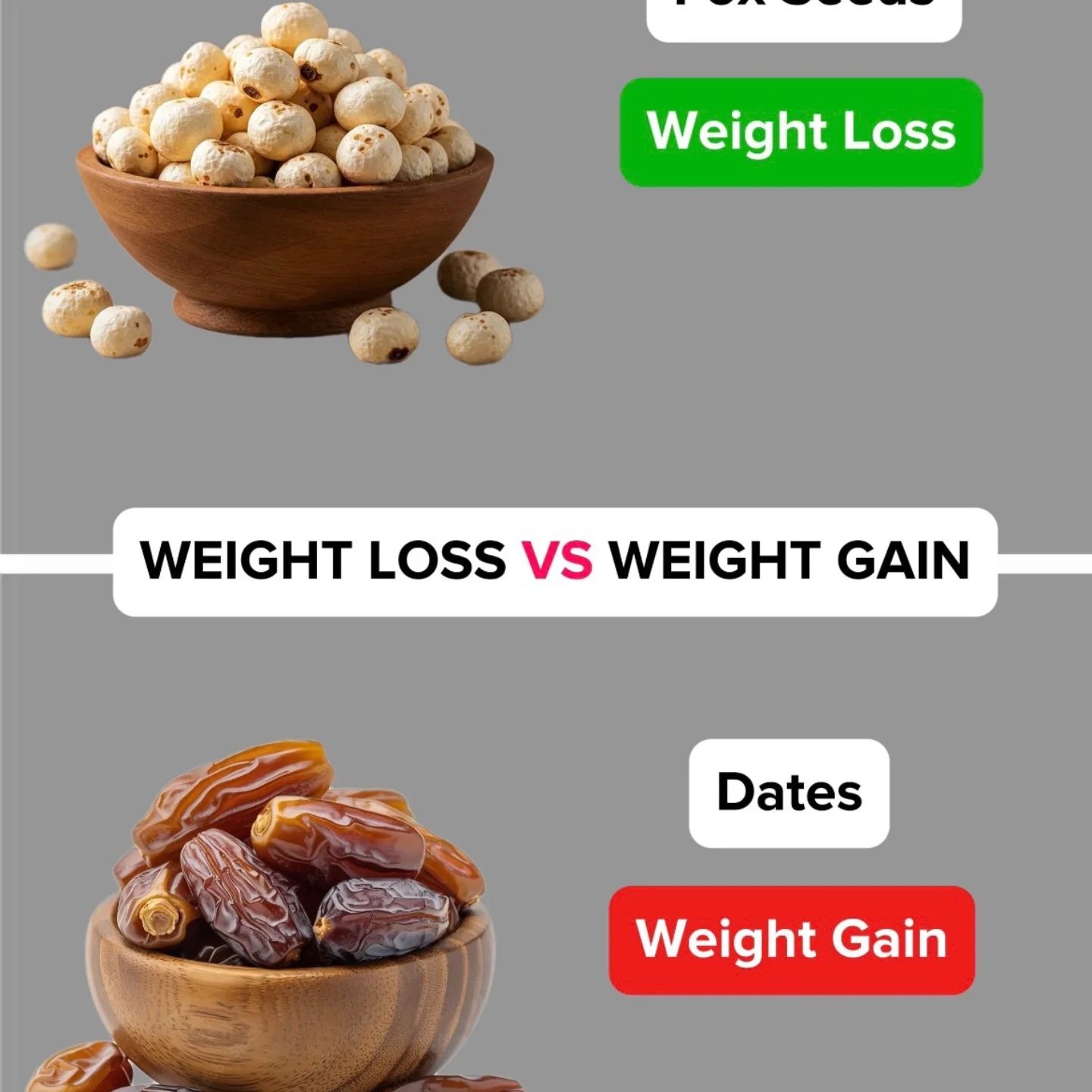
Fox Seeds vs. Dates
When thinking about weight management, it’s interesting to note the differences between foods like Fox Seeds and dates. Fox Seeds are often highlighted as a food that aids in weight loss. This is due in part to their high fiber content, which can help you feel fuller for longer, reducing overall calorie intake. In contrast, dates, while nutritious, are higher in natural sugars and calories, which can contribute to weight gain if not consumed in moderation.
Sweet Potato vs. Sweet Corn
Sweet potatoes and sweet corn are both delicious and versatile, but they have different impacts on weight. Sweet potatoes are often associated with weight loss due to their high fiber and antioxidant content, which can support a healthy metabolism. Sweet corn, on the other hand, is higher in carbs and calories, making it more likely to contribute to weight gain if consumed in excess.
Guava vs. Chikoo
Guava is a lesser-known fruit that can be beneficial for weight loss. It is rich in fiber and has a low-calorie count, making it an excellent choice for those looking to shed pounds. Chikoo, while tasty, is higher in natural sugars and calories, which can lead to weight gain if not balanced with other nutrients or consumed in excess.
Smoothies vs. Full Fat Milk
Smoothies can be a healthy option for weight loss, especially if they are made with low-calorie ingredients like fruits, vegetables, and protein powder. They can help you feel full and satisfied, reducing the likelihood of overeating. In contrast, full-fat milk is higher in calories and saturated fats, which can contribute to weight gain if consumed in large quantities.
Practical Tips
- Portion Control: Whether you are eating Fox Seeds or dates, portion control is crucial. Even healthy foods can lead to weight gain if consumed in excess.
- Balance Your Meals: Incorporate a variety of foods into your diet. For example, pair sweet potatoes with lean proteins and healthy fats to create a balanced meal.
- Hydration: Drink plenty of water throughout the day. It can help you feel full and reduce overall calorie intake.
- Avoid Processed Foods: Opt for whole, unprocessed foods as much as possible. They are more nutrient-dense and less likely to contribute to weight gain.
- Regular Exercise: Combining a balanced diet with regular physical activity can enhance weight loss or maintenance efforts.
Important Takeaways
- Fox Seeds: High in fiber, supports weight loss.
- Dates: High in natural sugars, can contribute to weight gain if not monitored.
- Sweet Potato: Rich in fiber and antioxidants, aids in weight loss.
- Sweet Corn: Higher in carbs and calories, can lead to weight gain.
- Guava: Low-calorie, high in fiber, beneficial for weight loss.
- Chikoo: Higher in natural sugars, can contribute to weight gain.
- Smoothies: Can be low-calorie and high in nutrients, supporting weight loss.
- Full-Fat Milk: High in calories and saturated fats, can contribute to weight gain.
Conclusion
Understanding the impact of different foods on weight loss and weight gain is essential for making informed dietary choices. Whether you are looking to lose weight or maintain a healthy weight, being mindful of what you eat and how much you consume can make a significant difference. Incorporate a variety of nutrient-dense foods into your diet, practice portion control, and stay active to achieve your weight management goals.
Watch the Reel
Questions readers ask
What are some of the best foods for weight management?
Some of the best foods for weight management include fox seeds and sweet potatoes. These foods can help you feel full and satisfied, which can prevent overeating and support your weight management goals. They also provide essential nutrients that keep your body functioning optimally without adding excess calories.
How do sweet potatoes affect weight?
Sweet potatoes are an excellent choice for weight management as they are rich in fiber and have a low glycemic index. This means they help maintain stable blood sugar levels and promote feelings of fullness, reducing the likelihood of overeating. Additionally, their high water content can help you stay hydrated and support overall health.
Are there specific foods to avoid for weight loss?
Certain foods can hinder weight loss efforts, such as sweet corn and dates, which may contribute to weight gain due to their high sugar content and calorie density. While these foods can be enjoyed in moderation, it's important to be mindful of portion sizes and balance them with more nutrient-dense options to support your weight loss goals.
Can fox seeds help with weight loss?
Fox seeds are a great addition to your diet when aiming for weight loss. They are high in soluble fiber, which can help you feel full and reduce overall calorie intake. Additionally, fox seeds are low in calories, making them a nutritious choice for those looking to manage their weight effectively.
What are some dietary choices to support weight loss?
To support weight loss, focus on nutrient-dense foods such as lean proteins, whole grains, and plenty of fruits and vegetables. These foods provide essential nutrients while helping you feel full and satisfied. Additionally, stay hydrated by drinking plenty of water and limit processed foods and sugars, which can contribute to weight gain.
How can I optimize my eating habits for weight loss?
To optimize your eating habits for weight loss, choose foods that promote feelings of fullness and provide essential nutrients. Incorporate foods such as fox seeds and sweet potatoes into your diet and be mindful of portion sizes. Combining these strategies with regular physical activity can help you achieve your weight loss goals more effectively.
What are some nutritious foods for weight management?
Nutritious foods for weight management include a variety of fruits, vegetables, lean proteins, and whole grains. These foods are packed with essential nutrients and fiber, which can help you feel full and satisfied while supporting your weight management goals. They also provide the energy needed for daily activities without adding excess calories.
Recent articles
Fresh deep dives from the latest Reels we unpacked.




Comments
Be the first to comment.