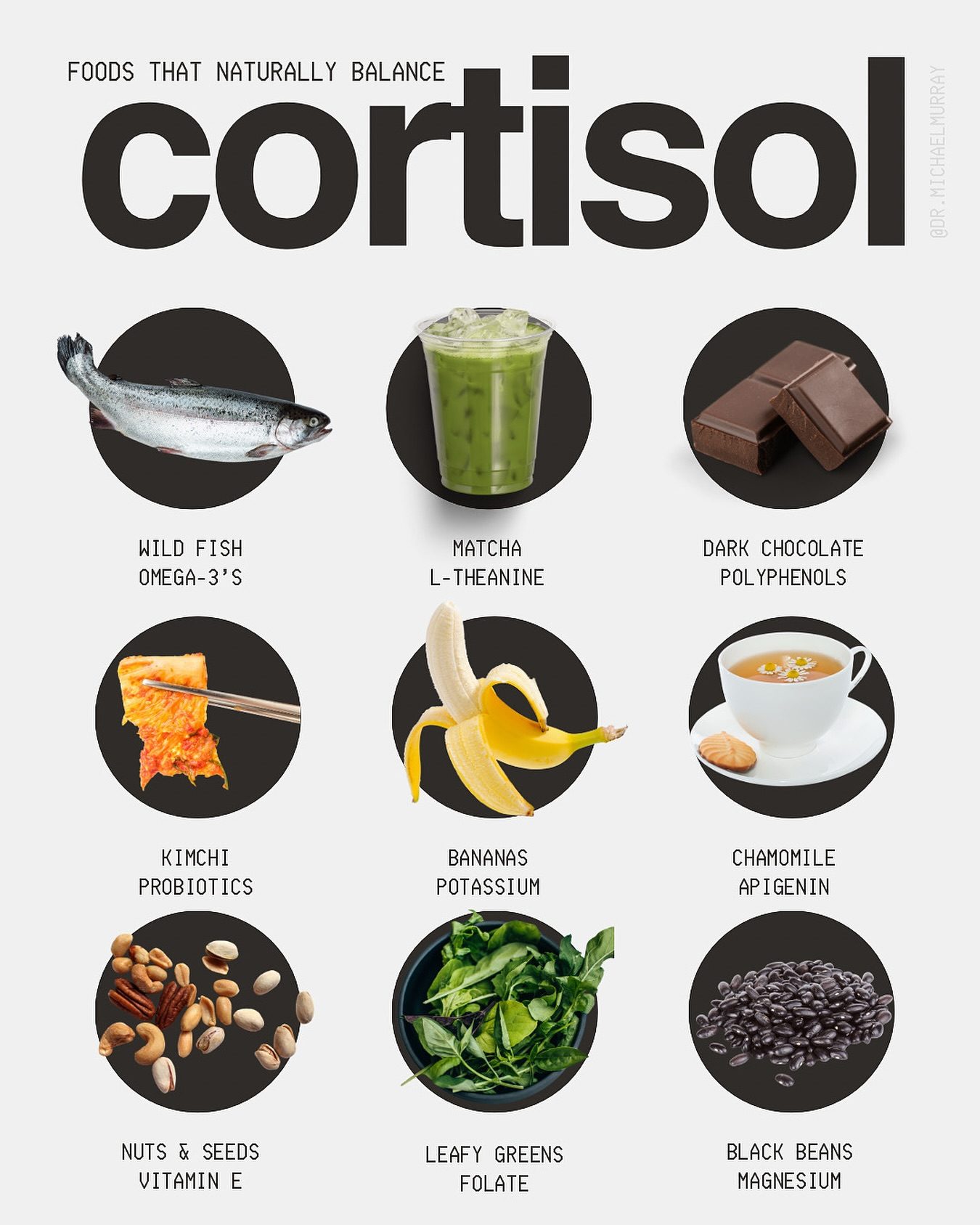
Foods for Cortisol Balance
Stress is an inevitable part of life, and while it can be beneficial in small doses, chronic stress can lead to a host of health issues. One of the primary hormones involved in the stress response is cortisol. Elevated cortisol levels can disrupt mood, sleep, and overall well-being. Fortunately, incorporating specific foods into your diet can help naturally balance cortisol levels and promote a healthier, more relaxed state of mind.
Context / Why This Matters
Cortisol is often referred to as the "stress hormone" because it is released in response to stress. While cortisol plays a crucial role in helping the body manage stress, prolonged high levels can have negative effects on the body, including increased blood pressure, weakened immune system, and even weight gain.
Eating smartly and incorporating foods that naturally balance cortisol levels can be a simple yet effective way to manage stress and improve overall health. By focusing on nutrient-dense foods, you can support your body's natural stress response and maintain a healthier, more balanced mood.
Main Discussion
Wild Fish: Omega-3s
Omega-3 fatty acids, found in abundance in wild fish, are essential for brain health and have been shown to help regulate cortisol levels. These healthy fats support the production of anti-inflammatory compounds in the body, which can help reduce the inflammatory response associated with chronic stress.
Dark Chocolate: Polyphenols
Indulging in a piece of dark chocolate can do more than just satisfy a sweet tooth. Dark chocolate is rich in polyphenols, powerful antioxidants that help combat oxidative stress and inflammation. Polyphenols in dark chocolate can also support the production of feel-good neurotransmitters, such as serotonin, which can help balance mood and reduce stress.
Matcha: L-Theanine
Matcha, a type of green tea, is known for its calming properties. L-theanine, an amino acid found in matcha, promotes relaxation and reduces stress without causing drowsiness. This unique compound can help balance cortisol levels by supporting a calm and focused mindset, making it an excellent choice for those looking to manage stress naturally.
Leafy Greens: Folate
Leafy greens like spinach, kale, and collard greens are packed with folate, a B vitamin that plays a crucial role in brain health and mood regulation. Folate supports the production of neurotransmitters that help regulate mood and reduce stress, making leafy greens an essential part of a cortisol-balancing diet.
Black Beans: Magnesium
Magnesium is a mineral that supports numerous bodily functions, including stress management. Black beans are an excellent source of magnesium, which helps regulate cortisol levels by supporting the adrenal glands. Incorporating black beans into your diet can help maintain balanced cortisol levels and promote overall health.
Bananas: Potassium
Bananas are a convenient and delicious source of potassium, an electrolyte that plays a crucial role in maintaining healthy blood pressure and supporting cardiovascular health. Potassium also helps regulate cortisol levels by supporting adrenal function, making bananas an excellent choice for those looking to manage stress naturally.
Kimchi: Probiotics
Gut health is closely linked to overall health, including stress management. Kimchi, a fermented Korean dish made from cabbage and spices, is rich in probiotics that support a healthy gut microbiome. A healthy gut can help regulate cortisol levels by reducing inflammation and supporting a balanced immune response.
Chamomile Tea: Apigenin
Chamomile tea is a popular herbal remedy for promoting relaxation and sleep. Apigenin, a flavonoid found in chamomile, has been shown to have anxiolytic effects, helping to reduce stress and promote a sense of calm. Drinking chamomile tea can support cortisol balance by promoting relaxation and improving sleep quality.
Nuts and Seeds: Vitamin E
Nuts and seeds are a powerhouse of essential nutrients, including vitamin E. Vitamin E is a potent antioxidant that supports overall health and helps combat oxidative stress. By incorporating nuts and seeds into your diet, you can support your body's natural stress response and maintain balanced cortisol levels.
Practical Tips
To incorporate these cortisol-balancing foods into your diet, consider the following tips:
- Plan Your Meals: Include a variety of the mentioned foods in your weekly meal plan to ensure you're getting a diverse range of nutrients.
- Snack Smart: Opt for nuts, seeds, and dark chocolate as healthy snack options to curb cravings and support cortisol balance.
- Hydrate with Herbal Teas: Replace sugary drinks with chamomile or matcha tea to promote relaxation and support adrenal function.
- Leafy Greens Every Day: Aim to include leafy greens in at least one meal per day to boost your folate intake.
- Add Some Spice: Incorporate kimchi into your meals to support gut health and overall well-being.
Important Takeaways
Stress management is a multi-faceted approach, and diet plays a crucial role in maintaining balanced cortisol levels. By incorporating foods rich in omega-3s, polyphenols, L-theanine, folate, magnesium, potassium, probiotics, apigenin, and vitamin E, you can support your body's natural stress response and promote overall health.
Conclusion
Balancing cortisol levels through diet is a practical and effective way to manage stress and improve overall well-being. By focusing on nutrient-dense foods and incorporating them into your daily routine, you can support your body's natural stress response and promote a healthier, more balanced mood. So, the next time you feel stressed, reach for a piece of dark chocolate, a handful of nuts, or a cup of chamomile tea, and let your diet work its magic.
Watch the Reel
Questions readers ask
Which foods are particularly effective in helping to balance cortisol levels?
Foods rich in omega-3 fatty acids like wild fish, as well as antioxidant-packed options such as dark chocolate and matcha, are particularly effective. Additionally, dark leafy greens and other nutrient-dense choices can support cortisol balance.
How can wild fish help in managing cortisol levels?
Wild fish, such as salmon, mackerel, and sardines, are high in omega-3 fatty acids. These fatty acids help reduce inflammation and support the body's stress response, making them excellent choices for managing cortisol levels.
What role does dark chocolate play in reducing cortisol levels?
Dark chocolate is high in antioxidants and flavonoids, which can help reduce cortisol levels by combating the oxidative stress caused by high cortisol. Aim for dark chocolate with at least 70% cocoa content for the best benefits.
Can incorporating leafy greens into my diet help with cortisol management?
Yes, dark leafy greens like spinach and kale are rich in magnesium, which plays a crucial role in regulating cortisol levels. Incorporating these greens into your meals can support a healthier stress response and overall well-being.
What are some simple diet changes to lower cortisol levels naturally?
To lower cortisol levels naturally, focus on a balanced diet rich in whole foods. Include plenty of fruits, vegetables, lean proteins, and whole grains. Avoid processed foods and excessive sugar, which can exacerbate stress and cortisol production.
How does matcha help in balancing cortisol levels?
Matcha is a rich source of the amino acid L-theanine, which promotes relaxation and reduces stress. It also contains antioxidants that help combat inflammation and support overall health, making it a beneficial addition to a cortisol-balancing diet.
Are there any specific foods to avoid when trying to balance cortisol levels?
To support cortisol balance, it's best to avoid or limit foods high in sugar and refined carbohydrates, as they can cause spikes in cortisol levels. Additionally, excessive caffeine and alcohol can disrupt hormones and should be consumed in moderation.
Recent articles
Fresh deep dives from the latest Reels we unpacked.


Comments
Be the first to comment.