Health and Nutrition: Optimizing Your Diet for Specific Goals
Nutrition is a critical component of overall health and wellness, and understanding how to optimize your diet for specific goals can significantly enhance your lifestyle. Whether you aim to achieve a flat stomach, build muscle, strengthen bones, or improve your mood, strategic food choices matter. Proper nutrition helps you meet your fitness and health goals by providing the right nutrients at the right time.
Why This Matters
The right nutrients play a crucial role in achieving specific health and fitness goals. Instead of following a generic diet, focusing on the specific nutrients required for your goals can lead to more effective and sustainable results. Whether you're aiming for a flatter stomach, stronger muscles, healthier bones, or a better mood, diet is your most powerful tool.
Strategic Food Choices
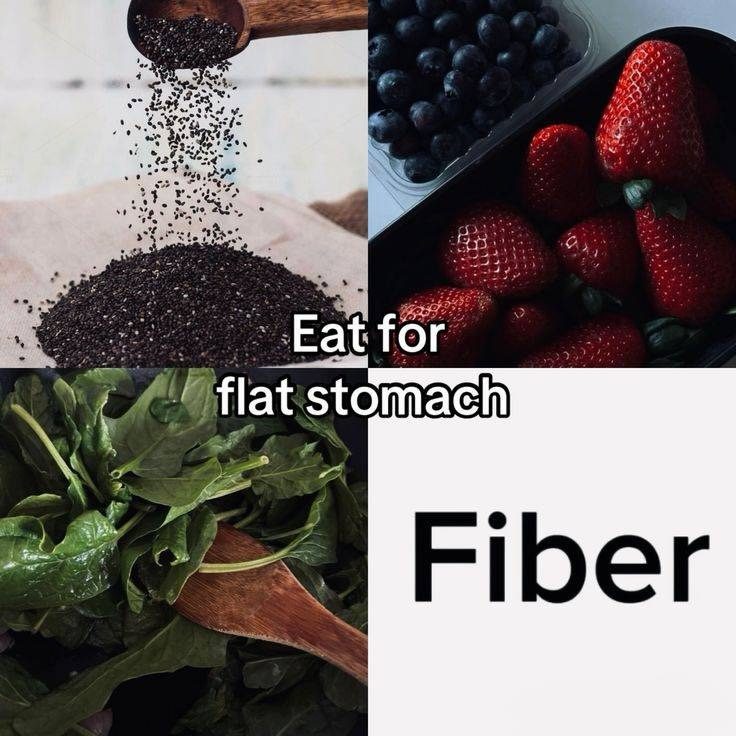
Fiber for a Flat Stomach
Fiber is essential for maintaining a healthy digestive system and promoting feelings of fullness. Foods rich in fiber, such as chia seeds, spinach, and berries, can be particularly beneficial for achieving a flat stomach. Incorporating these foods into your diet can help regulate your digestive system, reduce bloating, and aid in weight management.
Protein for Muscle Growth
Protein is crucial for muscle growth and repair. Foods high in protein, such as yogurt and sardines, can help build and strengthen your muscles. Protein helps repair and build muscle tissue, making it an essential nutrient for anyone looking to improve their muscle mass.
Calcium for Strong Bones
Calcium is vital for bone health. Foods that are high in calcium, including yogurt and sardines, can help strengthen your bones. Maintaining adequate calcium intake is especially important for preventing conditions like osteoporosis and ensuring overall bone health.
Omega-3 Fatty Acids for a Better Mood
Omega-3 fatty acids are known for their numerous health benefits, including improved mental health. Foods rich in omega-3s, such as salmon and walnuts, can contribute to a better mood. Omega-3s are essential for brain function and can help reduce symptoms of depression and anxiety.
Vitamin C for Healthy Skin
Vitamin C is essential for maintaining healthy skin. Foods like berries and kale are excellent sources of vitamin C, which helps in collagen production and protects the skin from damage. Incorporating these foods into your diet can improve your skin's health and appearance.
Utilizing Nutrition Apps
Nutrition apps can be powerful tools for tracking your progress and achieving your goals. These apps help you understand your daily nutritional needs, calculate your calorie deficit, and monitor your macro breakdowns. By keeping track of your daily goals, you can ensure that you're consuming the right nutrients for your specific objectives.
Practical Tips
Understanding your nutritional needs and making strategic food choices is essential for achieving your health goals. Here are some practical tips to help you optimize your diet:
Plan Your Meals
Planning your meals in advance can help ensure that you're consuming the right nutrients. Create a meal plan that includes a variety of nutrient-rich foods tailored to your specific goals. This will help you stay on track and avoid making unhealthy food choices.
Track Your Nutrients
Use a nutrition app to track your daily nutrient intake. This will help you understand whether you're meeting your nutritional needs and make adjustments as necessary. Regular tracking can also help you identify patterns and make informed decisions about your diet.
Stay Hydrated
Hydration is crucial for overall health and wellness. Ensure you're drinking enough water throughout the day to support your body's functions and help you reach your goals. Proper hydration can also aid in digestion and nutrient absorption.
Incorporate Variety
Incorporating a variety of nutrient-rich foods into your diet can help ensure that you're getting a balanced intake of vitamins and minerals. Aim to include a mix of fruits, vegetables, lean proteins, and whole grains in your meals.
Listen to Your Body
Your body often provides cues about what it needs. Pay attention to how different foods make you feel and adjust your diet accordingly. If you feel sluggish after consuming certain foods, consider replacing them with healthier alternatives.
Important Takeaways
When pursuing specific health and fitness goals, nutrition plays a significant role. By focusing on the right nutrients for your goals, you can optimize your diet to achieve better results. Remember that food is a powerful tool for improving your overall health and wellness. Incorporating nutrient-rich foods and using tools like nutrition apps can help you reach your goals more effectively.
Conclusion
Diet is a powerful tool for achieving specific health and fitness goals. By understanding the nutrients required for your objectives and making strategic food choices, you can optimize your diet for better results. Whether you're aiming for a flatter stomach, stronger muscles, healthier bones, or a better mood, focusing on the right nutrients can make a significant difference. Use nutrition apps to track your progress and make informed decisions about your diet. Incorporate variety, stay hydrated, and listen to your body for the best outcomes.
Watch the Reel
Questions readers ask
What are the best foods for achieving a flat stomach?
To achieve a flat stomach, focus on foods that are high in fiber and protein, such as lean meats, whole grains, and leafy greens. These foods help keep you full and maintain a healthy gut. Additionally, staying hydrated and minimizing processed foods can aid in reducing belly fat. Incorporating foods rich in omega-3 fatty acids, like salmon and chia seeds, can also help reduce inflammation and promote a healthier waistline.
Which foods are beneficial for strengthening bones?
For strong bones, incorporate foods rich in calcium and vitamin D, such as dairy products, leafy greens, and fortified plant-based milks. Weight-bearing exercises are also important, but diet plays a key role in bone health. Foods high in vitamin K, like spinach and kale, can also support bone health by promoting calcium absorption and reducing the risk of fractures.
How can I use chia seeds to improve my daily nutrition plan?
Chia seeds are a versatile addition to any daily nutrition plan. They are high in omega-3 fatty acids, fiber, and protein, making them an excellent choice for aiding in digestive health and promoting a feeling of fullness. You can add chia seeds to smoothies, yogurt, or oatmeal, or even use them to make a healthy pudding. Their ability to absorb liquid also makes them a great thickener for recipes.
What is the optimal calorie intake for muscle gain?
The optimal calorie intake for muscle gain varies depending on factors such as age, sex, weight, and activity level. However, a common starting point is to consume 250-500 calories more than your maintenance level. It's also crucial to focus on consuming enough protein, with a range of 1.6 to 2.2 grams per kilogram of body weight per day. Foods rich in protein, such as lean meats, eggs, and legumes, are essential for muscle repair and growth.
How can I structure my daily eating routine for fitness goals?
To support your fitness goals, consider splitting your meals into 3-5 smaller portions throughout the day. This approach can help maintain steady energy levels and promote better nutrient absorption. Incorporate a balance of macronutrients (proteins, carbohydrates, and healthy fats) in each meal. For example, a meal could include a protein source like chicken, complex carbohydrates like brown rice, and healthy fats from avocados or nuts.
What foods can help improve my mood?
Foods rich in tryptophan, an amino acid that supports serotonin production, can help improve your mood. These include turkey, eggs, and cheese. Additionally, foods high in omega-3 fatty acids, such as fatty fish and walnuts, can support brain health and mood regulation. Incorporating a variety of colorful fruits and vegetables into your diet can also provide essential vitamins and minerals that contribute to overall mental well-being.
Recent articles
Fresh deep dives from the latest Reels we unpacked.




Comments
Be the first to comment.