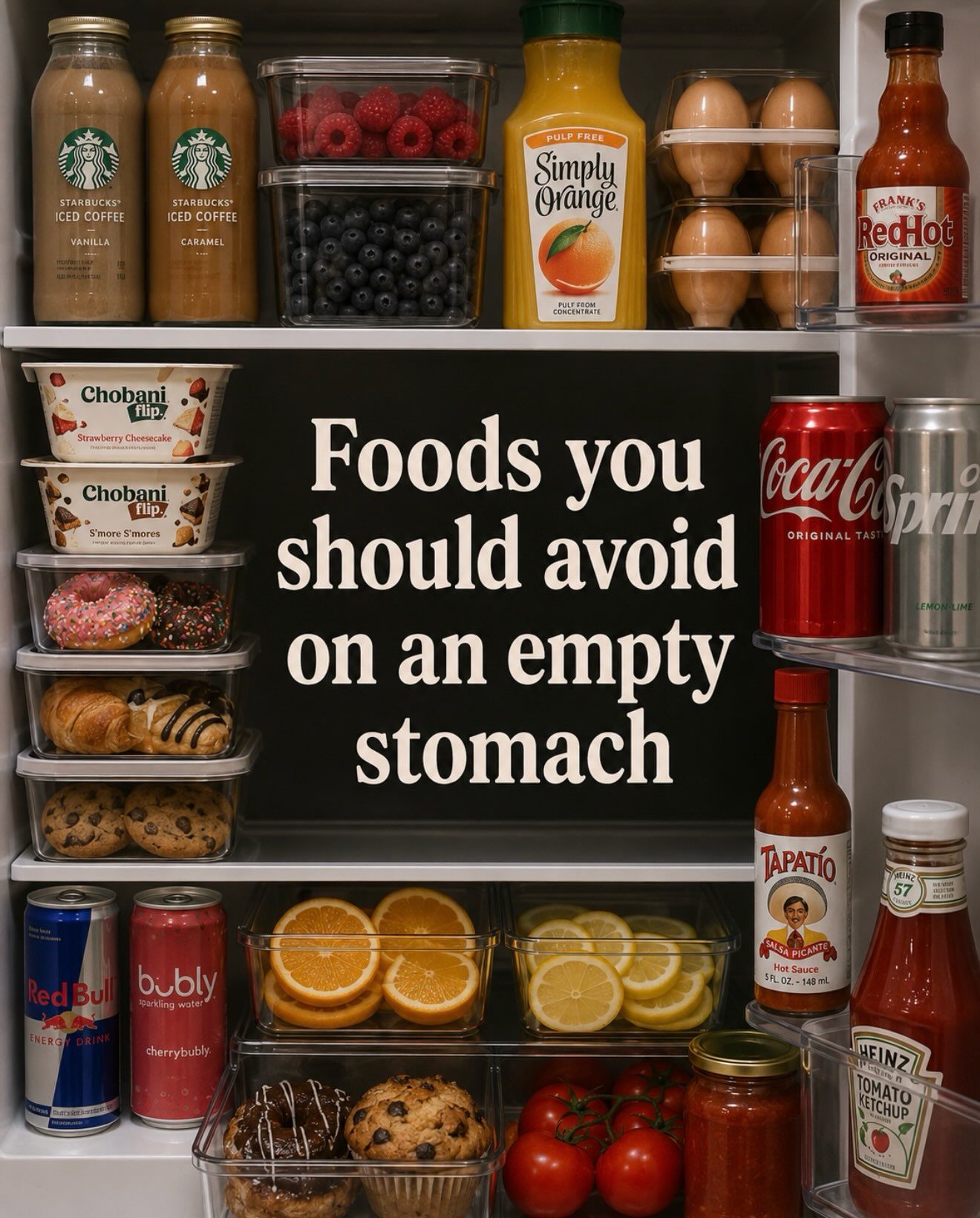
Foods to Avoid on an Empty Stomach
Understanding what to eat on an empty stomach can significantly impact how you feel throughout the day. The right choices can help you maintain steady energy levels, support better digestion, and keep your blood sugar balanced. Conversely, the wrong foods can lead to bloating, fatigue, and lingering hunger. This guide will help you navigate which foods to prioritize and which to avoid when you’re hungry, especially first thing in the morning or after a long period without food.
Why This Matters
The first meal of the day—or any meal after a long gap without food—sets the tone for your energy levels and overall well-being. Choosing the right foods can help you feel more satisfied, maintain stable blood sugar levels, and support better digestion. On the other hand, opting for the wrong foods can lead to discomfort, fatigue, and even increased cravings.
What to Eat and What to Avoid
Foods to Eat
When you wake up hungry, reaching for certain foods can help you feel more balanced and energized. Foods that are gentler on digestion and support steadier energy levels are ideal. These options typically include:
- Protein-Rich Foods: Foods like Greek yogurt, eggs, and almonds are excellent choices. They provide a good dose of protein, which helps keep you full and satisfied for longer.
- High-Fiber Foods: Foods with a little more fiber, such as whole grains, fruits, and vegetables, are also beneficial. They aid in digestion and help maintain stable blood sugar levels.
- Healthy Fats: Foods with healthy fats, like avocados and nuts, can help reduce bloating and support a feeling of fullness.
Foods to Avoid
Certain foods can backfire on an empty stomach, leading to discomfort and fatigue. These often include:
- Sugary Foods: Donuts, candy, and other sugary treats can cause a quick spike in blood sugar, followed by a crash that leaves you feeling tired and shaky.
- Greasy Foods: Foods high in unhealthy fats, such as fried foods and fast food, can be heavy on the stomach and lead to bloating and discomfort.
- Acidic Foods: Foods high in acidity, like citrus fruits and spicy foods, can cause digestive issues, especially when your stomach is empty.
- Highly Processed Foods: Foods with a lot of additives and preservatives, like some breakfast cereals, can be tough on digestion and may not provide the nutritional benefits you need.
Context / Why This Matters
The Impact of Timing
The time of day when you eat your first meal can also play a significant role in how you feel. Eating on an empty stomach at the right time can help regulate your digestive system and maintain a healthy metabolism. Ideally, you should aim to eat within a few hours of waking up and avoid going too long without food throughout the day.
Personal Digestion Differences
It’s important to note that everyone’s digestion is unique. A food that works well for one person may not feel great for another. This guide is about helping you learn what works best for your body, rather than imposing fear foods or restriction.
Main Discussion
Understanding Blood Sugar Balance
Maintaining balanced blood sugar levels is crucial for overall well-being. Foods that are better for blood sugar balance include those with a combination of fiber, protein, and healthy fats. These nutrients help slow down the absorption of sugar, preventing spikes and crashes.
- Fiber: Foods high in fiber help slow down digestion, allowing for a more gradual release of sugar into the bloodstream. This can help prevent sudden spikes and subsequent crashes.
- Protein: Protein-rich foods help keep you full and satisfied, reducing the likelihood of overeating. They also help stabilize blood sugar levels by slowing down the digestion process.
- Healthy Fats: Healthy fats, such as those found in avocados, nuts, and olive oil, can help keep you feeling full and satisfied, supporting blood sugar balance.
Digestion and Bloating
Certain foods are gentler on digestion and can help reduce bloating, while others can exacerbate these issues. Foods that are known to be easier on the digestive system include:
- Greek Yogurt: Rich in protein and probiotics, Greek yogurt can help support a healthy gut microbiome and improve digestion.
- Almonds: A good source of healthy fats and fiber, almonds can help reduce bloating and keep you feeling satisfied.
- Eggs: High in protein and healthy fats, eggs are a great option for an empty stomach, as they support steady energy levels and digestion.
Energy Levels
Choosing the right foods can help support steadier energy levels throughout the day. Foods that are high in fiber, protein, and healthy fats can provide sustained energy, while sugary and processed foods often lead to a quick energy spike followed by a crash.
Practical Tips
Start Your Day Right
Opt for a balanced breakfast that includes a combination of fiber, protein, and healthy fats. Some practical tips for your morning meal include:
- Prepare in Advance: Have healthy options ready to go, such as overnight oats or pre-sliced fruits and vegetables.
- Listen to Your Body: Pay attention to how different foods make you feel and adjust your choices accordingly.
Manage Snacks
When you're hungry between meals, opt for snacks that are high in fiber, protein, and healthy fats. These snacks will keep you feeling full and energized without causing a sugar crash. Some good snack options include:
- Hummus with Vegetables: This snack provides a good balance of healthy fats and fiber, helping you feel full and satisfied.
- Greek Yogurt with Berries: The combination of protein, probiotics, and fiber makes this a great snack for an empty stomach.
Stay Hydrated
Drinking water throughout the day can also support better digestion and overall health. While hydration is crucial, it’s best to avoid drinking large amounts of water immediately before or after meals, as this can dilute stomach acids and lead to discomfort.
Important Takeaways
Know Your Body
Remember that everyone’s digestive system is unique. What works for one person may not work for another, so pay attention to how different foods make you feel. Make adjustments based on your body’s needs and preferences.
Balance Is Key
When it comes to eating on an empty stomach, balance is crucial. Opt for a combination of fiber, protein, and healthy fats to support better digestion, energy levels, and blood sugar balance.
Quality Matters
Choosing high-quality, nutrient-dense foods will always be better for your body than relying on processed, sugary, or greasy options. High-quality foods provide the nutrients you need to feel your best and support overall health.
Conclusion
Eating the right foods on an empty stomach can make a significant difference in how you feel throughout the day. By choosing foods that are gentler on the digestive system, support steadier energy levels, and help maintain balanced blood sugar, you can avoid common issues like bloating, fatigue, and lingering hunger. Experiment with different foods to find out what works best for your body, and remember that balance and quality are key.
Watch the Reel
Questions readers ask
What are the best foods to eat in the morning for steady energy throughout the day?
For steady energy, opt for foods rich in protein, healthy fats, and complex carbohydrates. Examples include Greek yogurt, whole grains like oatmeal, and avocados. These foods break down slowly, providing a stable release of energy and helping you feel full for longer.
Which foods should I avoid eating on an empty stomach to prevent bloating?
To avoid bloating, steer clear of high-fiber foods, high-fat foods, and carbonated beverages on an empty stomach. These can be harder to digest and may cause discomfort. Instead, choose easily digestible foods like bananas, toast, or eggs to support better digestion.
What are the benefits of eating the right foods for healthy digestion first thing in the morning?
Consuming the right foods in the morning can greatly improve your digestive health. Foods that are easily digestible and rich in fiber, such as whole grains and fruits, can help maintain a healthy gut microbiome and promote regular bowel movements. Additionally, they can help prevent issues like constipation and bloating.
What role do whole grains play in maintaining steady energy levels and feeling full?
Whole grains are an excellent choice for maintaining steady energy levels due to their complex carbohydrates, which break down slowly and provide sustained energy. They also contain fiber, which helps you feel full and satisfied, reducing the urge to snack frequently or overeat.
Which energizing breakfast foods can help me feel more satisfied and avoid mid-morning hunger pangs?
To feel more satisfied and avoid mid-morning hunger, include foods like eggs, Greek yogurt, and whole-grain toast in your breakfast. These foods are high in protein and healthy fats, which take longer to digest and keep you feeling full. Additionally, they help maintain stable blood sugar levels, preventing energy crashes.
What are some good options to beat fatigue and stay energized throughout the day?
Opt for nutrient-dense foods like nuts, seeds, and lean proteins to stay energized. Pairing these with complex carbohydrates, such as whole grains, can provide a balanced mix of nutrients that support steady energy levels. These foods help prevent fatigue and keep you feeling alert and focused.
How can I set a strong foundation for my day with the right breakfast choices?
Choosing the right breakfast can set a strong foundation for your day by promoting stable blood sugar levels and optimal digestion. Start with a balanced meal that includes a mix of proteins, healthy fats, and complex carbohydrates. This combination will help you feel more energized, satisfied, and ready to tackle the day's challenges.
Recent articles
Fresh deep dives from the latest Reels we unpacked.




Comments
Be the first to comment.