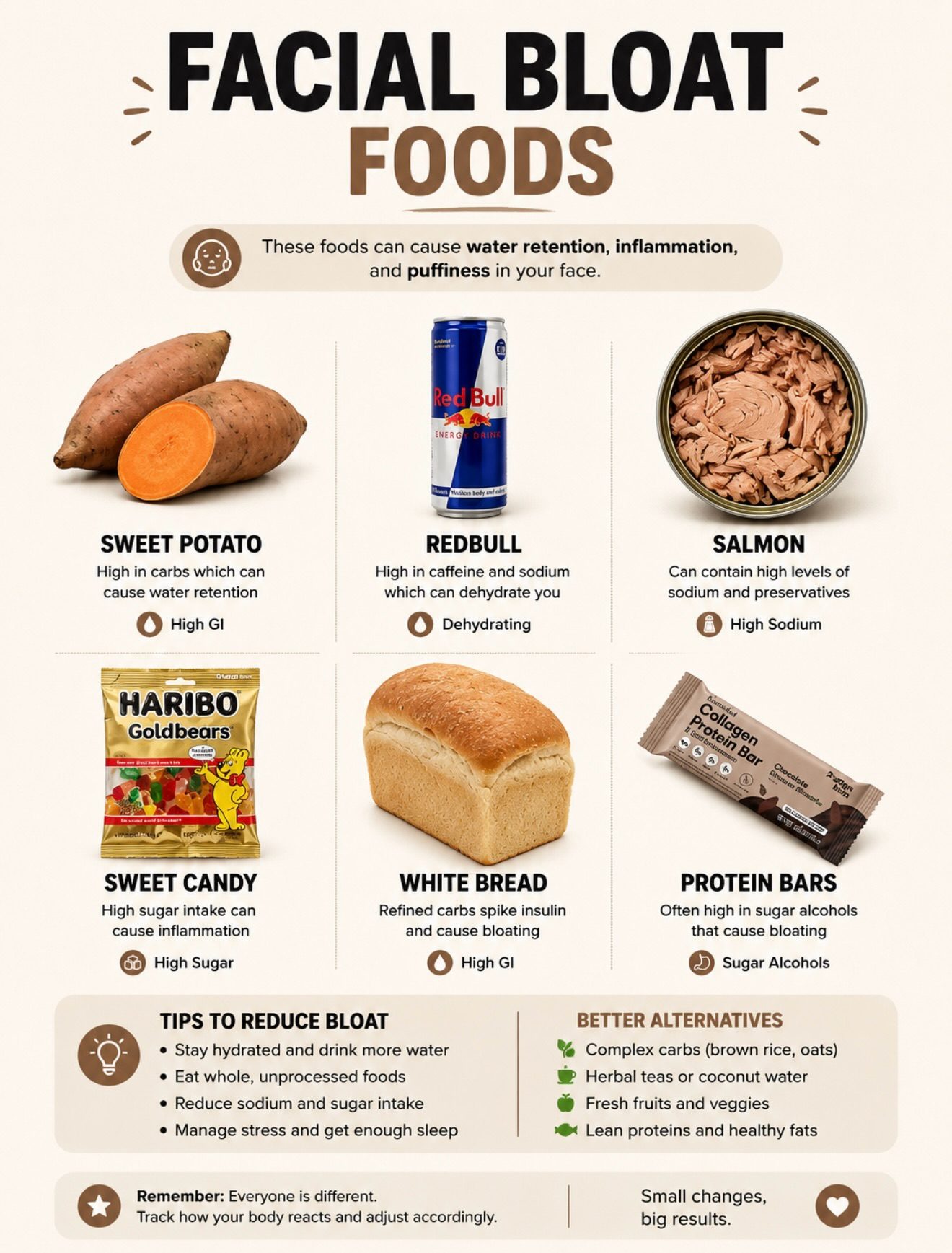
Facial Bloat Foods: Understanding the Impact of Diet on Facial Appearance
Facial bloating is a common concern that can be influenced by various factors, including diet. Certain foods are notorious for causing puffiness, inflammation, and water retention in the face. Understanding which foods contribute to this issue and how to manage them can significantly improve facial appearance and overall well-being.
Why This Matters
Facial bloating is more than just a cosmetic issue; it reflects underlying health problems that can affect how you look and feel. While many try to combat facial bloating with expensive skincare products or supplements, addressing the root causes through diet and lifestyle changes can yield more sustainable results. Everybody's different, but clear insights and actionable steps can help anyone make healthier choices.
Understanding Facial Bloat Foods
High Glycemic Index (GI) Foods
Foods with a high glycemic index, such as sweet potatoes, Haribo Goldbears, and white bread, can cause rapid spikes in blood sugar levels. These spikes can lead to inflammation and water retention, contributing to a puffy appearance. High GI foods break down quickly, causing a surge in insulin, which can promote fat storage and inflammation.
Dehydrating Beverages
Beverages like Red Bull, which are high in caffeine and sugar, can cause dehydration. When the body is dehydrated, it retains water to compensate, leading to bloating and puffiness. Dehydration can also make the skin look dull and tired, exacerbating the appearance of facial bloating.
High Sodium Foods
Foods high in sodium, such as certain protein bars and processed snacks, can cause water retention. Sodium pulls water into the body tissues, leading to a swollen, puffy appearance. Excessive sodium intake can also disrupt the body's electrolyte balance, further contributing to bloating.
High Sugar Foods
Sweets like Haribo Goldbears and other candies are high in sugar, which can cause inflammation and promote water retention. High sugar intake can also lead to insulin resistance, making it harder for the body to manage blood sugar levels and contributing to overall inflammation.
Other Culprits
Salmon, while generally considered a healthy food, can cause bloating in some due to its high omega-3 content. Omega-3s are anti-inflammatory, but some people may experience temporary bloating as their body adjusts to the increased fat content. It's essential to monitor individual reactions to different foods and adjust accordingly.
Practical Tips to Reduce Facial Bloating
Stay Hydrated
Drinking plenty of water is crucial for reducing facial bloating. Proper hydration helps flush out toxins and promotes healthy skin, reducing puffiness and inflammation. Aim for at least 8 glasses of water daily, and consider adding electrolyte-rich beverages if you're physically active.
Reduce Sugar and Sodium Intake
Cutting back on high-sugar and high-sodium foods can significantly reduce facial bloating. Opt for fresh fruits and lean proteins instead of processed snacks and candies. Choose whole grains over refined carbohydrates, and use herbs and spices to flavor meals instead of salt.
Manage Stress and Get Enough Sleep
Stress and lack of sleep can exacerbate facial bloating. Chronic stress can lead to hormonal imbalances, contributing to inflammation and water retention. Prioritize stress management techniques like meditation, yoga, or deep breathing exercises. Aim for 7-9 hours of quality sleep per night to allow your body to recuperate and reduce inflammation.
Eating Antioxidant-Rich Foods
Foods rich in potassium, vitamin C, omega-3s, antioxidants, and healthy fats can support a healthier skin barrier and improve digestion. Consider incorporating leafy greens, berries, nuts, and fatty fish into your diet. These foods help reduce puffiness, improve hydration, and promote a healthier glow.
Important Takeaways
Consistency is key when it comes to managing facial bloating. Small daily habits, such as staying hydrated, reducing sugar and sodium intake, and managing stress, can yield significant results over time. It's essential to remember that everyone's body responds differently to various foods and lifestyle factors. Pay attention to your body's responses and make adjustments as needed.
Conclusion
Facial bloating is a common issue influenced by diet and lifestyle choices. By understanding which foods contribute to puffiness and inflammation, and implementing practical tips to reduce bloating, you can significantly improve your facial appearance and overall well-being.
Watch the Reel
Questions readers ask
What are the primary causes of facial bloating?
Facial bloating is primarily caused by inflammation and water retention, which can be triggered by consuming high-sodium, high-sugar, and high-glycemic foods. These foods can lead to puffiness and a swollen appearance in the face.
Which foods are the most common offenders for causing facial bloating?
Common culprits for facial bloating include processed foods high in sodium, sugary snacks and beverages, and high-glycemic carbohydrates like white bread and pasta. These foods can exacerbate inflammation and water retention, leading to a puffy appearance.
How does hydration impact facial bloating?
Proper hydration is crucial for reducing facial bloating. Drinking an adequate amount of water helps flush out excess sodium and toxins, which can reduce water retention and inflammation. Aim for at least 8 glasses of water daily.
Can stress contribute to facial bloating?
Yes, stress can exacerbate facial bloating. High stress levels can lead to hormonal imbalances, which in turn can cause inflammation and water retention. Managing stress through relaxation techniques, exercise, and a balanced diet can help mitigate this issue.
What are some effective strategies to reduce facial bloating?
To reduce facial bloating, focus on a balanced diet low in sodium, sugar, and high-glycemic foods. Incorporate foods rich in antioxidants and anti-inflammatory properties, such as fruits, vegetables, and lean proteins. Staying hydrated and managing stress levels can also significantly improve facial appearance.
How do high-glycemic foods contribute to facial bloating?
High-glycemic foods, such as white bread, pasta, and sugary snacks, cause a rapid spike in blood sugar levels, leading to inflammation and water retention. These foods can also trigger the release of hormones that promote fat storage, contributing to a puffy facial appearance.
Recent articles
Fresh deep dives from the latest Reels we unpacked.




Comments
Be the first to comment.