Health and Nutrition Tips
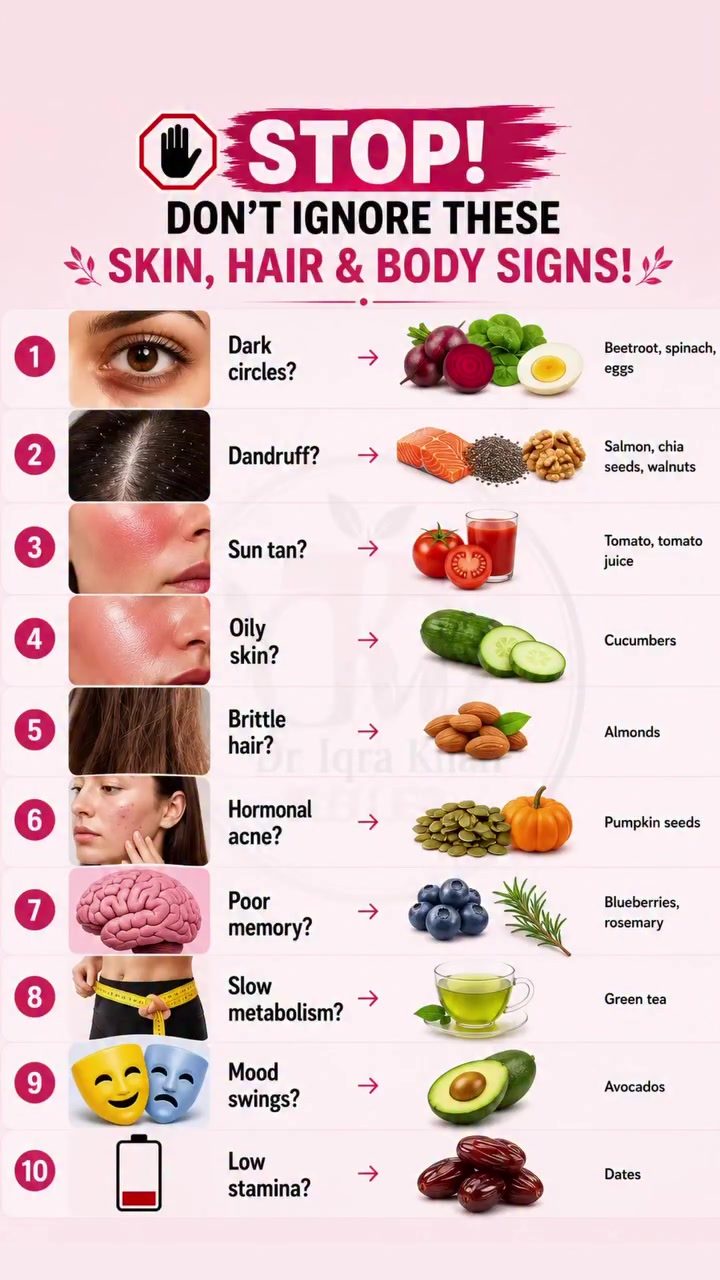
Our bodies often signal impending health issues through various signs, such as skin changes, hair problems, or shifts in mood and energy levels. Paying attention to these indicators can help address potential issues before they escalate. While no single food can cure a condition, incorporating nutrient-dense foods into a balanced diet can support overall health and reduce the risk of deficiencies. Here's a guide to common signs and the foods that may help alleviate them.
Why This Matters
Understanding the relationship between diet and health can empower individuals to take proactive steps in managing their well-being. By recognizing and addressing specific signs, one can support their body's needs and potentially prevent more serious health issues.
Addressing Common Signs
Skin Health
Dark Circles
Dark circles under the eyes can be a sign of fatigue, dehydration, or even iron deficiency. Foods rich in iron, such as beetroot, spinach, and eggs, can help alleviate this issue by promoting better blood circulation and reducing inflammation.
Dandruff
Dandruff is a common scalp condition that can be managed with a balanced diet. Foods like salmon, chia seeds, and walnuts are rich in omega-3 fatty acids and other essential nutrients that promote healthy skin and hair.
Sun Tan
Excessive sun exposure can lead to sun tan, which is the skin's response to UV damage. While it's important to protect the skin from the sun, consuming foods like tomatoes and tomato juice can help combat the effects of sun damage due to their high antioxidant content.
Oily Skin
Oily skin can be managed with a diet rich in hydrating foods. Cucumbers, for example, are high in water content and can help regulate sebum production, making the skin less oily and prone to breakouts.
Hair Health
Brittle Hair
Brittle hair is often a sign of nutritional deficiencies, particularly in proteins and vitamins. Incorporating almonds into your diet can help improve hair health due to their high content of vitamin E and healthy fats.
Hormonal Imbalances
Hormonal Acne
Hormonal acne can be influenced by various factors, including diet. Foods like pumpkin seeds are rich in zinc, which helps regulate sebum production and reduce inflammation, making them a potential ally in managing hormonal acne.
Cognitive Function
Poor Memory
Poor memory can have multiple causes, including nutrient deficiencies. Blueberries, rosemary, seeds, and walnuts are rich in antioxidants and healthy fats that support brain function and cognitive health.
Metabolism and Energy
Slow Metabolism
A slow metabolism can lead to fatigue, weight gain, and other health issues. Green tea is known for its metabolism-boosting properties, making it a valuable addition to a balanced diet aimed at improving metabolic function.
Mood Swings
Mood swings can be influenced by various factors, including diet. Foods like avocados and rosemary are rich in healthy fats and antioxidants that support brain health and stabilize mood. These foods can be helpful in managing mood swings and promoting overall well-being.
Low Stamina
Low stamina can affect daily activities and overall quality of life. Dates are rich in natural sugars and provide a quick energy boost, making them a great snack for maintaining energy levels throughout the day.
Practical Tips
Incorporate Nutrient-Dense Foods
Focus on incorporating a variety of nutrient-dense foods into your diet. Aim for a balanced mix of fruits, vegetables, whole grains, lean proteins, and healthy fats. This approach ensures that you get a wide range of vitamins, minerals, and antioxidants that support overall health.
Stay Hydrated
Hydration is crucial for maintaining healthy skin, hair, and overall bodily functions. Aim to drink at least 8 glasses of water daily and consume hydrating foods like cucumbers and watermelon.
Monitor Your Body's Signals
Pay attention to your body's signals and make adjustments to your diet as needed. For example, if you notice persistent fatigue, consider incorporating foods rich in iron or green tea to boost your energy levels.
Consult a Healthcare Professional
While dietary changes can support overall health, it's important to consult a healthcare professional if symptoms persist. Persistent fatigue, hair loss, acne, mood changes, or dark circles can have many underlying causes that may require medical evaluation.
Important Takeaways
- Our bodies often give warning signs before bigger health problems develop. Pay attention to these signals.
- No single food can cure a condition, but a balanced diet rich in nutrient-dense foods can support overall health.
- Key foods to consider for specific issues:
- Dark circles: Beetroot, spinach, eggs
- Dandruff: Salmon, chia seeds, walnuts
- Sun tan: Tomatoes, tomato juice
- Oily skin: Cucumbers
- Brittle hair: Almonds
- Hormonal acne: Pumpkin seeds
- Poor memory: Blueberries, rosemary, seeds, walnuts
- Slow metabolism: Green tea
- Mood swings: Avocados, rosemary
- Low stamina: Dates
Conclusion
Incorporating a balanced diet rich in nutrient-dense foods can support overall health and help alleviate common skin, hair, and body signs. By paying attention to your body's signals and making proactive dietary adjustments, you can promote well-being and potentially prevent more serious health issues.
Watch the Reel
Questions readers ask
Which foods can help reduce oily skin?
Foods rich in omega-3 fatty acids, like salmon and walnuts, can help regulate sebum production and reduce oily skin. Additionally, foods high in zinc, such as pumpkin seeds and lentils, can support skin health and reduce oiliness.
What are some effective natural food remedies for acne?
Including foods with high water content, like cucumbers and watermelon, can help hydrate the skin and reduce acne. Foods rich in vitamin A, such as carrots and sweet potatoes, can also help combat acne by promoting skin cell turnover. Additionally, foods with anti-inflammatory properties, like turmeric and ginger, can help soothe and reduce acne.
How can diet help with dandruff?
Foods rich in B vitamins, such as whole grains and fortified cereals, can help reduce dandruff by supporting a healthy scalp. Additionally, foods high in omega-3 fatty acids, like flaxseeds and chia seeds, can help moisturize the scalp and reduce flaking.
What foods can help combat brittle hair?
Including foods high in protein, like eggs and lean meats, can help strengthen hair and reduce brittleness. Foods rich in biotin, such as almonds and spinach, can also support hair health and reduce brittleness. Additionally, staying hydrated by drinking plenty of water can help keep hair healthy and strong.
Which foods can help reduce the appearance of dark circles?
Foods rich in iron, like red meat and leafy greens, can help reduce dark circles by improving blood circulation. Additionally, foods high in vitamin C, such as citrus fruits and strawberries, can help stimulate collagen production and reduce the appearance of dark circles. Foods with natural anti-inflammatory properties, like cucumbers and green tea, can also help soothe and reduce dark circles.
What foods can help improve mood and energy levels?
Foods rich in magnesium, like dark chocolate and avocados, can help boost mood and energy levels by supporting healthy neurotransmitter function. Additionally, foods high in tryptophan, such as turkey and bananas, can help increase serotonin production and improve mood. Foods rich in B vitamins, like eggs and fortified cereals, can also help support energy levels and reduce fatigue.
How can I tell if my body is lacking essential nutrients through skin, hair, and body signs?
Dry, dull skin, brittle hair, and frequent fatigue can all be signs of poor diet and potential nutrient deficiencies. If you experience any of these signs, it may be helpful to consult a healthcare provider and explore incorporating more nutrient-dense foods into your diet to support overall health.
Recent articles
Fresh deep dives from the latest Reels we unpacked.




Comments
Be the first to comment.