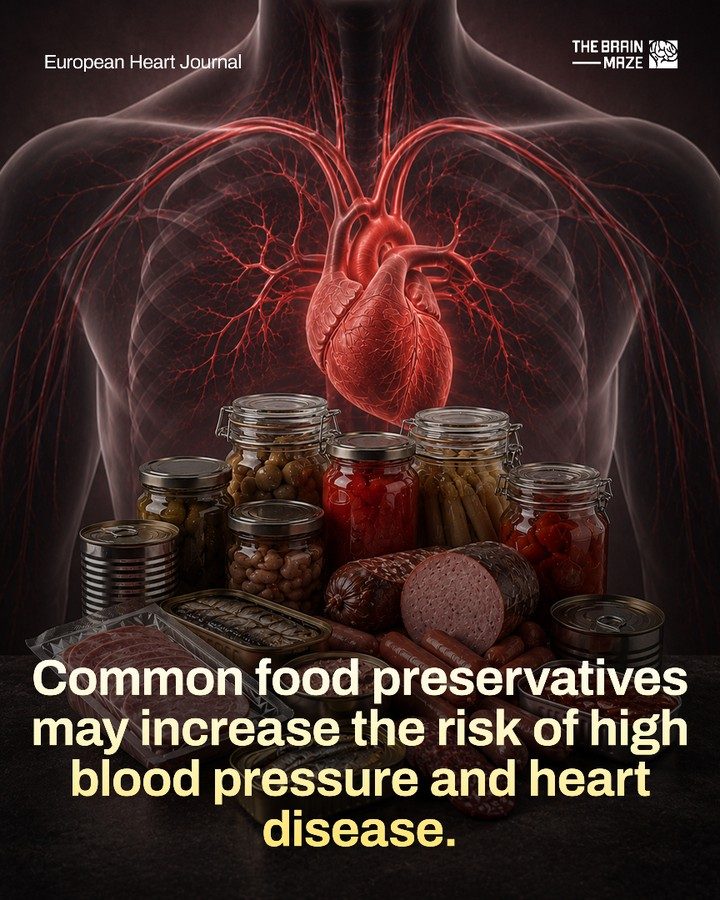
Food Preservatives and Heart Health
Food preservatives are essential for extending the shelf life of processed foods, but recent findings suggest they may pose unexpected health risks. A new study published in the European Heart Journal has identified a potential link between certain food preservatives and an increased risk of cardiovascular problems, including high blood pressure, heart attacks, and strokes. The study found that individuals who consume more preservative-containing foods have higher likelihood of developing these cardiovascular issues.
Context / Why This Matters
Cardiovascular diseases are among the leading causes of death worldwide. High blood pressure, heart attacks, and strokes are major contributors to this health crisis. Given the prevalence of processed foods in modern diets, understanding the role of food preservatives in cardiovascular health is crucial. This new research sheds light on potential hidden dangers in everyday food items, encouraging consumers to be more mindful of their choices.
Main Discussion
Common Food Preservatives and Their Uses
Food preservatives are added to a wide range of processed foods to prevent spoilage and prolong shelf life. Common preservatives include sodium benzoate, sodium nitrite, and potassium sorbate. These compounds are used in various products like pickles, olives, and sausages, which were visually depicted in the source image.
The Study: Linking Preservatives to Cardiovascular Risks
The study published in the European Heart Journal analyzed the dietary habits and health outcomes of a large population. Researchers found that individuals who frequently consumed foods with added preservatives had a higher incidence of high blood pressure, heart attacks, and strokes. While the study did not establish a direct causal relationship, it highlights a strong correlation between preservative intake and cardiovascular risks.
Understanding Preservatives and Blood Pressure
Preservatives, particularly sodium benzoate, have been shown to increase blood pressure. Sodium benzoate is often used in carbonated beverages, pickles, and sauces. The study suggests that the frequent consumption of these foods may lead to chronic high blood pressure, a major risk factor for heart disease and stroke.
Practical Tips
Opt for Fresh or Minimally Processed Foods
One of the most effective ways to reduce your intake of food preservatives is to choose fresh or minimally processed foods. Vegetables, whole fruits, lean meats, and whole grains are excellent alternatives to processed foods. These foods are not only lower in preservatives but also richer in essential nutrients.
Read Food Labels
When purchasing processed foods, always check the ingredient list. Look for natural preservatives like vitamin C (ascorbic acid) or vitamin E (tocopherols), which are safer alternatives to synthetic preservatives. When possible, opt for products with shorter ingredient lists.
Limit Intake of High-Preservative Foods
Foods like pickles, olives, and sausages are high in preservatives. While these foods can be part of a balanced diet, it's important to consume them in moderation. Pairing these foods with fresh, nutrient-dense options can help mitigate potential risks.
Incorporate a Variety of Foods
Eating a varied diet ensures you get a wide range of nutrients while reducing the intake of any single preservative. This approach helps balance the potential risks associated with preservatives.
Important Takeaways
- Some food preservatives in processed foods may be linked to cardiovascular issues, including high blood pressure and strokes.
- Consuming fewer preservative-containing foods can support better heart health.
- Choosing fresh or minimally processed foods is a practical step to reduce preservative intake.
- Always check food labels for added preservatives and opt for natural alternatives when possible.
Conclusion
The recent study published in the European Heart Journal underscores the importance of being mindful of the preservatives in our diets. While more research is needed to fully understand the impact of these compounds, opting for fresh, minimally processed foods can significantly reduce potential risks. By making informed choices and being aware of the ingredients in our food, we can take proactive steps towards better heart health.
Watch the Reel
Questions readers ask
What types of food preservatives were found to be linked to heart disease risk?
The study published in the European Heart Journal did not specify particular preservatives. However, common food preservatives found in processed foods, such as sodium nitrate, benzoates, and sulfites, are often cited in discussions about potential health risks.
How does frequent consumption of preservative-containing foods affect blood pressure?
Research indicates that frequent consumption of foods containing preservatives is associated with a higher likelihood of developing high blood pressure. The exact mechanisms are not fully understood, but it is thought that these preservatives may contribute to inflammation and oxidative stress, which can negatively impact cardiovascular health.
Are all processed foods equally likely to contain harmful preservatives?
Not all processed foods contain the same types or amounts of preservatives. Some may use more natural or less harmful preservatives, while others may have higher concentrations of potentially harmful additives. It's important to read food labels and opt for minimally processed foods when possible.
What are the main findings of the European Heart Journal study on food preservatives and heart health?
The study found a correlation between the frequent consumption of preservative-containing foods and an increased risk of high blood pressure, heart attacks, and strokes. This suggests that dietary preservatives may contribute to cardiovascular issues. However, it does not establish a direct causal relationship.
Can reducing intake of processed foods lower the risk of heart attacks?
Reducing the intake of processed foods can potentially lower the risk of heart attacks by decreasing exposure to preservatives and other harmful additives. This change can be part of a broader heart-healthy lifestyle that includes a balanced diet, regular exercise, and avoiding tobacco and excessive alcohol.
What are some alternatives to processed foods that can help maintain heart health?
To maintain heart health, consider replacing processed foods with whole, unprocessed foods such as fresh fruits, vegetables, lean proteins, and whole grains. These foods are typically low in preservatives and high in essential nutrients, which can support overall heart health.
Related deep dives
Similar reads based on topic and creator.




Recent articles
Fresh deep dives from the latest Reels we unpacked.




Comments
Be the first to comment.