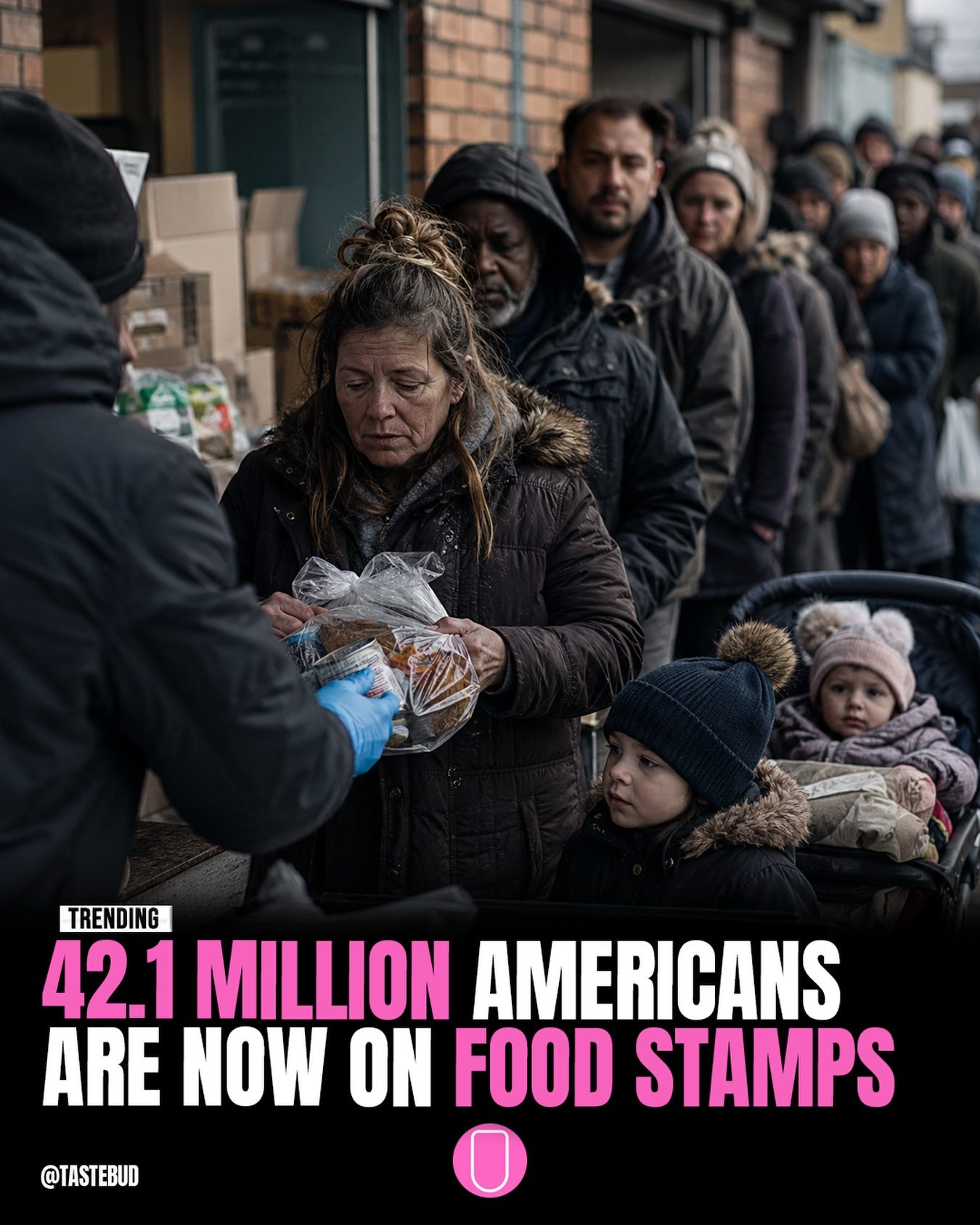
Food Insecurity in America
Food insecurity is a pressing issue in the United States, with millions of Americans relying on food assistance programs to meet their nutritional needs. Recent data shows that about 42.1 million Americans received monthly SNAP (Supplemental Nutrition Assistance Program) food assistance during the fiscal year 2025. This figure represents roughly 12.3% of the U.S. population.
Why This Matters
Understanding the prevalence and trends of food insecurity is crucial for addressing the underlying issues and providing effective support to those in need. The stark contrast between states with the highest and lowest participation rates in SNAP highlights the geographic disparities in food insecurity across the country.
The Current State of Food Insecurity
SNAP Participation Trends
The SNAP program has seen significant fluctuations in participation over the years. Since 2000, the number of Americans receiving SNAP benefits has more than doubled. However, despite this increase, the current participation rate remains below the program's record peak in 2013, when nearly 48 million people received benefits each month.
Geographic Disparities
The participation rate in SNAP varies widely across different states. New Mexico leads with the highest participation rate at 21.9%, indicating a significant portion of its population relies on food assistance. In contrast, Wyoming has the lowest participation rate at 4.7%, suggesting a relatively lower level of food insecurity compared to other states.
Demographic Factors
Food insecurity affects diverse demographic groups, including families with children, elderly individuals, and homeless populations. The visuals often show long lines of people, many of whom appear to be homeless or struggling, waiting to receive food. The image of a woman with a child in a stroller highlights the particular vulnerability of families in need of food assistance.
Practical Tips for Understanding and Addressing Food Insecurity
Stay Informed
Keeping up-to-date with the latest statistics and trends in food insecurity can help individuals and communities better understand the scope of the issue. Following reliable sources and organizations that monitor food assistance programs can provide valuable insights.
Support Local Initiatives
Engaging with local food banks, community gardens, and other initiatives aimed at addressing food insecurity can make a tangible difference. Volunteering, donating, or advocating for these programs can help alleviate the burden on families and individuals in need.
Advocate for Policy Changes
Advocating for policies that strengthen food assistance programs and address the root causes of food insecurity is essential. This can include supporting legislation that increases funding for SNAP, improves access to nutritious food, and provides education and job training to help individuals achieve long-term food security.
Important Takeaways
The Scope of the Issue
The fact that 42.1 million Americans receive monthly SNAP food assistance underscores the widespread nature of food insecurity in the United States. This issue affects a diverse range of individuals and families, highlighting the need for comprehensive solutions.
Geographic Variability
The significant differences in SNAP participation rates across states emphasize the importance of tailored approaches to addressing food insecurity. Understanding the unique challenges faced by different regions can lead to more effective interventions.
The Role of Community Support
Community support, including local initiatives and advocacy efforts, plays a critical role in mitigating food insecurity. Engaging with and supporting these efforts can help create a more resilient and equitable food system.
Conclusion
Food insecurity remains a significant challenge in the United States, with millions of Americans relying on SNAP for their nutritional needs. By understanding the current state of food insecurity, staying informed, supporting local initiatives, and advocating for policy changes, individuals and communities can work together to address this pressing issue. Through collective effort and sustained commitment, it is possible to create a future where everyone has access to the food they need to thrive.
Watch the Reel
Questions readers ask
How many Americans are expected to rely on SNAP benefits in 2025?
In 2025, approximately 42.1 million Americans are projected to receive monthly SNAP benefits, reflecting the significant number of individuals and families experiencing food insecurity.
What does the geographic distribution of SNAP participation tell us about food insecurity in America?
The participation rates in SNAP benefits vary widely across different states and regions, indicating disparities in food insecurity. Understanding these geographic differences helps identify areas where food assistance programs are most needed.
What percentage of the U.S. population is expected to receive SNAP benefits in 2025?
In 2025, roughly 12.3% of the U.S. population is estimated to receive SNAP benefits, highlighting the substantial impact of food insecurity on the population.
How does SNAP help address food insecurity in America?
SNAP, or the Supplemental Nutrition Assistance Program, provides monthly food assistance to low-income individuals and families. By offering financial aid to purchase food, SNAP helps to alleviate the immediate need for food and reduce food insecurity.
What are the key demographic groups affected by food insecurity?
Food insecurity impacts various demographic groups, including low-income families, children, and elderly individuals. Understanding these demographics helps tailor food assistance programs to better meet the specific needs of vulnerable populations.
What can be done to address the underlying issues of food insecurity in the U.S.?
Addressing food insecurity involves a multi-faceted approach, including increasing access to SNAP, enhancing program benefits, reducing eligibility restrictions, and implementing long-term solutions to combat poverty and economic instability.
How does food insecurity vary across different regions in the U.S.?
Food insecurity varies significantly across regions, with some areas having higher participation rates in SNAP. This variation underscores the need for targeted interventions to address the unique challenges faced by different regions in the U.S., ensuring that food assistance programs are effective and efficient.
Related deep dives
Similar reads based on topic and creator.


Recent articles
Fresh deep dives from the latest Reels we unpacked.




Comments
Be the first to comment.