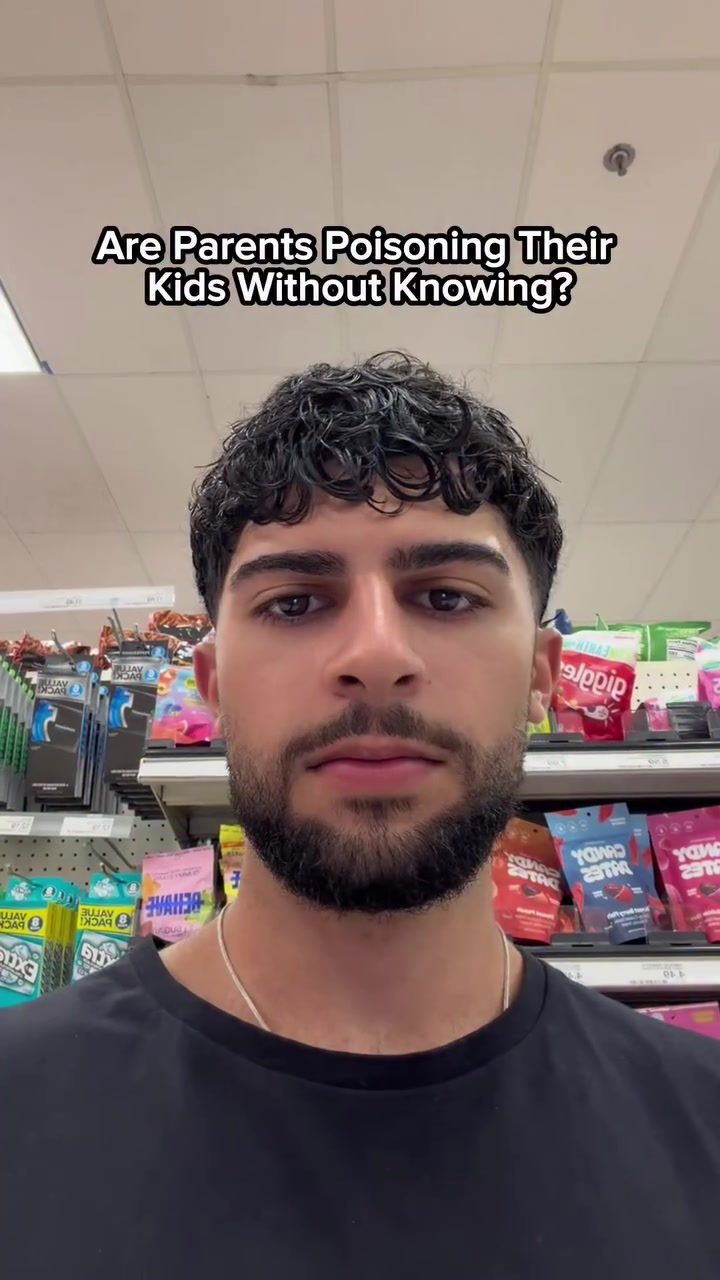
Food Dyes and Their Impact on Children's Health
Understanding the potential health implications of food dyes is crucial, especially when it comes to the snacks children consume. Food dyes are commonly used in a variety of products, including fruit snacks, which are often marketed towards kids. This discussion delves into the concerns surrounding food dyes, their prevalence in children's snacks, and their potential impact on health.
Why This Matters
Food dyes are ubiquitous in modern food products, and their presence in snacks specifically marketed to children raises several health concerns. Understanding the impact of these dyes can help parents make informed decisions about what their children consume.
The Prevalence of Food Dyes
Every year, approximately 15 million pounds of artificial food dye are added to various food items. These dyes are used to enhance the visual appeal of products, making them more attractive to consumers, particularly children. Many of these dyed foods are marketed directly towards kids, including popular snacks like fruit snacks. The vibrant colors of these snacks can make them particularly appealing to young consumers.
Health Concerns Associated with Food Dyes
Behavioral Issues
There is a growing body of evidence suggesting that artificial food dyes are linked to behavioral problems in children. These problems can range from mild to severe and may include issues such as ADHD (Attention Deficit Hyperactivity Disorder) and even autism. Studies have shown that some children may experience heightened levels of hyperactivity and inattention after consuming foods with artificial dyes. While more research is needed to fully understand the mechanisms behind these effects, it is clear that there is a correlation between food dye consumption and behavioral issues in children.
Allergies and Inflammatory Diseases
Beyond behavioral issues, food dyes have also been associated with various inflammatory diseases and allergies. Children who are sensitive to certain food dyes may experience allergic reactions, including skin rashes, hives, and digestive issues. Additionally, there is evidence to suggest that food dyes can exacerbate inflammatory conditions, making them a significant concern for children with pre-existing health issues.
Long-Term Health Implications
The long-term health implications of consuming artificial food dyes are still a subject of ongoing research. However, there is a growing consensus among health professionals that these dyes may contribute to a range of health problems beyond behavioral issues and allergies. Some studies have suggested that prolonged exposure to food dyes could lead to chronic health issues, including an increased risk of certain cancers and metabolic disorders.
Practical Tips for Reducing Food Dye Consumption
Read Labels Carefully
One of the most effective ways to reduce the consumption of artificial food dyes is to read food labels carefully. Look for products that are labeled as "dye-free" or "natural" and avoid those that list artificial food dyes in their ingredient lists. Some common food dyes to watch out for include Red 40, Yellow 5, and Blue 1.
Opt for Natural Alternatives
There are many natural and organic snack options that are free from artificial food dyes. These snacks are often made with natural ingredients and can provide a healthier alternative to traditional fruit snacks. When shopping, look for products that use natural coloring agents, such as beet juice or turmeric, instead of artificial dyes.
Home-Made Snacks
Making snacks at home is another excellent way to ensure that your children are not consuming artificial food dyes. Homemade snacks can be tailored to your child's tastes and dietary needs, and you can control the ingredients used. This approach allows you to avoid artificial dyes and other potentially harmful additives.
Educate Children
It is also important to educate children about the potential dangers of artificial food dyes. By explaining the potential health risks and encouraging them to make healthier choices, you can help them develop a lifelong habit of choosing nutritious and safe foods.
Important Takeaways
Awareness is Key
Being aware of the potential health risks associated with artificial food dyes is the first step in making informed decisions about what your children consume. By understanding the prevalence of these dyes in children's snacks and their potential impact on health, you can take proactive steps to reduce exposure.
Making Informed Choices
Choosing products that are free from artificial food dyes and opting for natural alternatives can significantly reduce the risk of health issues related to these dyes. Reading labels, making homemade snacks, and educating children about healthy eating habits are all practical ways to ensure that children are consuming safe and nutritious foods.
Conclusion
The use of artificial food dyes in children's snacks is a significant concern, with potential links to behavioral issues, allergies, and inflammatory diseases. By understanding the prevalence and impact of these dyes, parents can take proactive steps to reduce their children's exposure and promote healthier eating habits. Opting for natural and dye-free products, reading labels, and making homemade snacks are effective strategies for ensuring that children consume safer and more nutritious foods.
Watch the Reel
Questions readers ask
What are the most common behavioral problems linked to food dyes in kids' snacks?
Food dyes in kids' snacks have been associated with a range of behavioral issues, including hyperactivity, inattention, and impulsivity. Some studies suggest that certain dyes, like Yellow 5 and Red 40, may exacerbate these behaviors, although individual reactions can vary. Parents may notice changes in their child's behavior after consuming dyed snacks, which could indicate sensitivity to these additives.
Which specific food dyes are most commonly found in children's snacks and are associated with potential health risks?
The most common food dyes found in children's snacks are Yellow 5, Yellow 6, Red 40, Blue 1, and Blue 2. These dyes are often used in products like fruit snacks, candies, and cereals. They have been linked to potential health concerns, including allergic reactions and behavioral issues, making it important for parents to be aware of their presence in snacks.
How can parents identify snacks that contain food dyes?
Parents should carefully read the ingredient labels on snack packaging to identify food dyes. Look for terms like 'artificial colors,' followed by a color and a number (e.g., Yellow 5, Red 40). Opting for snacks labeled as 'dye-free' or 'naturally colored' can help reduce exposure to these additives. Additionally, choosing whole foods like fruits and vegetables can eliminate the risk of consuming artificial food coloring.
What are the symptoms of an allergic reaction to food dyes in children?
Allergic reactions to food dyes in children can manifest in various ways, including hives, itching, swelling, and digestive issues like nausea or diarrhea. In severe cases, children may experience anaphylaxis, a life-threatening reaction that requires immediate medical attention. Parents should be vigilant about monitoring their child's reactions after consuming dyed snacks and consult a healthcare provider if any symptoms arise.
Are there any regulations governing the use of food dyes in kids' snacks?
The U.S. Food and Drug Administration (FDA) has approved nine synthetic food dyes for use in food products, including those marketed to children. However, regulatory bodies do not require manufacturers to list specific dyes on packaging. It is the responsibility of the parent to read the labels and make an informed decision. Some countries have implemented stricter regulations, such as requiring warning labels on products containing certain dyes, but the U.S. has not yet adopted similar measures.
What are some alternatives to snacks containing artificial food dyes?
There are many alternatives to snacks containing artificial food dyes. Opt for naturally colored snacks, such as fruits, vegetables, and whole-grain products. Many companies now offer dye-free versions of popular snacks, which can be found in health food stores or online. Additionally, parents can make homemade snacks using natural food coloring derived from sources like beetroot powder, turmeric, and spirulina.
How can parents advocate for better labeling and regulation of food dyes in kids' snacks?
Parents can advocate for better labeling and regulation of food dyes by contacting their representatives and expressing their concerns. Joining parent advocacy groups and participating in campaigns that push for stricter regulations on food dyes can also make a difference. Additionally, supporting brands that prioritize transparency and use natural ingredients can send a clear message to the industry about consumer preferences.
Recent articles
Fresh deep dives from the latest Reels we unpacked.




Comments
Be the first to comment.