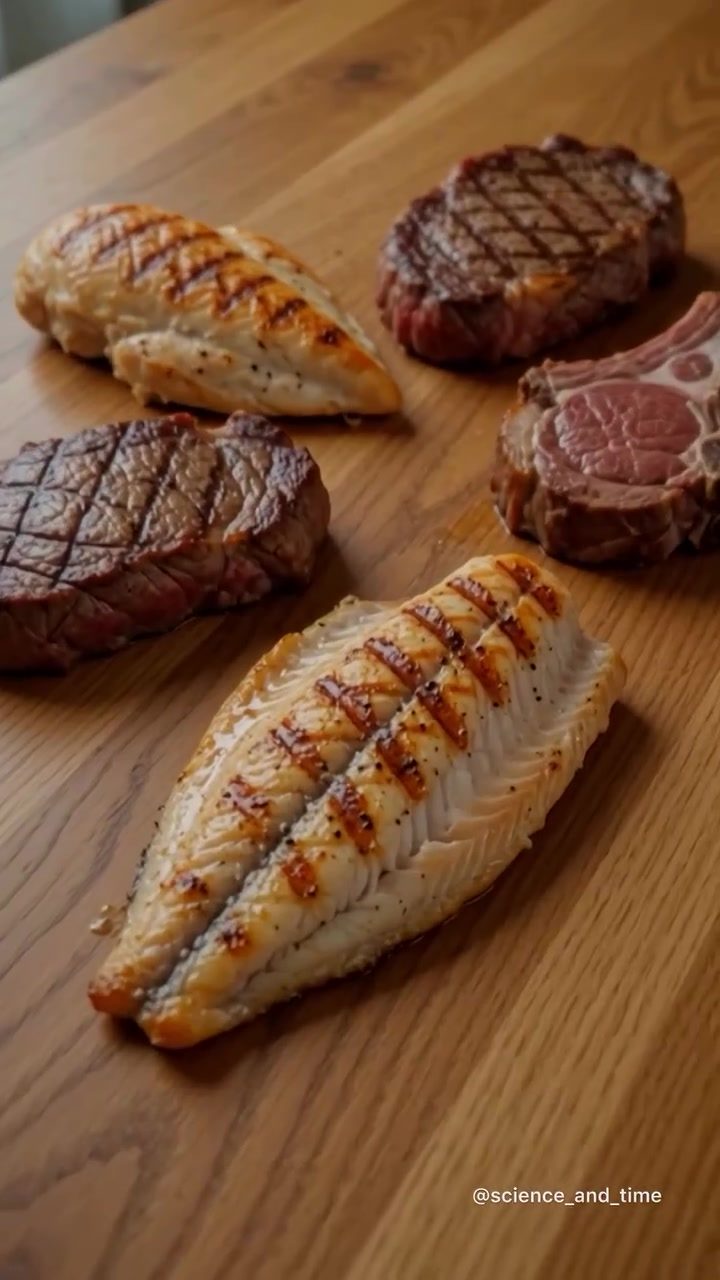
Digestion of Different Meats
When it comes to digestion, not all foods are created equal. This is particularly true for meats, where the type of meat, its fat content, cooking method, and even the size of the meal can significantly impact how quickly or slowly it digests. Understanding these factors can provide valuable insights into how to optimize your diet for better digestion and overall health.
Context / Why This Matters
Digesting meat is a complex process that involves breaking down proteins, fats, and other nutrients into smaller components that the body can absorb. This process begins in the stomach and continues through the intestines. The speed at which meat digests can affect how quickly you feel full, how your body absorbs nutrients, and even how your metabolism functions. By understanding the factors that influence meat digestion, you can make informed choices about what and how you eat.
Main Discussion
Meat is a rich source of protein and other essential nutrients, but its digestion rate can vary widely. Here are some key factors that determine how quickly or slowly meat digests.
Type of Meat
Lean meats, such as chicken breast and turkey, generally digest faster than fatty meats, such as beef and pork. This is because lean meats contain less fat, which means they require less time to break down in the stomach. For example, chicken breast is a lean meat with a high protein content, making it a quicker digestion option. On the other hand, fatty meats like beef and pork take longer to digest because they require more time to be broken down by stomach acid.
Lean proteins such as chicken and fish typically leave the stomach faster than fattier meats due to their lower fat content. This allows for quicker nutrient absorption and can help you feel full sooner.
Cooking Method
The way you cook meat can also impact its digestion rate. Grilling is a healthier cooking method that generally results in less fat content, making it easier for the body to digest. Grilled meats usually contain less fat, so they leave the stomach sooner. The lower fat content means that the body doesn't need to spend as much time breaking down the food, allowing it to pass through the digestive system more quickly.
Fried foods, on the other hand, contain more fat and require bile for digestion. This extra digestion process naturally slows stomach emptying. The higher fat content means that the body has to work harder to break down the food, which can lead to a slower digestion process.
Meal Size
The size of your meal also plays a significant role in how quickly or slowly it digests. Smaller meals usually leave the stomach sooner, while larger meals stretch the stomach and require more mixing, so gastric emptying naturally takes longer. This is because smaller portions are easier for the body to break down and absorb, while larger portions require more time and effort.
Eating smaller, more frequent meals can help improve digestion and nutrient absorption. This approach allows the body to break down food more efficiently, reducing the strain on the digestive system and promoting better overall health.
Practical Tips
Understanding how different types of meat, cooking methods, and meal sizes affect digestion can help you make better food choices. Here are some practical tips to optimize your digestion:
Choose Lean Proteins
Opt for leaner cuts of meat, such as chicken breast or turkey, which digest faster and provide high-quality protein. These meats are generally lower in fat and higher in protein, making them a healthier choice for digestion.
Cook Smart
When possible, grill your meats instead of frying them. Grilling reduces the fat content and makes the meat easier to digest. Additionally, consider using healthier cooking oils, such as olive oil, when frying.
Portion Control
Pay attention to portion sizes. Eating smaller, more frequent meals can help improve digestion and nutrient absorption. This approach allows the body to break down food more efficiently, reducing the strain on the digestive system.
Incorporate Variety
Incorporate a variety of protein sources into your diet. This can include not only meats but also plant-based proteins like beans, lentils, and tofu. Variety ensures that you get a range of nutrients and can help you maintain a balanced diet.
Stay Hydrated
Drinking plenty of water can also aid in digestion. Water helps to break down food and move it through the digestive system more efficiently.
Important Takeaways
- Meat Type: Lean meats digest faster than fatty meats.
- Cooking Method: Grilled meats generally leave the stomach sooner than fried foods.
- Meal Size: Smaller meals empty from the stomach faster than larger meals. Digestion isn't determined by the food alone—fat content, cooking method, and portion size all make a difference.
Conclusion
Digestion of different meats is influenced by a variety of factors, including the type of meat, its fat content, cooking method, and portion size. By understanding these factors, you can make informed choices about what and how you eat to optimize your digestion. Opting for leaner cuts, choosing healthier cooking methods, and paying attention to portion sizes can all contribute to better overall health and digestion.
Watch the Reel
Questions readers ask
How does the type of meat affect digestion speed?
The type of meat significantly influences digestion speed. Lean proteins, such as chicken and fish, digest more quickly than fatty meats like beef and pork. This difference is due to the varying fat content, which slows down the digestion process.
Why does the cooking method matter in meat digestion?
The cooking method affects how fast meat digests. For instance, grilling or broiling can speed up digestion by breaking down proteins more efficiently. Conversely, methods like frying can slow down digestion due to the added fats.
Which meats are considered fast digesting?
Lean meats, particularly poultry and fish, are considered fast-digesting. These meats have lower fat content, allowing the body to break them down more quickly than fattier cuts.
How does the fat content in meat impact digestion time?
The higher the fat content in meat, the longer it takes to digest. Fats take more time to break down compared to proteins and carbohydrates, which can slow down the overall digestion process.
Can the size of the meal affect meat digestion speed?
Yes, the size of the meal can impact digestion speed. Larger meals take longer to digest because the body needs more time to break down a greater quantity of food. Smaller meals, on the other hand, are typically digested more quickly.
How does digestion of different meats affect nutrient absorption?
The speed at which different meats digest can influence how quickly nutrients are absorbed. Faster-digesting meats, like chicken and fish, release nutrients into the bloodstream more rapidly, whereas slower-digesting meats, like beef and pork, provide a more prolonged release of nutrients.
Does the digestion speed of meat impact feelings of fullness?
Yes, the digestion speed of meat can affect how quickly you feel full. Faster-digesting meats may leave you feeling full for a shorter period, while slower-digesting meats can help maintain a feeling of fullness for longer.
Recent articles
Fresh deep dives from the latest Reels we unpacked.




Comments
Be the first to comment.