Fog Harvesting Systems: A Sustainable Solution for Water Scarcity
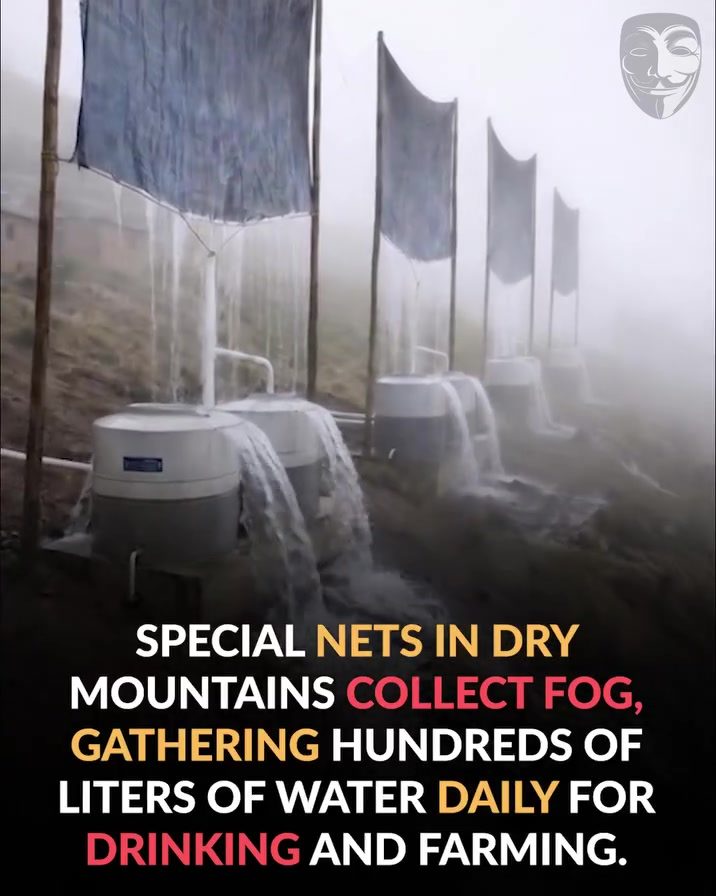
Fog harvesting systems offer a sustainable and innovative solution for water collection in dry, mountainous regions. This method uses large mesh nets to capture tiny water droplets from passing fog, providing a reliable water source for drinking, cooking, cleaning, and small-scale farming. As water scarcity becomes an increasingly pressing issue, fog harvesting stands out as a simple, cost-effective, and environmentally friendly approach to water management.
Why This Matters
Water scarcity affects millions of people worldwide, particularly in arid and semi-arid regions. Traditional water sources like rivers and groundwater are often limited or contaminated. Fog harvesting systems provide a viable alternative by tapping into an often overlooked resource: atmospheric moisture. These systems are particularly beneficial in mountainous areas where fog is prevalent, offering a lifeline to communities struggling with water shortages.
How Fog Harvesting Systems Work
The Basic Components
Fog harvesting systems consist of a few key components:
- Mesh Nets: Large, specially designed mesh nets are suspended between poles. These nets are engineered to capture tiny water droplets from the fog as it passes through.
- Support Structures: Poles or frames hold the nets in place, ensuring they are positioned optimally to capture the maximum amount of fog.
- Collection Tanks: The captured water droplets coalesce and flow down into collection tanks, where it is stored for use.
The Collection Process
The process is straightforward yet ingenious. As fog drifts through the mesh nets, water droplets adhere to the fine fibers. These droplets then coalesce and flow down into collection tanks. The collected water is pure and can be used directly for various purposes, including drinking, cooking, and irrigation. This simplicity makes fog harvesting systems highly effective and low-maintenance.
Practical Tips for Implementing a Fog Harvesting System
Site Selection
Choosing the right location is crucial for the success of a fog harvesting system. Ideal sites include:
- High Elevations: Mountainous regions with frequent fog are perfect for fog harvesting.
- Wind Patterns: Areas with consistent wind patterns that bring fog are more likely to yield higher water collection rates.
Design and Installation
- Net Placement: Ensure the nets are positioned perpendicular to the prevailing wind direction to maximize fog capture.
- Net Density: The density of the mesh plays a significant role. Fine mesh captures more droplets but may require more frequent cleaning. Medium density nets offer a good balance between water capture and maintenance.
- Tank Placement: Position the collection tanks at a lower level than the nets to ensure efficient water flow.
Maintenance
Regular maintenance is key to keeping the system functional. This includes:
- Cleaning Nets: Dust, bugs, and debris can clog the mesh, reducing its efficiency. Regular cleaning ensures optimal performance.
- Inspecting Poles and Frames: Check for any structural damage or wear and tear that might affect the stability and positioning of the nets.
Important Considerations
Environmental Impact
One of the most significant advantages of fog harvesting is its minimal environmental impact. Unlike traditional methods of water extraction, which can deplete groundwater resources, fog harvesting leverages atmospheric moisture, respecting natural water cycles.
Community Benefits
Fog harvesting systems have proven to be life-changing for communities in arid regions. They provide a sustainable water source that supports various domestic and agricultural needs, fostering self-sufficiency and reducing dependency on external water supplies.
Economic Feasibility
The cost of setting up a fog harvesting system is relatively low compared to other water extraction methods. It requires minimal infrastructure and no electricity, making it an affordable solution for many communities.
Conclusion
Fog harvesting systems represent a beacon of hope in the fight against water scarcity. By harnessing atmospheric moisture, these systems provide a sustainable, cost-effective, and environmentally friendly solution for obtaining water in dry, mountainous regions. As water scarcity continues to pose a significant challenge, adopting fog harvesting can contribute immensely to the resilience and sustainability of affected communities.
Watch the Reel
Questions readers ask
How do fog nets effectively collect water from the air?
Fog nets work by using a large mesh that captures tiny water droplets from fog as it passes through. The droplets coalesce on the mesh and drip down into a collection container, providing a steady supply of water.
What are the primary uses of water collected from fog nets?
The water collected from fog nets can be used for drinking, cooking, cleaning, and small-scale farming. It provides a vital resource for communities in dry, mountainous regions where traditional water sources may be scarce or contaminated.
Can fog harvesting systems be used in all mountainous regions?
Fog harvesting systems are ideally suited for mountainous regions with frequent fog but low rainfall. However, the effectiveness of these systems depends on the local climate and topography so it is best to research local conditions before implementing.
Are fog harvesting systems a passive means of water collection?
Yes, fog harvesting systems are a passive means of water collection. They do not require electricity or complex machinery. Once the fog nets are installed, the natural movement of fog through the air collects the water, making it a low-maintenance solution.
How can fog harvesting benefit small-scale farming in dry regions?
Fog harvesting can provide a consistent water source for small-scale farming in dry regions, allowing farmers to grow crops and support livestock. The collected water can be used for irrigation, helping to improve crop yields and food security.
What makes fog harvesting a sustainable solution for water collection?
Fog harvesting is a sustainable solution because it relies on a renewable resource—fog—and does not deplete groundwater or other water bodies. It is also cost-effective, environmentally friendly, and does not require significant energy inputs, making it an attractive option for long-term water management.
What considerations are important when installing a large-scale fog collection system?
When installing a large-scale fog collection system, it's important to consider factors such as the local fog frequency and density, the optimal placement and orientation of the fog nets, and the design of the collection and storage systems. Additionally, community involvement and maintenance plans are crucial for long-term success.
Related deep dives
Similar reads based on topic and creator.

Recent articles
Fresh deep dives from the latest Reels we unpacked.




Comments
Be the first to comment.