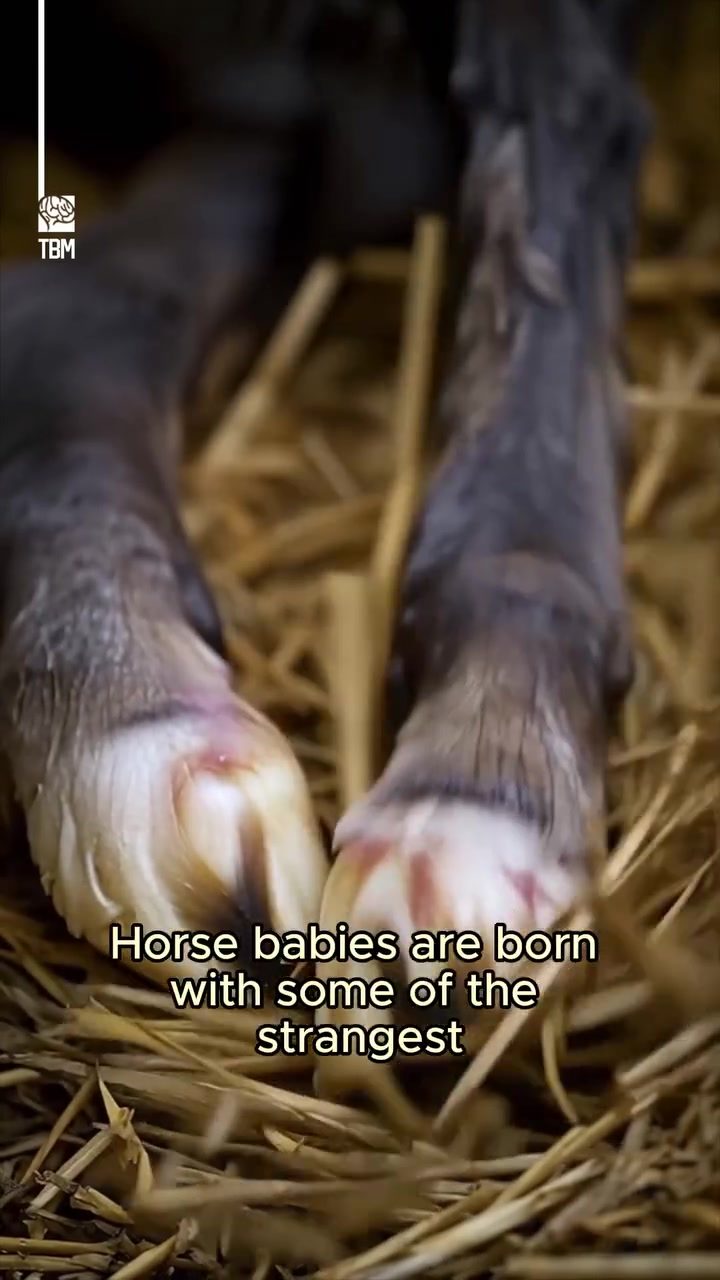
Foal Hooves
Foals, or baby horses, are born with a unique and protective covering on their hooves known as the eponychium, often referred to as "fairy fingers." This soft, rubbery layer serves a crucial purpose during the critical stages of pregnancy and birth.
Why This Matters
Understanding the eponychium and its role in a foal's development helps shed light on the remarkable adaptations that occur in horses. The eponychium is not just a curious feature; it plays a vital role in ensuring the safety and well-being of both the foal and the mare during birth.
The Eponychium: Nature's Protective Layer
Development in the Womb
While still in the womb, a foal's developing hooves are encased in a soft, flexible membrane known as the eponychium. This layer is essential for protecting the mare from potential injuries that could be caused by the foal's hard hooves during pregnancy and delivery. The eponychium acts as a cushion, preventing the foal's hooves from damaging the mare's uterus. This protective layer is often described as wet and squishy, resembling the appearance of an alien-like covering.
The Transition After Birth
Immediately after birth, the eponychium continues to play a protective role. As the foal stands and begins to walk, the membrane starts to dry out and wear away. This process is accelerated by air and friction, causing the tissue to shed within hours to a few days. Gradually, the hard, permanent hoof structure underneath is revealed, ready to support the foal as it takes its first steps into the world.
The Role of the Eponychium
Protection During Pregnancy and Birth
The primary function of the eponychium is to protect both the mare and the foal. During pregnancy, the mare's uterus is particularly sensitive, and the hard hooves of the developing foal could cause significant injury. The flexible, finger-like structures of the eponychium cover the hard edges of the hooves, providing a cushion that prevents any potential damage. This is especially important during the final stages of pregnancy and the actual birth process, where the foal's movements are most active and the mare's body is most vulnerable.
Post-Natal Adaptation
After birth, the eponychium serves a different but equally important purpose. It allows the foal to begin moving and standing up without the risk of its hard hooves causing it discomfort or injury. The soft, flexible nature of the eponychium ensures that the foal can navigate its new environment safely. The gradual shedding of the eponychium also helps the foal transition to its permanent hooves, which will support it for the rest of its life.
Practical Tips for Understanding Foal Hooves
Observation and Care
For those involved in equine care, understanding the eponychium and its role is crucial. Gentle handling and observation during the first few days of a foal's life can help ensure that the eponychium sheds naturally. Interfering with this process can potentially cause complications, so it's essential to allow nature to take its course. If there are any concerns about the foal's hooves, it's best to consult with a veterinarian.
Monitoring the Transition
Keeping an eye on the transition from the eponychium to the permanent hoof structure is important. If the shedding process seems to be delayed or if there are signs of infection or damage, prompt veterinary attention is necessary. Regular cleaning and gentle handling can also help ensure that the hooves develop healthily.
Supporting Healthy Hooves
Ensuring the foal has a clean, comfortable environment and proper nutrition can support healthy hoof development. Clean bedding and access to fresh air can prevent any complications that might arise during the shedding of the eponychium. A balanced diet also plays a crucial role in the overall health and development of the foal. As the foal grows, it will need appropriate hoof care to maintain strong, healthy hooves.
Important Takeaways
The eponychium, or "fairy fingers," is a fascinating and functional feature of foal hooves. It protects both the mare and the foal during pregnancy and birth, and it plays a critical role in the foal's early development. Understanding this protective layer can provide valuable insights into the natural processes that ensure the well-being of horses.
Conclusion
The eponychium is a remarkable example of nature's ingenuity in protecting and supporting new life. For those involved in equine care, appreciating the role of the eponychium can enhance the understanding and care of foals during their critical early days. By allowing the natural process to unfold and providing the necessary support, we can ensure that foals develop into healthy, strong horses.
Watch the Reel
Questions readers ask
What are 'fairy finger hooves' and why are they important for newborn foals?
'Fairy finger hooves' is a colloquial term for the eponychium, a soft, protective layer that covers a foal's hooves at birth. This temporary covering acts as a cushion, preventing injuries to both the foal and the mare during the birthing process.
How long does the eponychium last on a foal's hooves?
The eponychium typically sheds within the first few days of a foal's life. This shedding exposes the hard hoof tissue underneath, which is then ready to bear weight and support the foal's movements.
What happens if the eponychium is removed too early?
If the eponychium is removed prematurely, it can lead to discomfort and potential injury for the foal. The eponychium acts as a natural barrier, allowing the foal to move around and explore its environment without risking damage to the delicate hoof tissue underneath.
How does the eponychium help during the birthing process?
The eponychium serves as a protective cushion, absorbing impacts and preventing injuries to both the mare and the foal. This protective layer helps ensure a smoother birthing process and safeguards the foal as it navigates the birth canal.
Can the eponychium be mistaken for something else when inspecting a newborn foal?
While the eponychium might look unusual, it should not be confused with any abnormalities or infections. This layer is a natural part of a foal's development and will shed on its own within a few days, revealing the hard hoof tissue underneath.
Are there any special care instructions for a foal's hooves immediately after birth?
Immediately after birth, it’s best to leave the eponychium alone. Interfering with it can cause unnecessary stress and potential injury to the foal. Regular monitoring and ensuring the foal has a clean, safe environment are the primary care steps during this period.
What should you do if the eponychium is not shedding naturally?
If the eponychium is not shedding naturally within the first few days, it’s crucial to consult with a veterinarian. They can assess the foal's health and determine if there are any underlying issues that need to be addressed.
Recent articles
Fresh deep dives from the latest Reels we unpacked.




Comments
Be the first to comment.