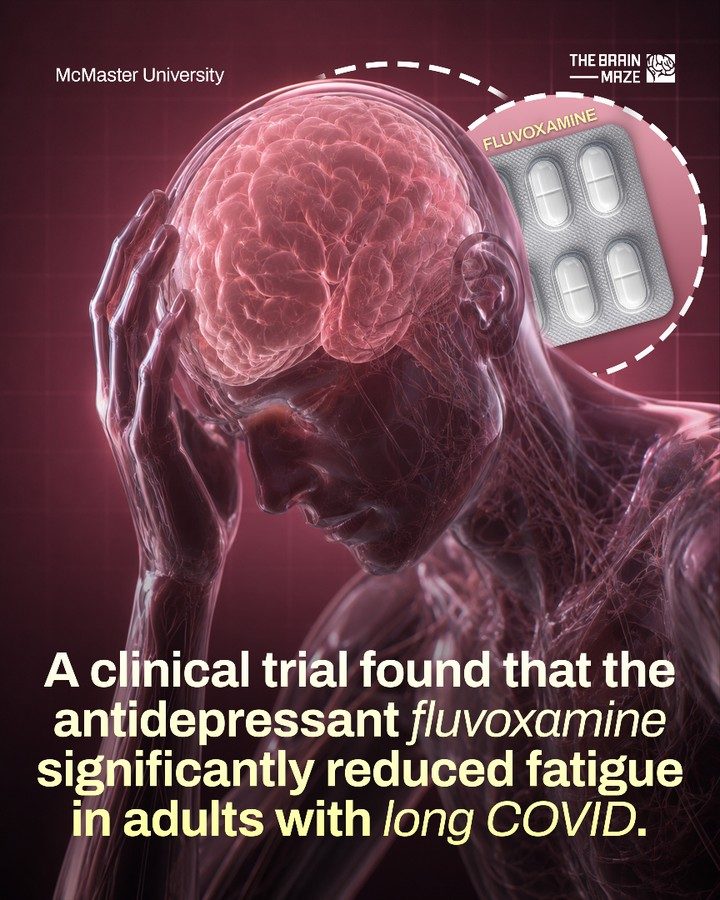
COVID-19 Fatigue and FLUVOXAMINE
Long COVID, a condition characterized by persistent symptoms long after the initial infection, affects millions of people worldwide. One of the most debilitating symptoms is severe fatigue, which can significantly impact daily life. Recent findings from a randomized clinical trial offer hope for those struggling with this issue.
Why This Matters
Fatigue is a common and often debilitating symptom of long COVID. It can manifest as an overwhelming sense of exhaustion, muscle weakness, and cognitive impairment. This fatigue is not merely a feeling of tiredness but a profound lack of energy that can make even simple tasks feel impossible. The impact on quality of life can be severe, affecting both physical and mental health.
The search for effective treatments for long COVID fatigue has been challenging. Many medications have been tested, but few have shown significant benefits. A recent clinical trial, however, suggests that the common antidepressant fluvoxamine may offer relief for those experiencing severe fatigue as a result of long COVID.
The Clinical Trial and FLUVOXAMINE
The Study and Its Findings
The clinical trial, conducted by researchers from McMaster University and the University of British Columbia, involved 399 adults who were experiencing long COVID fatigue. Participants were randomly assigned to receive either fluvoxamine or a placebo. The results were promising: those who took fluvoxamine reported less fatigue and a better overall quality of life compared to those who took the placebo.
How FLUVOXAMINE Works
Fluvoxamine is a selective serotonin reuptake inhibitor (SSRI), a class of drugs commonly used to treat depression and anxiety. It works by increasing the levels of serotonin, a neurotransmitter that plays a crucial role in mood regulation and overall well-being. While the exact mechanism by which fluvoxamine reduces fatigue in long COVID patients is not fully understood, it is believed that its effects on serotonin levels may help alleviate some of the symptoms associated with the condition.
The Significance of the Findings
This study is among the first to show meaningful benefits for long COVID fatigue. While more research is needed to confirm these findings and understand the underlying mechanisms, the results are a significant step forward in the search for effective treatments. The fact that fluvoxamine is already a widely-used antidepressant adds to its potential appeal, as it may be more readily accessible and familiar to healthcare providers and patients alike.
Treating Long COVID Fatigue
Integrating FLUVOXAMINE into Long COVID Care
Given the promising results of the clinical trial, fluvoxamine could become an important part of the treatment plan for those suffering from long COVID fatigue. However, it is essential to consult with a healthcare provider before starting any new medication. The decision to integrate fluvoxamine into a long COVID treatment plan should be based on individual needs and the recommendations of a medical professional.
FLUVOXAMINE and Other Treatment Options
While fluvoxamine shows promise, it is not a cure-all for long COVID fatigue. It is important to consider a multifaceted approach to managing symptoms. This may include lifestyle changes such as regular exercise, a balanced diet, and adequate sleep. Additionally, other medications or therapies may be recommended based on individual needs. Ongoing research will continue to shed light on the most effective ways to manage long COVID symptoms.
Practical Tips for Managing Long COVID Fatigue
Listen to Your Body
One of the most important steps in managing long COVID fatigue is to listen to your body. Pay attention to your energy levels and avoid overexertion. Pacing yourself throughout the day can help conserve energy and prevent fatigue from worsening.
Establish a Routine
Creating a structured daily routine can help manage symptoms and improve overall well-being. This may include setting specific times for meals, rest, and activities. Consistency can make it easier to plan and manage energy levels.
Stay Active
While it may be tempting to rest completely, physical activity can help combat fatigue. Gentle exercises such as walking, yoga, or tai chi can improve energy levels and reduce fatigue. However, it is important to start slowly and gradually increase activity levels to avoid overexertion.
Eat a Balanced Diet
A balanced diet can support overall health and energy levels. Focus on consuming a variety of nutrient-rich foods, including fruits, vegetables, lean proteins, and whole grains. Staying hydrated is also crucial, as dehydration can exacerbate fatigue.
Get Enough Sleep
Quality sleep is essential for managing fatigue. Aim for 7-9 hours of sleep per night and maintain a consistent sleep schedule. Creating a relaxing bedtime routine can help improve sleep quality and reduce the impact of long COVID fatigue.
Seek Support
Long COVID fatigue can be isolating, but you are not alone. Reach out to friends, family, or support groups for emotional and practical support. Professional help, such as therapy or counseling, can also be beneficial in managing the emotional and psychological aspects of long COVID.
Important Takeaways
Fluoxetine and Long COVID Fatigue
The clinical trial conducted by McMaster University and the University of British Columbia demonstrates that fluvoxamine, a common antidepressant, may offer meaningful benefits for those experiencing long COVID fatigue. While more research is needed, the findings are a significant step forward in the search for effective treatments.
Managing Long COVID Fatigue
Long COVID fatigue can be challenging to manage, but a multifaceted approach that includes medication, lifestyle changes, and emotional support can help improve quality of life. It is essential to consult with a healthcare provider to develop a personalized treatment plan.
Conclusion
Long COVID fatigue is a persistent and debilitating symptom that affects many people. The recent clinical trial findings on fluvoxamine offer a glimmer of hope. As researchers continue to explore the potential benefits of this medication, it is essential to stay informed and consult with healthcare providers to manage symptoms effectively. With the right support and treatment, it is possible to improve quality of life and regain a sense of normalcy.
Watch the Reel
Questions readers ask
What is long COVID fatigue and how does it affect daily life?
Long COVID fatigue is a persistent and severe exhaustion experienced by individuals who have recovered from the initial COVID-19 infection. This fatigue can make even simple tasks feel overwhelming, impacting both physical and mental health. It often includes muscle weakness and cognitive impairment, significantly reducing the quality of life for those affected.
How does fluvoxamine help in managing long COVID fatigue?
Fluvoxamine, typically used as an antidepressant, has shown promise in reducing long COVID fatigue. Recent clinical trials indicate that it can help alleviate the debilitating exhaustion and improve the overall quality of life for individuals experiencing this symptom. It works by targeting specific mechanisms in the brain that may be affected by the virus.
What are the most common symptoms of long COVID?
Long COVID can present with a variety of symptoms, but one of the most common and debilitating is severe fatigue. Other symptoms may include shortness of breath, cognitive difficulties (often referred to as 'brain fog'), sleep disturbances, and even heart palpitations. These symptoms can vary in severity and duration from person to person.
What are the potential side effects of taking fluvoxamine for long COVID fatigue?
Like any medication, fluvoxamine can have side effects. Common ones include nausea, dizziness, and insomnia. It's important to consult with a healthcare provider before starting any new medication, as they can provide guidance based on individual health profiles and monitor for any adverse reactions.
What should adults with long COVID fatigue expect from fluvoxamine treatment?
Adults with long COVID fatigue who are prescribed fluvoxamine should expect a gradual improvement in their energy levels and overall well-being. It may take time to find the right dosage and monitor the effects, so patience and regular follow-ups with healthcare providers are crucial. The goal is to enhance daily functioning and reduce the impact of fatigue on their lives.
How can individuals with long COVID fatigue manage their symptoms beyond medication?
In addition to medication, individuals with long COVID fatigue can benefit from a combination of strategies such as pacing activities to avoid overexertion, maintaining a balanced diet, engaging in gentle exercise as tolerated, and ensuring adequate sleep. Cognitive-behavioral therapy (CBT) and support groups can also provide additional support in coping with the challenges of long COVID.
What are the latest findings from fluvoxamine clinical trials for long COVID fatigue?
Recent clinical trials have demonstrated that fluvoxamine can significantly reduce fatigue in individuals with long COVID. These trials have shown improvements in both physical and cognitive symptoms, offering a promising avenue for those seeking relief from this debilitating condition. The findings highlight the potential of repurposing existing medications for new uses.
Related deep dives
Similar reads based on topic and creator.




Recent articles
Fresh deep dives from the latest Reels we unpacked.




Comments
Be the first to comment.