Gravity-Defying Fluid Art: The Fusion of Art and Engineering
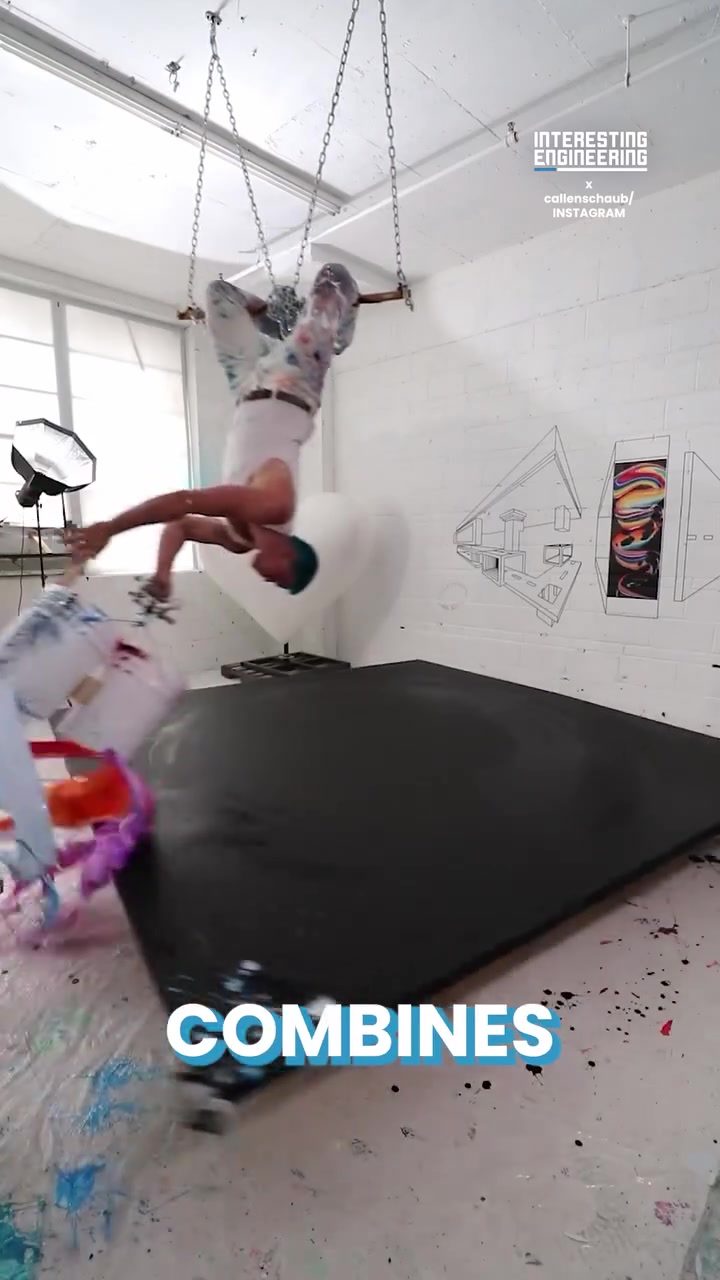
Fluid art is a captivating blend of creativity and innovative techniques. It combines the beauty of fluid dynamics with artistic expression, resulting in unique, gravity-defying masterpieces. Callen Schaub, the artist behind these mesmerizing creations, uses a harness and chain system to perform acrobatic movements while pouring and manipulating colorful paints onto a large, tilted surface.
Why This Matters
Art has always been a medium for self-expression and innovation. Fluid art, in particular, pushes the boundaries of traditional art forms by incorporating physical performance and engineering principles. The interplay between gravity, movement, and artistic expression creates a dynamic and visually stunning experience. This fusion of art and engineering not only challenges the viewer's perception of art but also opens up new possibilities for artistic exploration.
Techniques and Methods
The Role of Gravity
Gravity plays a crucial role in fluid art. The tilted surface allows for unique paint flow and blending, creating a dynamic interplay between the artist's movements and the natural forces at work. By manipulating the canvas at different angles, Schaub can control the direction and intensity of the paint flow, resulting in intricate and unpredictable patterns.
Harness and Chain System
The harness and chain system is a key component of Schaub's fluid art performances. This system allows the artist to perform acrobatic movements while suspended in the air, adding an element of physicality and dynamism to the creative process. The movements are carefully choreographed to synchronize with the pouring and manipulation of paints, creating a seamless blend of art and engineering.
Use of Fluid Art Supplies
Fluid art supplies, including high-quality paints and surfaces, are essential for achieving the desired effects. The paints used in fluid art are specially formulated to flow and blend in unique ways, creating vibrant and dynamic patterns. The surface, usually a large canvas or panel, is tilted to allow for the natural flow of the paint, which can be influenced by the artist's movements and the force of gravity.
Practical Tips for Aspiring Fluid Artists
If you are inspired to explore fluid art, here are some practical tips to get you started:
Choosing the Right Paints
Opt for high-quality, fluid acrylic paints specifically designed for this technique. These paints have a low viscosity, allowing them to flow smoothly and mix easily. Choose a variety of colors to create vibrant and dynamic patterns.
Preparing the Surface
Use a large canvas or panel as your surface. Ensure it is securely tilted to allow for the natural flow of the paint. The angle of the surface can be adjusted to control the speed and direction of the paint flow.
Experimenting with Techniques
Experiment with different pouring and manipulation techniques. Try pouring the paint directly onto the surface, tilting the canvas to create different patterns, or using tools like droppers and straws to control the flow. Don't be afraid to get creative and explore new methods.
Including Movement and Dynamics
Incorporate movement and dynamics into your artwork. Use a harness and chain system, if possible, to perform acrobatic movements while pouring and manipulating the paint. This adds an element of physicality and energy to your pieces, making them more engaging and unique.
Important Takeaways
Fluid art is a dynamic and innovative form of artistic expression that combines art and engineering. By defying gravity and incorporating physical performance, artists like Callen Schaub create unique and captivating masterpieces. The interplay between gravity, movement, and artistic expression opens up new possibilities for artistic exploration and innovation.
Conclusion
Fluid art is a fascinating and transformative medium that pushes the boundaries of traditional art forms. By combining the principles of fluid dynamics with artistic expression, artists create dynamic and visually stunning pieces. Whether you are a seasoned artist or just starting out, exploring fluid art can be a rewarding and exciting journey. Embrace the fusion of art and engineering, and let your creativity soar.
Watch the Reel
Questions readers ask
What makes Callen Schaub's fluid art unique?
Callen Schaub's fluid art stands out due to his integration of acrobatic movements and engineering principles. Using a harness and chain system, Schaub manipulates paint on a tilted surface, creating dynamic, gravity-defying masterpieces that are as thrilling to watch as they are visually stunning.
How does Callen Schaub incorporate engineering into his art?
Callen Schaub uses a custom harness and chain system to control his movements and the flow of paint. This engineering allows him to perform acrobatic maneuvers while pouring and manipulating colorful paints, creating a fusion of art and engineering that challenges traditional art forms.
What is the significance of the tilted surface in Callen Schaub's performances?
The tilted surface is a key element in Callen Schaub's fluid art performances. It allows gravity to play a crucial role in the paint's movement, enabling Schaub to create gravity-defying patterns and designs. The angle of the surface can be adjusted to achieve different artistic effects, adding an extra layer of creativity to his work.
What kind of movements and techniques does Callen Schaub use in his fluid art?
Callen Schaub employs a range of acrobatic movements and innovative techniques. He swings, twists, and turns using his harness and chain system, controlling the flow of paint. These movements require precise timing and skill, making each performance unique and captivating to audiences.
How does Callen Schaub's art challenge traditional art boundaries?
By incorporating physical performance and engineering principles, Callen Schaub's fluid art goes beyond traditional painting. The combination of gravity-defying movements, dynamic paint flows, and the use of engineering techniques creates a visually stunning and engaging experience that pushes the limits of conventional art forms.
Can I recreate Callen Schaub's fluid art techniques at home?
While it's challenging to replicate Callen Schaub's techniques exactly, you can experiment with fluid art at home using a tilted surface and pouring paints. However, the acrobatic movements and the specific engineering of Schaub's harness and chain system are difficult to replicate without proper training and equipment.
Related deep dives
Similar reads based on topic and creator.

Recent articles
Fresh deep dives from the latest Reels we unpacked.




Comments
Be the first to comment.