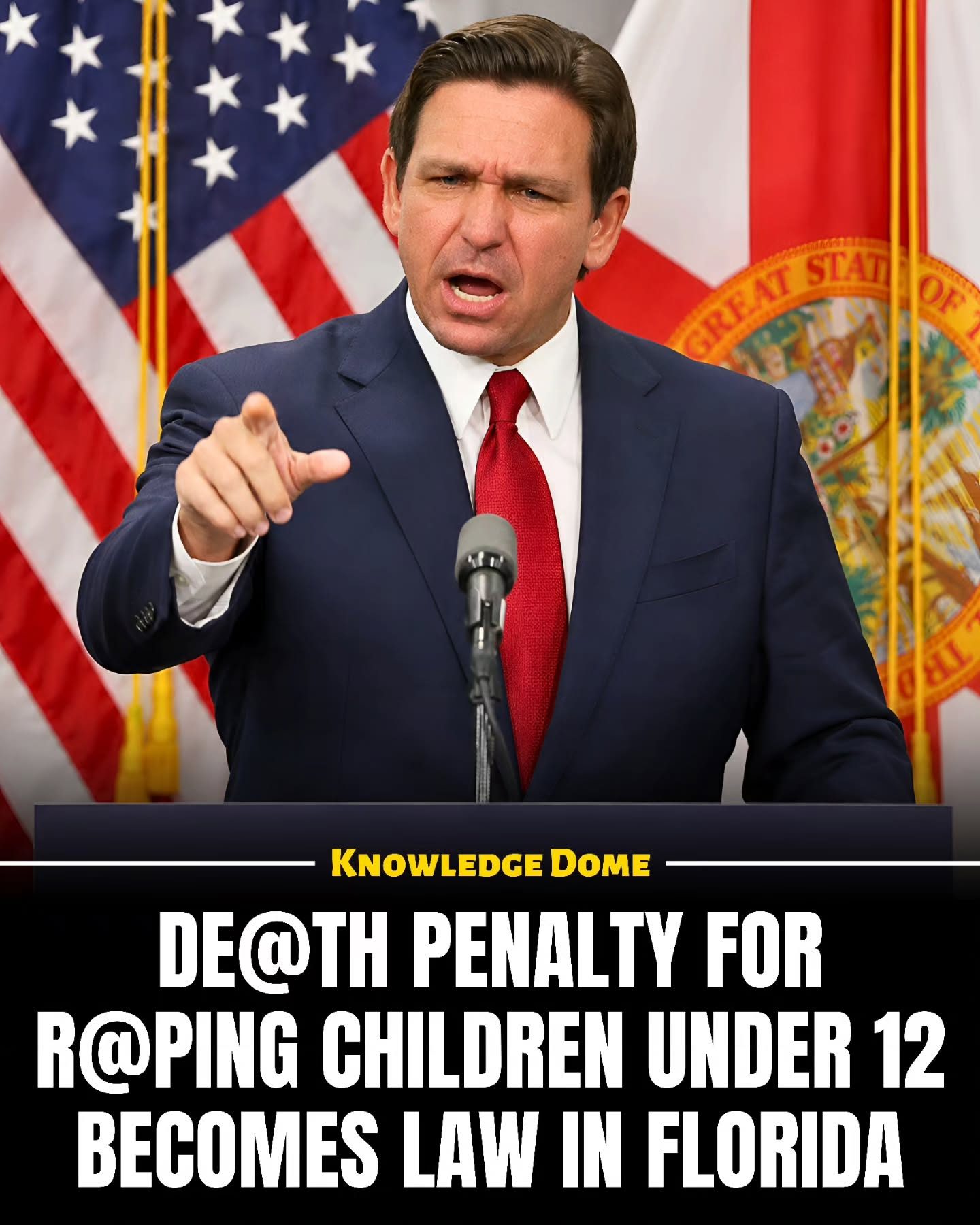
Florida's HB 1297: Death Penalty for Child Rape and Sexual Battery
Florida has implemented a significant legal change with the enactment of House Bill 1297 (HB 1297). This law, which took effect in October 2023, allows prosecutors to seek the death penalty or life imprisonment for adults convicted of sexually assaulting a child under 12 or committing capital sexual battery against a child of that age. The law has sparked controversy due to its direct challenge to a 2008 U.S. Supreme Court ruling, Kennedy v. Louisiana, which held that the death penalty cannot be applied to crimes like child rape when no homicide is involved.
The new Florida law is designed to test the boundaries set by Kennedy v. Louisiana. Lawmakers hope that by enforcing this statute, future legal challenges might persuade the courts to reconsider the 2008 ruling. This law aligns with Florida's existing death penalty provisions, which permit an 8-4 jury vote to recommend a death sentence, rather than requiring a unanimous decision. Prosecutors have already begun applying HB 1297 in real cases, making it a subject of ongoing legal scrutiny.
Why This Matters
The passage of HB 1297 has significant implications for the legal landscape in Florida and beyond. It raises critical questions about the application of the death penalty, the interpretation of U.S. Supreme Court rulings, and the role of state legislatures in shaping criminal justice policies. The law is not just a legal technicality; it reflects broader societal debates about justice, punishment, and the protection of vulnerable populations.
Legislative Intent and Legal Context
Challenging Kennedy v. Louisiana
In 2008, the U.S. Supreme Court delivered a landmark ruling in Kennedy v. Louisiana, which declared that the death penalty could not be imposed for the rape of a child when the crime did not result in death. This decision was grounded in the Eighth Amendment, which prohibits "cruel and unusual punishments." The court argued that the death penalty, a form of punishment reserved for the most heinous crimes, should not be applied to crimes against individuals who did not lose their lives.
Florida's HB 1297 directly challenges this precedent by expanding the circumstances under which the death penalty can be sought. The lawmakers' intent is clear: to push the legal boundaries and potentially set the stage for a re-evaluation of Kennedy v. Louisiana. If successful, this could lead to a shift in how the death penalty is applied across the United States.
Jury Voting Requirements
Florida's death penalty laws are unique in that they allow for a non-unanimous jury recommendation for the death penalty. Typically, a jury must reach a unanimous decision to recommend capital punishment. However, in Florida, an 8-4 vote is sufficient. This lower threshold for a jury recommendation aligns with the state's broader approach to capital punishment, which has been a subject of debate and legal challenges in recent years.
Practical Implications
For Prosecutors
Prosecutors in Florida now have a powerful new tool at their disposal. The ability to seek the death penalty or life imprisonment for the sexual assault of children under 12 provides a stronger deterrent and a more severe punishment for these crimes. This shift in policy is likely to influence prosecutorial strategies and the types of charges filed in such cases.
For Defendants
Defendants accused of these crimes will face more severe penalties, which could lead to more aggressive legal defenses. Attorneys may challenge the constitutionality of the new law, citing the Kennedy v. Louisiana precedent. The legal battles that ensue could set new precedents and clarify the scope of the death penalty in cases of sexual assault against children.
For the Courts
The implementation of HB 1297 puts the courts in a complex position. They must navigate the tension between state law and federal precedent. The legal challenges that arise from this law will test the limits of judicial interpretation and could potentially lead to new rulings that either uphold or overturn Kennedy v. Louisiana.
Practical Tips for Legal Professionals
For Prosecutors
- Understand the Law: Familiarize yourself with the specifics of HB 1297 and how it interacts with existing Florida death penalty laws.
- Prepare for Legal Challenges: Be ready to defend the constitutionality of the law in court, anticipating arguments based on Kennedy v. Louisiana.
- Build Strong Cases: Focus on collecting robust evidence and building compelling arguments to support the death penalty or life imprisonment in eligible cases.
For Defense Attorneys
- Challenge the Law: Prepare to argue against the constitutionality of HB 1297, citing Kennedy v. Louisiana and other relevant precedents.
- Strengthen Client Defense: Emphasize the lack of unanimity in jury recommendations for the death penalty and the potential for miscarriage of justice.
- Explore Alternative Sentences: Advocate for life imprisonment or other severe penalties as alternatives to the death penalty, especially in cases where the death penalty may be legally questionable.
For Judges
- Stay Informed: Keep abreast of the evolving legal landscape surrounding HB 1297 and related court decisions.
- Apply the Law Fairly: Ensure that the application of the law is consistent with constitutional principles and existing precedents.
- Consider Legal Challenges: Be prepared to address legal challenges to the law and its implementation in individual cases.
Important Takeaways
Florida's HB 1297 represents a significant shift in the state's approach to punishing sexual assaults against young children. The law's alignment with existing death penalty provisions and its direct challenge to a U.S. Supreme Court ruling make it a subject of intense legal and societal debate.
The Law's Impact
The law provides prosecutors with a stronger tool to seek severe penalties for heinous crimes. However, it also opens the door to legal challenges that could redefine the limits of the death penalty in non-homicide cases.
Legal and Societal Debates
The implementation of HB 1297 will likely spark a series of legal battles and societal discussions about the appropriate use of the death penalty. These debates will shape future legal interpretations and potentially influence the broader application of capital punishment across the country.
Future Legal Developments
The ongoing legal challenges to HB 1297 will be closely watched. The outcomes of these cases could set new precedents and clarify the scope of the death penalty in cases involving sexual assault against children.
Conclusion
Florida's HB 1297 is a bold move that seeks to expand the circumstances under which the death penalty can be applied. Whether this law withstands legal challenges and sets new precedents remains to be seen. However, its passage marks a significant moment in the ongoing debate about justice, punishment, and the protection of vulnerable populations. As the legal battles unfold, it is crucial for legal professionals, policymakers, and the public to stay informed and engaged in these critical discussions.
Watch the Reel
Questions readers ask
What specific crimes does Florida's HB 1297 target?
Florida's HB 1297 targets adults who are convicted of sexually assaulting a child under the age of 12 or committing capital sexual battery against a child of that age.
Why is HB 1297 considered controversial?
HB 1297 is controversial because it challenges a 2008 U.S. Supreme Court ruling in Kennedy v. Louisiana, which stated that the death penalty cannot be applied to non-homicidal crimes such as child rape.
When did Florida's HB 1297 come into effect?
HB 1297 came into effect in October 2023, allowing prosecutors to seek the death penalty or life imprisonment for the targeted crimes.
What is the goal of lawmakers in implementing HB 1297?
The goal of lawmakers is to push the boundaries set by the Kennedy v. Louisiana ruling, potentially leading to future legal challenges and changes in how the death penalty is applied to non-homicidal crimes.
How does HB 1297 impact prosecutors in Florida?
HB 1297 empowers prosecutors to pursue the death penalty for certain sexual assault cases involving children under 12, giving them a new legal tool in seeking justice for these crimes.
Recent articles
Fresh deep dives from the latest Reels we unpacked.




Comments
Be the first to comment.