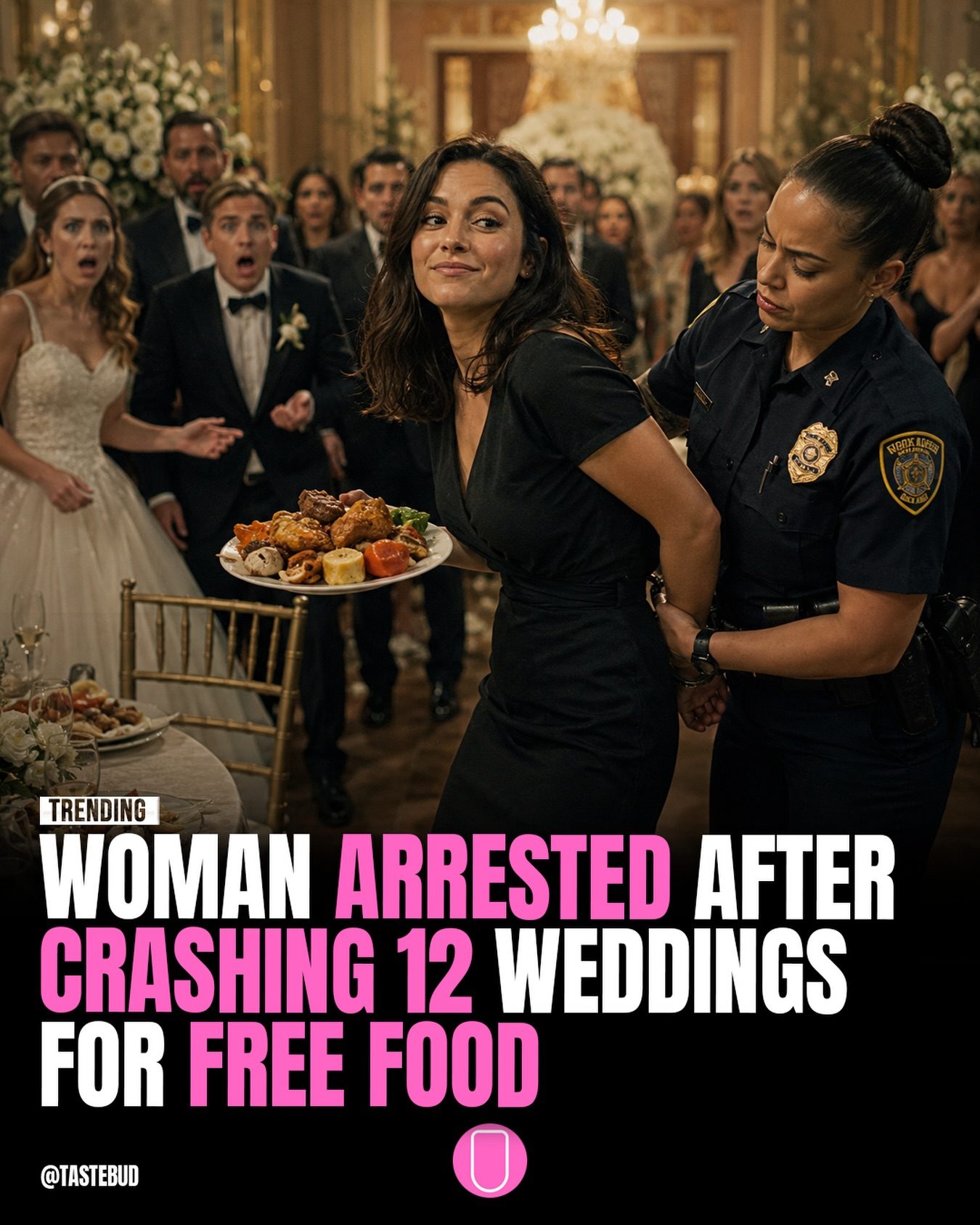
Wedding Crashing in Florida: What Happened?
Wedding crashing is a peculiar phenomenon, and a recent incident in Florida has brought it into sharp focus. A woman was arrested after allegedly crashing 12 weddings over several months. The primary motive? Free food.
Context / Why This Matters
Wedding crashing can seem like a harmless act, often portrayed in movies as a thrilling adventure. However, the reality is far more complex. It involves invoking privacy and security issues, potential legal consequences, and the ethical implications of intruding on someone else's special day. This latest incident highlights the extent to which some individuals might go to secure a free meal and the legal ramifications that can follow.
Main Discussion
The Details of the Incident
The woman in question allegedly spent months sneaking into weddings by posing as a distant guest. She would rotate outfits, blend into different groups, and quietly enjoy the full experience, from dinner to dessert. Her method was meticulous. She ensured that she didn't miss a single course, always clapping during the vows and never skipping the cake.
The Unraveling
The scheme finally unraveled after a photographer noticed her appearing in completely unrelated wedding albums. When confronted, she reportedly defended herself by saying she always clapped during the vows and never skipped the cake. This defense, while highlighting her commitment to the act, did little to mitigate the seriousness of her actions.
The Legal Consequences
The woman was arrested after crashing 12 weddings. This incident underscores the legal risks associated with wedding crashing. In many jurisdictions, uninvited guests can face charges of trespassing, theft, or even fraud, depending on the circumstances. The legal implications can be severe, including fines and imprisonment.
The Social Impact
Wedding crashing can have a significant social impact. It invades the privacy of the wedding couple and their guests, creates an atmosphere of mistrust, and can even disrupt the event's proceedings. The emotional toll on the couple and their guests can be considerable, turning what should be a joyous occasion into a stressful and unpleasant experience.
Practical Tips
If you find yourself in a situation where you suspect someone is wedding crashing, here are some practical tips to handle the situation:
-
Stay Calm and Observe: Keep an eye on the suspect and observe their behavior. Take note of any inconsistencies in their actions or interactions with other guests.
-
Inquire Discreetly: Approach the individual and ask them about their relationship to the couple. Be polite but firm in your questioning.
-
Notify Security or Hosts: If you are at a venue with security, inform them about your suspicions. Similarly, notify the wedding hosts or any other authority figures at the event.
-
Document Evidence: If possible, take discreet photos or videos of the individual. This can be useful if you need to provide evidence to the authorities.
Important Takeaways
Wedding crashing is not a victimless act. It can have serious legal, social, and emotional consequences. Here are the key takeaways:
- Legal Risks: Wedding crashing can lead to legal action, including charges of trespassing, theft, or fraud.
- Social Impact: It invades the privacy of the couple and guests, creating an atmosphere of mistrust and potentially disrupting the event.
- Etiquette and Respect: It's important to respect the boundaries and privacy of others, especially during significant life events.
Conclusion
The incident of a Florida woman being arrested after crashing 12 weddings for free food serves as a stark reminder of the risks and consequences associated with this act. Whether motivated by curiosity, thrill-seeking, or the lure of a free meal, wedding crashing is a serious offense with real-world repercussions. It's essential to appreciate and respect the boundaries and privacy of others, particularly during moments as special as a wedding.
Watch the Reel
Questions readers ask
What legal consequences can wedding crashers face in Florida?
In Florida, wedding crashers can face charges such as trespassing or even more serious offenses like theft, depending on the circumstances. The woman arrested for crashing 12 weddings may face multiple charges, highlighting the legal risks involved in this activity.
How can couples protect their wedding from crashers?
Couples can implement several security measures to prevent wedding crashers. These include inviting guests with names, limiting the amount of free food and drink, monitoring guests, and enforcing an invitation-only policy. Wedding planners and security personnel can also be employed to assist in managing the guest list and preventing unwanted visitors.
What are the ethical implications of wedding crashing?
Wedding crashing is not only legally risky but also ethically questionable. It invades the privacy and special moments of the couple and their guests, potentially ruining their experience. Additionally, it can cause security concerns and disrupt the event's flow, leading to unnecessary stress and inconvenience.
How did this Florida incident come to light?
The Florida wedding crashing incident gained public attention due to the sheer number of weddings infiltrated and the brazen motive of securing free food. The repeated nature of the crimes and the woman's arrests made it a notable case in local and national news, sparking discussions on the legal and ethical aspects of wedding crashing.
Is wedding crashing a common occurrence?
While not an everyday occurrence, wedding crashing does happen occasionally. The frequency is difficult to determine due to the lack of reporting. However, incidents like the one in Florida highlight that it can lead to serious consequences, and measures should be taken to prevent it.
What are the signs of a wedding crasher?
Signs of a wedding crasher can include individuals arriving without an invitation or lacking a specific invite with the guest's name, appearing uncomfortable or vague when asked about their connection to the couple, and showing unusual interest in the food and beverage stations. Guests should be vigilant and report any suspicions to the wedding party or security personnel.
Related deep dives
Similar reads based on topic and creator.




Recent articles
Fresh deep dives from the latest Reels we unpacked.




Comments
Be the first to comment.