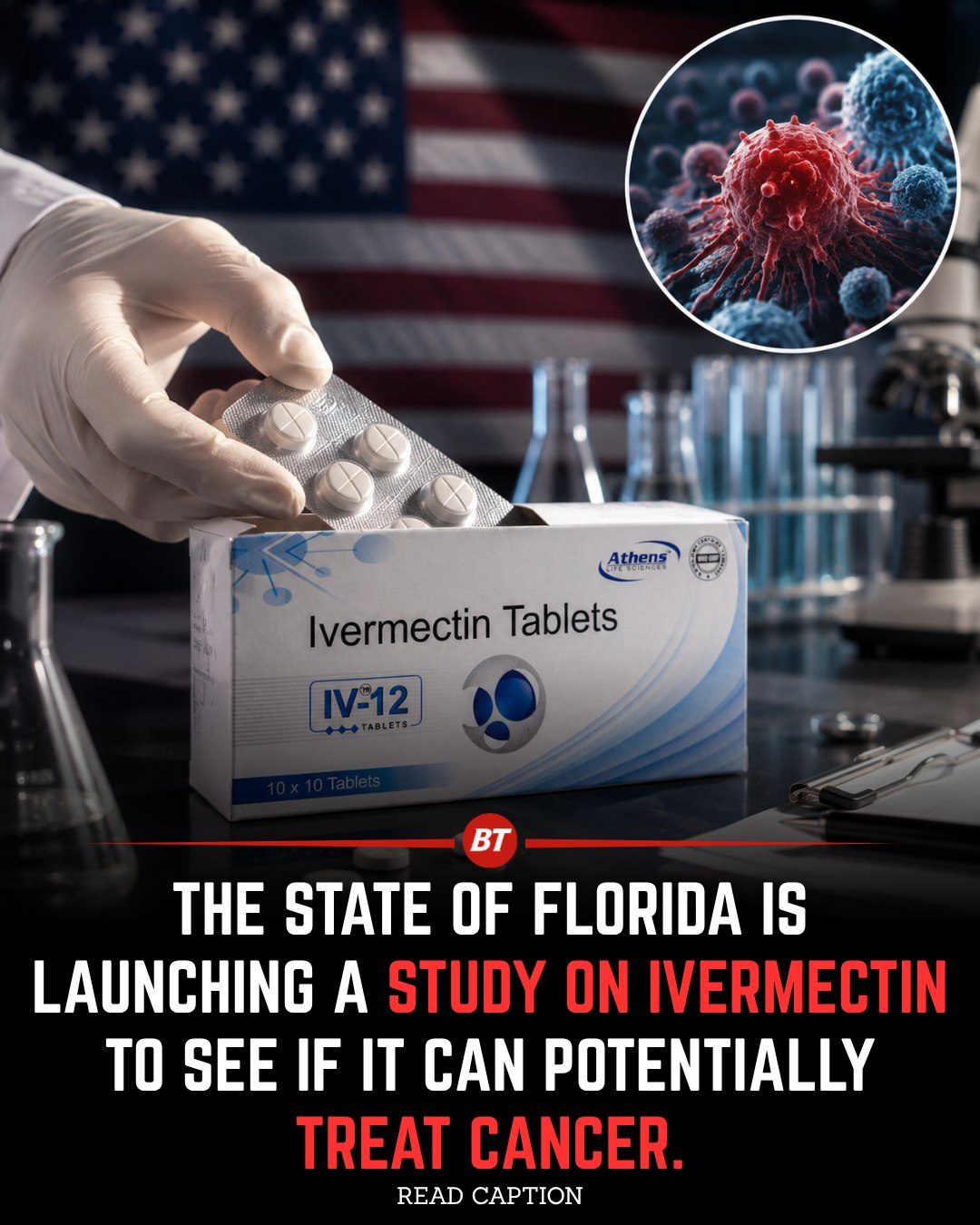
Florida's Initiative to Explore Ivermectin's Potential in Cancer Treatment
Florida is funding significant research to investigate whether ivermectin, a drug primarily used to treat parasitic infections, could have a role in fighting cancer. This initiative builds on years of scientific observations indicating that ivermectin can slow the growth of certain cancer cells in laboratory experiments. Researchers have noted effects on multiple biological pathways involved in tumor growth, including cell division, programmed cell death (apoptosis), inflammation, and the immune response.
Why This Matters
The Florida Cancer Innovation Fund is spearheading this research, focusing on repurposing generic medications, including ivermectin, as potential cancer therapies. The state’s goal is to understand the science behind these studies rather than relying on speculation. This is crucial because while many compounds show anticancer activity in laboratory settings, only a small percentage ultimately prove safe and effective in human clinical trials.
Understanding Ivermectin and Cancer
The Science Behind Ivermectin
Ivermectin, a widely used drug, has been known for its effectiveness in treating parasitic infections. Its mechanism involves interfering with the function of glutamate-gated chloride ion channels, leading to paralysis and death of parasites. However, recent studies have uncovered its potential beyond parasitic infections. Researchers have observed that ivermectin can affect multiple biological pathways involved in cancer cell growth.
Key Biological Pathways Affect
- Cell Division: Ivermectin can interfere with the cell cycle, preventing cancer cells from dividing rapidly.
- Programmed Cell Death (Apoptosis): It can induce apoptosis, a process by which cells self-destruct, which is a crucial mechanism in cancer treatment.
- Inflammation: Ivermectin has anti-inflammatory properties that can help mitigate the inflammatory response often associated with tumor growth.
- Immune Response: The drug can modulate the immune system, making it more effective in recognizing and eliminating cancer cells.
Laboratory vs. Clinical Trials
While laboratory experiments and animal studies provide valuable insights, they do not always translate directly to human clinical trials. Many compounds show promising anticancer activity in lab settings, but only a fraction prove safe and effective in human trials. This underscores the importance of carefully designed clinical studies before any drug can be considered for standard cancer care.
The Florida Initiative
State-Sponsored Research
Florida's initiative is part of a broader effort to repurpose existing drugs for new medical applications. The Cancer Innovation Fund will support research into repurposed generic medications, including ivermectin, to determine their potential benefits for cancer patients. At this stage, ivermectin is not approved for cancer treatment, and medical experts emphasize that patients should not replace proven cancer treatments with ivermectin outside of properly conducted clinical trials.
Goals and Expectations
- Determine Efficacy: The primary goal is to see if ivermectin can offer clinical benefits for cancer patients. This involves conducting rigorous, controlled studies to assess the drug’s effectiveness and safety.
- Investigate Safety: Understanding the potential side effects and interactions of ivermectin in cancer treatment is crucial. This will help in determining whether the drug can be safely administered to cancer patients.
- Repurpose Existing Drugs: The initiative aims to repurpose existing, inexpensive drugs for new medical applications, potentially reducing the cost and time involved in developing new cancer treatments.
Practical Tips for Cancer Patients and the Public
Stay Informed
- Follow Reliable Sources: Stay updated with the latest research and findings from reliable sources, including official announcements from the Florida Cancer Innovation Fund and peer-reviewed scientific journals.
- Consult Healthcare Providers: Always consult with healthcare providers before making any changes to your treatment plan. They can provide personalized advice based on your medical history and current treatments.
Participate in Research
- Clinical Trials: If eligible, consider participating in clinical trials. These studies are essential for advancing medical knowledge and developing new treatments.
- Support Research: Support initiatives that fund research into repurposing existing drugs. This can help accelerate the discovery of new and more effective treatments.
Important Takeaways
Current Limitations
Ivermectin is not currently approved for cancer treatment, and its potential benefits are still under investigation. Patients should avoid replacing proven cancer treatments with ivermectin without medical supervision.
Future Potential
The ongoing research in Florida could uncover new therapeutic options for cancer patients. If successful, this research could lead to the repurposing of ivermectin for cancer treatment, providing a new, cost-effective option for patients.
Importance of Science
The initiative highlights the importance of science in moving cancer care forward. By conducting rigorous, controlled studies, researchers can determine the real clinical benefits of potential treatments, ensuring that patients receive safe and effective care.
Conclusion
Florida’s initiative to explore ivermectin’s potential in cancer treatment is a significant step in the medical community’s ongoing effort to find new and effective treatments. While the research is in its early stages, the findings could have far-reaching implications for cancer patients. As the studies progress, it is crucial for patients to stay informed and consult with healthcare providers to ensure they receive the best possible care. This initiative underscores the importance of scientific research in advancing medical knowledge and improving patient outcomes.
Watch the Reel
Related deep dives
Similar reads based on topic and creator.




Recent articles
Fresh deep dives from the latest Reels we unpacked.




Comments
Be the first to comment.