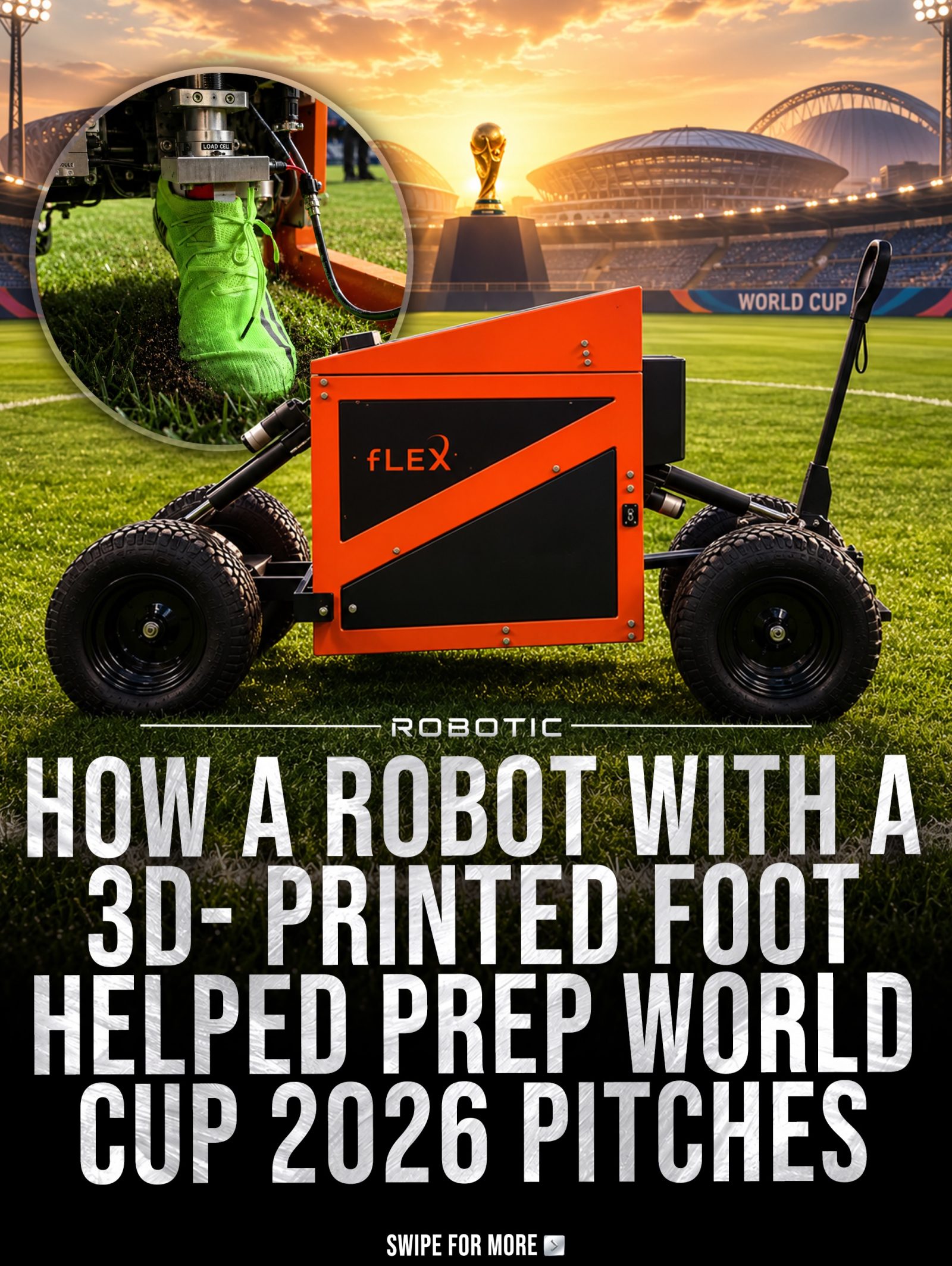
Robotic Pitch Preparation for the 2026 FIFA World Cup
The 2026 FIFA World Cup is set to be a landmark event, and one of the key factors in ensuring its success is the quality of the playing surfaces. To achieve this, a specialized robotic turf maintenance device, developed by FLEX Robotics, has been deployed to prepare the pitches. This robotic device, equipped with a 3D-printed foot, is designed to simulate the interaction between a player's boot and the turf, providing valuable data to improve pitch performance and player safety.
Why This Matters
Pitch maintenance is a critical aspect of any football tournament. The quality of the playing surface can significantly impact player performance and safety. Traditional methods of pitch testing often involve human players, which can be inconsistent and potentially damaging to the turf. The FLEX Robotics device offers a more precise and reliable solution, ensuring that every stadium meets the highest standards.
Main Discussion
The FLEX Robotics Device
The FLEX Robotics device is a state-of-the-art tool designed specifically for pitch maintenance. It uses a 3D-printed foot that mimics a real football boot, allowing it to simulate the impact of a player's movements on the turf. This foot is fitted with high-precision sensors that capture data on every impact, providing a detailed analysis of the pitch's condition.
How It Works
The robot operates by striking the turf in 77 different test zones, simulating the movements of a 165-pound player. This process takes approximately 40 minutes, during which the sensors record the forces exerted between the boot and the grass. The data collected helps turf managers identify weak areas and ensure consistent pitch quality across all 16 World Cup stadiums.
The Role of High-Precision Sensors
The high-precision sensors are integral to the FLEX Robotics device. They capture detailed data on the impact between the 3D-printed foot and the turf, providing insights into the pitch's performance and safety. This data allows turf managers to make informed decisions about pitch maintenance, ensuring that the playing surface remains consistent and safe for players.
Preparing for the 2026 World Cup
The FLEX Robotics device has been instrumental in preparing the pitches for the 2026 World Cup. By testing all 16 stadiums, the robot has provided valuable data to turf managers, helping them identify and address any weaknesses in the playing surfaces. This ensures that the pitches are in optimal condition for the tournament, providing a safe and consistent playing environment for the athletes.
Practical Tips
For those involved in pitch maintenance, the FLEX Robotics device offers several practical benefits. Here are some tips on how to make the most of this innovative technology:
-
Consistent Testing: Regularly use the FLEX Robotics device to test different areas of the pitch. This will help identify any inconsistencies in the turf's performance and ensure that the playing surface remains safe and consistent.
-
Data Analysis: Pay close attention to the data collected by the high-precision sensors. This information can provide valuable insights into the pitch's condition and help you make informed decisions about maintenance and repairs.
-
Timely Maintenance: Use the data to schedule timely maintenance and repairs. By addressing any issues promptly, you can ensure that the pitch remains in optimal condition for players.
-
Player Safety: Always prioritize player safety. The FLEX Robotics device can help identify potential hazards on the pitch, allowing you to take proactive measures to prevent injuries.
Important Takeaways
- The FLEX Robotics device is a cutting-edge tool for pitch maintenance, using a 3D-printed foot and high-precision sensors to simulate player movements and collect data on turf performance.
- The device has been crucial in preparing the pitches for the 2026 FIFA World Cup, providing valuable data to turf managers and ensuring consistent pitch quality across all stadiums.
- Regular testing, data analysis, timely maintenance, and prioritizing player safety are key to making the most of this innovative technology.
Conclusion
The FLEX Robotics device represents a significant advancement in pitch maintenance technology. By using a 3D-printed foot and high-precision sensors, it provides a precise and reliable method for testing and improving playing surfaces. This technology has been instrumental in preparing the pitches for the 2026 FIFA World Cup, ensuring that the tournament's playing surfaces meet the highest standards of performance and safety. As we look towards the future of football, innovative tools like the FLEX Robotics device will play a crucial role in maintaining the quality and consistency of playing surfaces, benefiting both players and fans alike.
Watch the Reel
Questions readers ask
How does the 3D-printed foot technology by FLEX Robotics benefit pitch maintenance for the 2026 World Cup?
The 3D-printed foot technology simulates player interactions with the turf, collecting precise data to enhance the pitch quality and ensure safety. This allows for consistent and reliable analysis of turf conditions, which is crucial for maintaining high standards across all stadiums.
What makes FLEX Robotics' approach different from traditional pitch testing methods?
Unlike traditional methods that often rely on human players for pitch testing, FLEX Robotics uses a robotic device. This approach provides consistent and reliable data without the variability that comes with human involvement, ensuring more accurate and unbiased turf analysis.
Why is precision pitch maintenance important for the 2026 World Cup?
Precision pitch maintenance is vital because the quality of the playing surface directly impacts player performance and safety. High standards ensure that the pitches are reliable and consistent, which is essential for a tournament of this magnitude.
How does the 3D-printed foot technology ensure player safety during the 2026 World Cup?
By simulating player interactions, the 3D-printed foot technology identifies potential hazards on the pitch, such as uneven surfaces or poorly maintained turf. This data-driven approach helps in addressing these issues proactively, reducing the risk of injuries and ensuring a safer playing environment.
What role do 3D-printed turf sensors play in the maintenance process?
3D-printed turf sensors provide real-time data on the condition of the pitch, allowing for precise adjustments and timely maintenance. This technology enhances the overall quality of the playing surface, ensuring it meets the high standards required for the World Cup.
Recent articles
Fresh deep dives from the latest Reels we unpacked.




Comments
Be the first to comment.