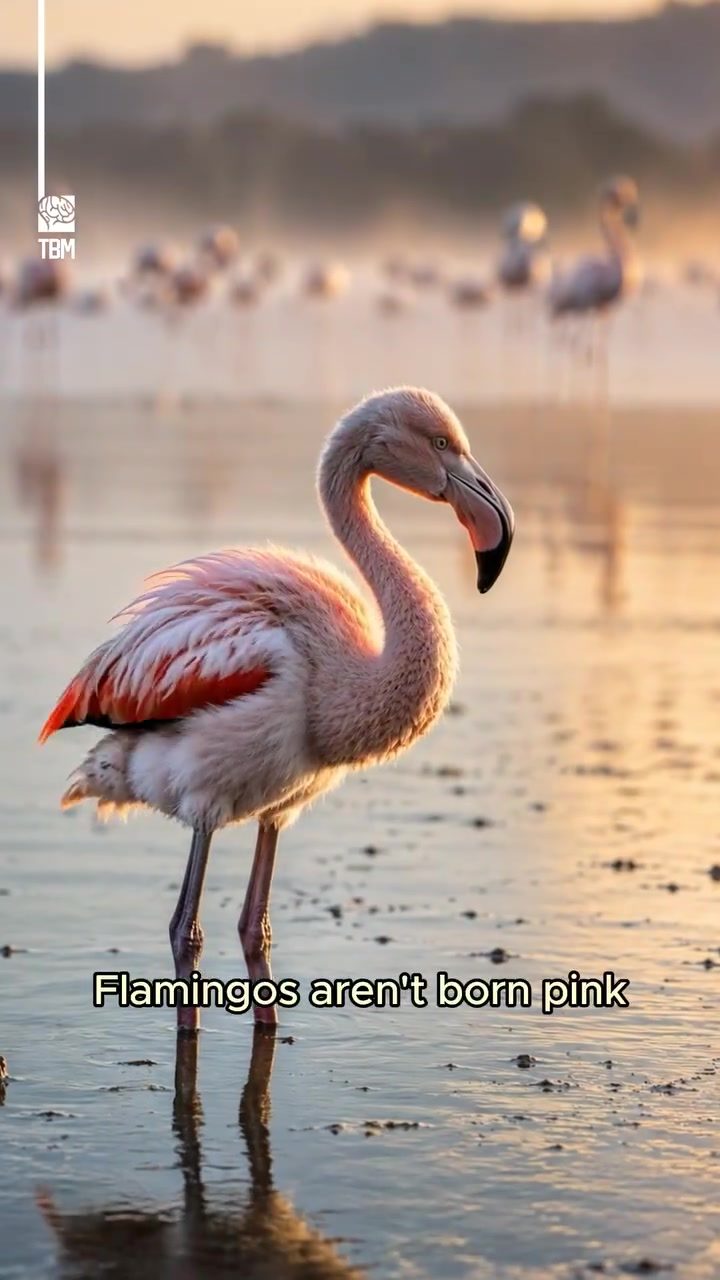
Flamingo Coloration
Flamingos are renowned for their vibrant pink feathers, but this iconic color isn’t something they are born with. The process of how flamingos develop their distinct hue is a fascinating interplay of diet and biology.
Why This Matters
Understanding the science behind flamingo coloration isn’t just about appreciating their beauty. It also sheds light on how certain pigments affect avian physiology and provides insights into the role of diet in animal appearance. This knowledge can be crucial for conservation efforts and managing habitats that support these birds.
The Role of Diet
Carotenoids and Feathers
Flamingos aren’t born with their famous pink feathers. When they hatch, their feathers are actually white or gray. The vibrant color develops over time, primarily due to their diet. In the wild, flamingos feed on a variety of tiny aquatic organisms, including algae and shrimp. These organisms contain natural pigments known as carotenoids. Carotenoids are the same pigments that give carrots their orange color and make some fruits and vegetables appear red or yellow.
As flamingos digest these foods, their bodies break down the carotenoids. The pigments are then deposited into their feathers, skin, and beaks. Over time, this gradual process transforms their pale feathers into shades of pink, orange, or even bright red. The exact shade depends on several factors, including the species, age, and overall health of the flamingo, as well as the availability of carotenoid-rich food.
Diet and Health
Young flamingos may take several years to reach their full coloration. Their diet plays a critical role in this process. Without sufficient carotenoids, flamingos would remain mostly white. This dietary dependence on carotenoids is a reminder of how closely linked an animal’s appearance can be to its diet.
Factors Affecting Color
Several factors influence the intensity and shade of a flamingo’s pink feathers. The amount and type of carotenoids in their diet are crucial. Additionally, the species of the flamingo and its overall health can affect its color. For example, Chilean flamingos are often paler than greater flamingos because Chilean flamingos have less of the pigment in their diet. This variation highlights the importance of environmental and dietary factors in determining a flamingo’s color.
The Pigment Process
The pink color of a flamingo comes entirely from the pigments stored in its body. As these pigments accumulate, they are distributed through the bird’s system. The deposition process starts in the liver and eventually reaches the feathers, skin, and beak, giving the flamingo its characteristic hue.
Practical Tips
Anyone interested in observing flamingos or even keeping them in a controlled environment, like a zoo or wildlife sanctuary, can support their health by ensuring they have access to a diet rich in carotenoids. This includes foods like algae and shrimp, which are naturally high in these pigments.
Careful Observation
For those who care for flamingos in captivity, monitoring their diet and the color of their feathers is a good way to gauge their health. Pale feathers can indicate a lack of necessary pigments in their diet. Additionally, ensuring that their environment contains enough of the appropriate food sources can help maintain the flamingo’s vibrant color.
Important Takeaways
Several key insights emerge from understanding the science behind flamingo coloration:
- Flamingos are not born with their pink feathers. The color develops over time due to their diet.
- Carotenoids, natural pigments found in algae and shrimp, are responsible for the vibrant pink color.
- The exact shade of pink can depend on the species, age, health, and the availability of carotenoid-rich food.
- Monitoring the color of a flamingo’s feathers can serve as a health indicator, reflecting the quality of its diet and overall well-being.
Conclusion
The vibrant pink feathers of flamingos are not just a visual treat but a testament to the intricate processes that occur within their bodies. By understanding the role of diet and the specific pigments involved, we gain a deeper appreciation for these birds and the natural world. This knowledge can also aid in conservation efforts and the care of these magnificent creatures, ensuring they thrive in both natural and controlled environments.
Watch the Reel
Questions readers ask
What causes the vibrant pink color in flamingo feathers?
The pink color in flamingo feathers is primarily due to their diet, which is rich in carotenoids. These pigments are found in algae and shrimp, which flamingos consume in large quantities, and are responsible for the gradual development of their distinctive hue.
Are flamingos born with pink feathers?
No, flamingos are not born with pink feathers. When they hatch, their feathers are typically white or gray. The vibrant pink color develops over time as they consume a diet high in carotenoids.
Why do flamingos need carotenoids?
Carotenoids serve a dual purpose for flamingos. Besides enhancing their appearance, these pigments play a crucial role in signaling their health to potential mates and rivals. Flamingos with brighter, more vibrant feathers are generally healthier, which can be an indicator of good breeding potential
Can flamingos' diet affect the vibrancy of their feathers?
Yes, the vibrancy of a flamingo's feathers can significantly change based on their diet. If their food intake is low in carotenoids, the feathers will appear pale or even white. Conversely, a diet rich in carotenoids will result in more vibrant and intense pink feathers.
How is flamingo coloration relevant to their health?
The coloration of flamingo feathers is a crucial indicator of their overall health. Brighter, more vibrant feathers suggest a healthy flamingo diet and good well-being, while paler or less vibrant feathers may indicate dietary deficiencies or other health issues.
Do different types of algae and shrimp affect flamingo color differently?
While different species of algae and shrimp may contain varying levels of carotenoids, the key factor for flamingos is the overall intake of these pigments. The specific types of algae and shrimp are less influential than the total amount of carotenoids consumed.
How long does it take for a flamingo's feathers to turn pink?
The transformation of a flamingo's feathers from white or gray to vibrant pink is gradual and can take several years. The process is continuous and depends on the consistent intake of carotenoids through their diet, as well as the natural molting cycle of the feathers.
Recent articles
Fresh deep dives from the latest Reels we unpacked.




Comments
Be the first to comment.