Ebola Outbreak: A Global Concern
The recent Ebola outbreak, particularly the confirmed case in France, has brought global attention to the ongoing health crisis in the Democratic Republic of Congo (DRC). This outbreak, while primarily focused in Africa, has now spread to Europe, highlighting the importance of vigilant health monitoring and rapid response measures.
Why this matters
Understanding the Ebola outbreak and its implications is crucial for several reasons. It underscores the need for robust global health surveillance, the importance of international cooperation in health crises, and the effectiveness of containment measures. The outbreak also serves as a reminder of the risks faced by humanitarian workers and the need for protective measures for those on the front lines.
Main discussion
The Spread of the Disease
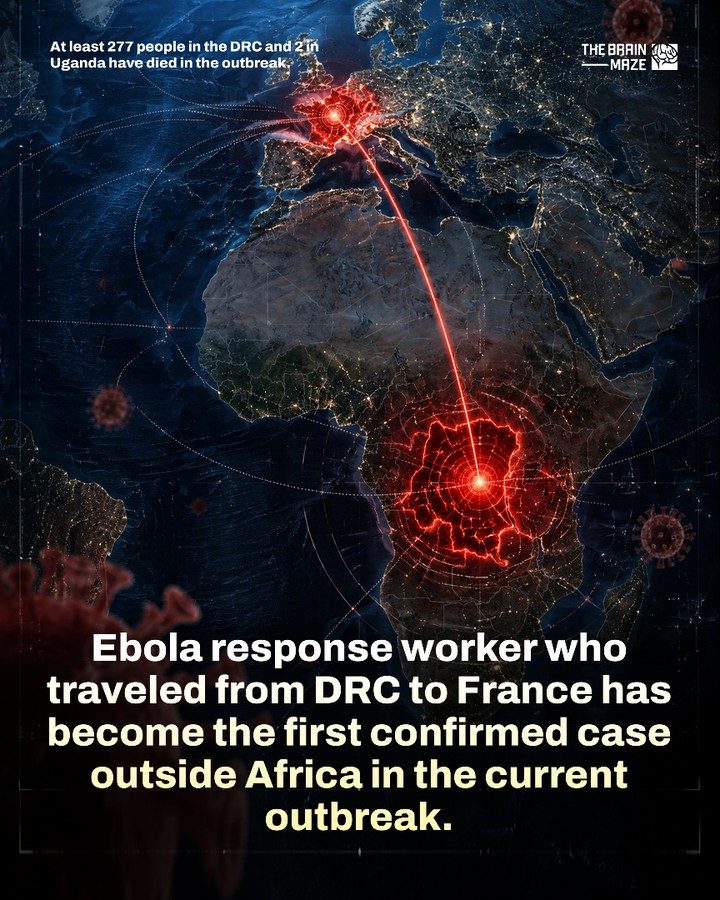
The Ebola outbreak, primarily concentrated in the DRC, has now reached beyond Africa's borders. A humanitarian worker traveling from the DRC to France became the first confirmed case outside of Africa in this current outbreak. This development highlights the ease with which infectious diseases can travel across continents, underscoring the importance of stringent health checks and quarantine measures for travelers.
The outbreak has also affected Uganda, with at least 277 people in the DRC and 2 in Uganda having died. These numbers reflect the severity of the outbreak and the challenges faced by health authorities in containing the virus.
Global Response and Containment
The World Health Organization (WHO) has stated that the global risk remains low despite the case in France. This assessment is based on the fact that the patient is in stable condition and isolated, and authorities are actively tracing contacts to prevent further spread. The rapid response and containment measures implemented in France serve as a model for how other countries can handle similar situations.
The Role of Humanitarian Workers
Humanitarian workers play a crucial role in responding to health crises, but they also face significant risks. The case in France highlights the dangers to those on the front lines of epidemics. It is essential to ensure that these workers are well-protected and have access to the necessary medical resources. This includes personal protective equipment (PPE), regular health check-ups, and immediate medical attention if they exhibit symptoms.
Public Health Measures
Public health measures are critical in containing the spread of Ebola. These measures include surveillance, contact tracing, and isolation of infected individuals. In the DRC, health authorities have been working tirelessly to implement these measures, but the challenge is immense given the resource constraints and the vast affected areas.
Practical tips
For Travelers
If you are traveling to or from affected regions, it is crucial to be aware of the risks and take necessary precautions. This includes:
- Stay Informed: Keep updated on the latest travel advisories and health alerts from reliable sources.
- Health Checks: Undergo health checks and follow quarantine guidelines if required.
- Hygiene: Maintain good hygiene practices, such as regular handwashing and avoiding contact with sick individuals.
For Health Workers
Health workers, especially those in affected regions, should:
- Use PPE: Always use personal protective equipment when dealing with patients.
- Isolate Patients: Ensure that infected individuals are isolated to prevent further spread.
- Stay Vigilant: Be vigilant for symptoms and report any suspicious cases immediately.
Important takeaways
- Global Risk: While the global risk remains low, vigilance is crucial.
- Containment Measures: Rapid response and containment measures are effective in preventing the spread.
- Humanitarian Workers: Protecting those on the front lines is essential to maintain the health response.
- Public Health Measures: Surveillance, contact tracing, and isolation are key components of containing the outbreak.
Conclusion
The Ebola outbreak, with its recent spread to France, serves as a stark reminder of the global nature of health crises. It underscores the importance of international cooperation, robust health surveillance, and effective containment measures. By understanding the spread of the disease, the role of humanitarian workers, and the practical steps individuals and authorities can take, we can better prepare for and respond to such challenges.
Watch the Reel
Questions readers ask
What are the implications of the first Ebola case in Europe, specifically in France?
The confirmation of the first Ebola case in France signifies that the virus has spread beyond its primary outbreak areas in Africa. This development emphasizes the importance of global health surveillance and rapid response measures to prevent further spread. It also highlights the need for international cooperation in managing health crises.
How was the Ebola virus able to reach Europe?
The Ebola virus reached Europe through a traveler returning from an affected region, specifically from the Democratic Republic of Congo (DRC). This underscores the need for strict health monitoring at borders and airports to detect and isolate potential cases.
What measures are being taken to prevent the spread of Ebola in Europe?
European health authorities are implementing strict health monitoring and quarantine measures. This includes screening travelers from affected regions, isolating confirmed cases, and tracing contacts to prevent further transmission. International organizations like the WHO are also providing guidance and support.
What are the risks for healthcare workers and humanitarian aid workers in light of this outbreak?
Healthcare and humanitarian aid workers are at high risk of contracting Ebola due to their close contact with infected individuals. Strict adherence to protective measures, such as wearing personal protective equipment (PPE) and following proper hygiene protocols, is crucial to minimize these risks.
What is the current status of the Ebola outbreak in 2023?
As of 2023, the Ebola outbreak is ongoing, with the Democratic Republic of Congo being the primary affected region. The confirmation of a case in France marks a significant development, indicating that the virus has spread beyond Africa. Regular updates from the WHO and local health authorities provide the latest information on the outbreak's status and global spread.
How can the public stay informed about the Ebola outbreak and global spread?
The public can stay informed by following updates from reliable sources such as the World Health Organization (WHO) and local health authorities. Regularly checking these sources for the latest news, travel advisories, and safety guidelines is essential for understanding the current situation and taking appropriate precautions.
Related deep dives
Similar reads based on topic and creator.




Recent articles
Fresh deep dives from the latest Reels we unpacked.




Comments
Be the first to comment.